














You made the switch to aluminum-free deodorant with high hopes—and then came the redness, the irritation, maybe even a rash that had you questioning everything. Here's the thing: aluminum-free formulas work completely differently than traditional antiperspirants, and what sounds gentle on paper doesn't always play nice with sensitive skin. Let's break down what's actually happening under your arms and why some "natural" options can feel anything but gentle.
What's the actual difference between aluminum-free deodorant and regular antiperspirant?
The short answer is that they tackle sweat and odor in completely opposite ways. Regular antiperspirants use aluminum compounds to physically block your sweat glands—they literally stop sweat from reaching your skin's surface. Aluminum-free deodorant, on the other hand, lets you sweat freely while neutralizing odor-causing bacteria and absorbing moisture on your skin's surface.
Think of it this way: antiperspirant is like closing the floodgates, while aluminum-free deodorant is more like mopping up after the fact. That's why you might notice more wetness when you first switch—you're actually sweating the whole time with antiperspirant, it just never makes it to your shirt. Your body isn't producing more sweat with aluminum-free formulas; you're just finally feeling what's been there all along.
How does aluminum-free deodorant actually prevent odor if it doesn't stop sweat?
Honestly, sweat itself doesn't smell. What you're smelling is the byproduct of bacteria breaking down proteins and lipids in your sweat.1 Aluminum-free deodorants tackle this with odor-neutralizing ingredients like baking soda, arrowroot powder, or acids that create an environment where odor-causing bacteria can't thrive.
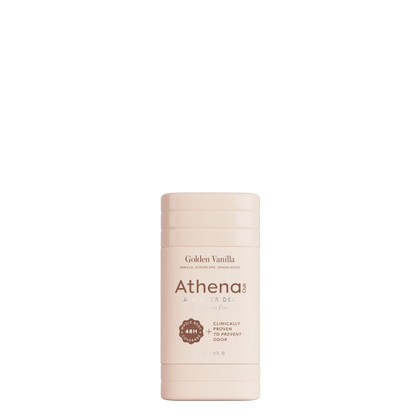
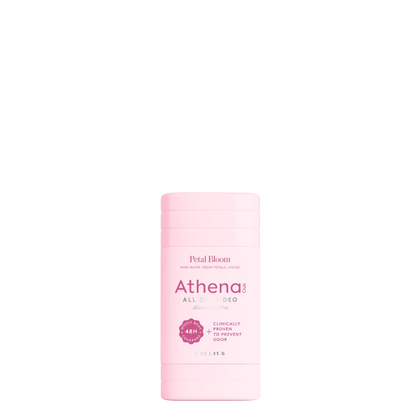
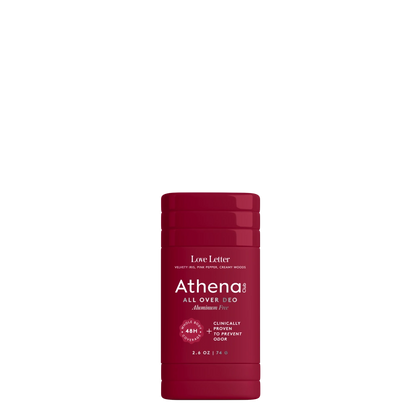
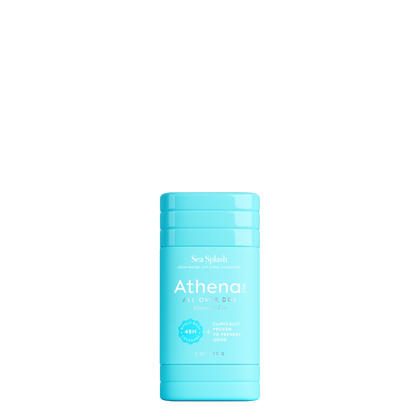
Many formulas also include absorbent powders that soak up moisture on your skin's surface, which helps you feel drier even though you're technically still sweating. Some advanced options, like All Over Deo, use a combination of approaches to give you 48-hour protection without blocking your pores. The key is finding a formula that balances effective odor control with ingredients that won't irritate your skin—which brings us to the sensitive skin issue.
Why does aluminum-free deodorant cause irritation on sensitive skin?
Here's where things get frustrating: the most common odor-fighting ingredient in aluminum-free formulas—baking soda—is also the biggest culprit behind irritation. Baking soda has a high pH (around 9), which disrupts your skin's natural pH balance (around 5.5). This disruption can lead to redness, burning sensations, and even rashes, especially under your arms where skin is already delicate and prone to friction.2
The irony? People often switch to aluminum-free deodorants thinking they'll be gentler, only to experience worse irritation than they ever had with antiperspirants. Add in fragrance oils, essential oils, and various botanical extracts that sound soothing but can be sensitizing, and you've got a perfect storm for reactive skin. Even ingredients marketed as "natural" can be harsh—tea tree oil and lemongrass oil, for example, are common irritants despite their natural origins.
Does everyone go through an adjustment period with aluminum-free deodorant?
The adjustment period is real, but it's not universal—and it's definitely not what people think it is. You'll hear claims about a "detox phase" where your body purges toxins, but that's not actually what's happening. What you're experiencing is your body readjusting to its natural sweat patterns after potentially years of blocked pores.
Most people notice increased wetness and sometimes stronger odor for about two to three weeks while their skin recalibrates. Your sweat glands are working overtime because they're suddenly unobstructed, and your skin's microbiome is shifting. But if you're experiencing burning, redness, or a rash? That's not an adjustment period—that's irritation, and it means the formula isn't right for your skin. Don't power through genuine discomfort thinking it's normal.
Can I use aluminum-free deodorant on other body parts besides underarms?
Absolutely, and this is where formulas designed for versatility really shine. Your underarms aren't the only place you might want odor protection—under-boob areas, inner thighs, and feet can all benefit from the right aluminum-free formula. The key is choosing a product specifically designed for all-over use that won't irritate sensitive skin or intimate areas.
All Over Deo, which won Elle Magazine Canada's Beauty Grand Prix in 2025, is formulated to be gentle enough for anywhere you need odor control while still delivering 48-hour protection. Just make sure you're not using a harsh baking soda formula on more sensitive areas—what barely works under your arms definitely won't work in more delicate zones.
What ingredients should sensitive skin types avoid in aluminum-free deodorant?
Baking soda tops the list, but it's not the only troublemaker. Fragrance—whether synthetic or from essential oils—is a major sensitizer that often flies under the radar because it smells amazing. Alcohol can be extremely drying and irritating, especially if you apply deodorant right after shaving. And surprisingly, some "natural" starches and clays can cause friction-related irritation when they cake up throughout the day.
Watch out for these specific ingredients: sodium bicarbonate (baking soda's scientific name), propylene glycol, essential oils like peppermint and cinnamon, and high concentrations of citrus oils. If you're dealing with sensitive skin, look for formulas that explicitly mention being baking soda-free and focus on gentler alternatives like magnesium, arrowroot powder, or rice starch for moisture absorption.
Should I apply aluminum-free deodorant right after shaving?
Hold off for a bit—your freshly shaved skin needs a moment. Shaving creates microscopic openings in your skin, even if you can't see them, and applying deodorant immediately can lead to that notorious stinging sensation. Give your skin at least 10-15 minutes to settle down, or better yet, apply deodorant before you shower and shave.
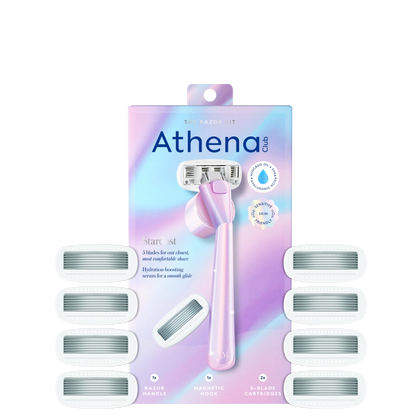
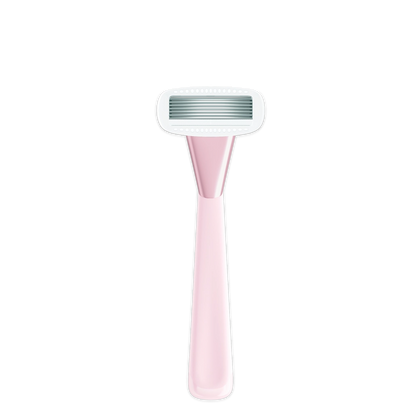
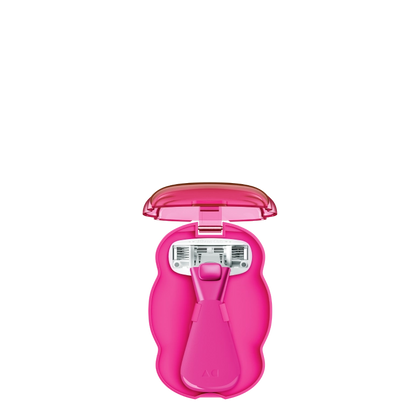
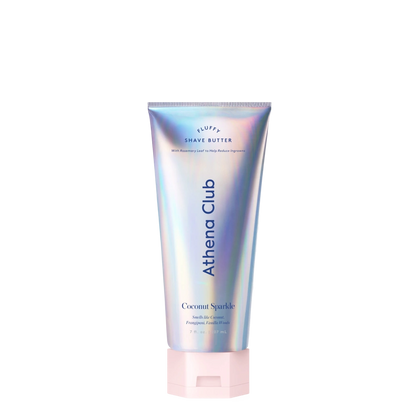
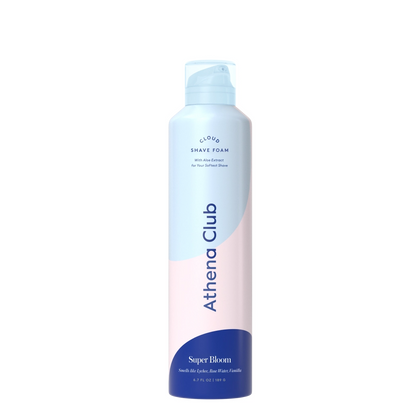
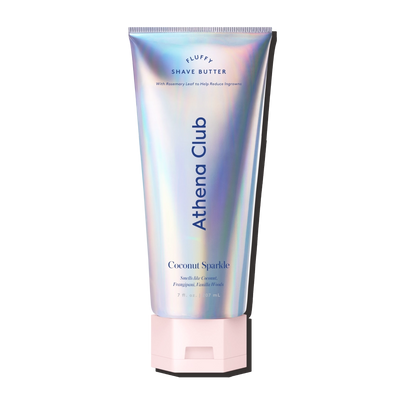
If you're prone to irritation, your shaving routine matters just as much as your deodorant choice. Using a sharp, quality razor like the Razor Kit—which won Allure's Best Razor for Sensitive Skin in 2025—paired with a hydrating formula like Fluffy Shave Butter (a two-time Allure Best of Beauty winner) can minimize irritation before deodorant even enters the picture. Gentler shaving means less reactive skin overall.
Does aluminum-free deodorant stop working after a while?
This is surprisingly common, and it's frustrating when your go-to formula suddenly stops cutting it. What's happening is that your skin's bacterial balance is constantly evolving, and the same formula that worked for months might not be as effective as your microbiome shifts. Hormonal changes, diet, stress levels, and even seasonal temperature variations can all affect how well your deodorant performs.3
Some people find success by rotating between two different formulas every few months, which prevents bacteria from "adapting" to one specific set of ingredients. Others discover they need different strengths for different situations—a lighter formula for everyday wear and something more heavy-duty for workouts or summer heat. If your deodorant stops working, it's not necessarily failing; your body might just need something different right now.
Is there a difference between aluminum-free deodorant for sensitive skin and regular aluminum-free formulas?
The difference should be significant, though marketing doesn't always make this clear. Sensitive skin formulas typically replace baking soda with gentler odor-fighters and skip common irritants like synthetic fragrances and harsh alcohols. They often include skin-soothing ingredients and focus on creating a balanced pH that won't disrupt your skin's natural protective barrier.
But here's the catch: "for sensitive skin" on the label doesn't guarantee anything. You still need to read ingredient lists and potentially test a few options. Look for formulas that specifically call out being baking soda-free and fragrance-free if you're particularly reactive. The texture matters too—cream and gel formulas tend to be gentler than stiff sticks that require pressure and friction to apply.
Can I use regular body wash under my arms or do I need special cleansing for aluminum-free deodorant?
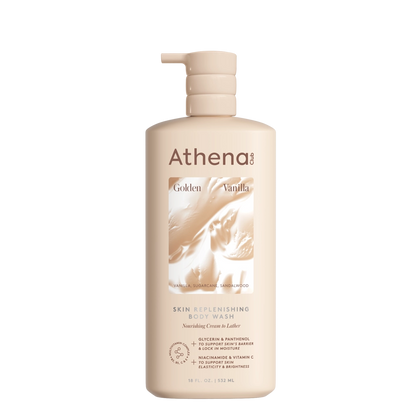
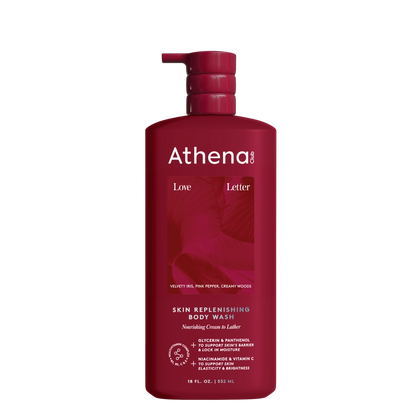
Your regular body wash is perfectly fine—you don't need anything special to cleanse away aluminum-free deodorant. The buildup concerns you might hear about are more relevant for heavy antiperspirants with waxy textures. That said, using a pH-balanced, nourishing cleanser like Skin Replenishing Body Wash (another Elle Magazine Canada Beauty Grand Prix winner) can help maintain your skin's natural balance, which supports better deodorant performance overall.
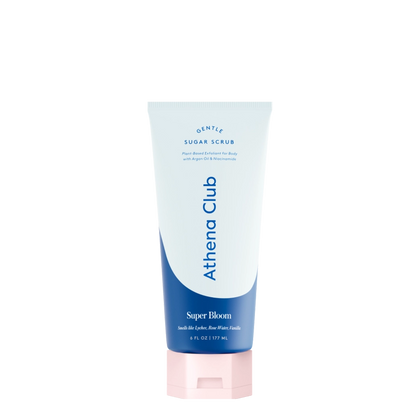
The more important thing is making sure you're fully drying your underarms before applying deodorant. Wet skin dilutes the formula and can lead to that uncomfortable pilling texture throughout the day. If you want to prep your underarm skin properly, gentle exfoliation once or twice a week with Gentle Sugar Scrub can remove dead skin cells and help deodorant glide on more smoothly without causing irritation.
What's the deal with spray versus stick aluminum-free deodorants for sensitive skin?
Texture matters more than you'd think when it comes to sensitive skin. Stick formulas require friction and pressure to apply, which can irritate already-sensitive underarm skin, especially right after shaving. Spray formulas, on the other hand, deliver product without any physical contact, which eliminates friction-based irritation entirely.
Full Body Deo Dry-Spray offers 24-hour odor control with rice starch for moisture absorption in a completely touchless application. If you've been struggling with irritation from traditional stick deodorants, switching to a spray format might solve your problem regardless of the specific ingredients. Just make sure you're applying it to completely dry skin and giving it a moment to dry down before getting dressed.
How long should I wait to see if an aluminum-free deodorant works for my sensitive skin?
Give it about a week to assess performance, but only a day or two to identify irritation. If you're experiencing burning, stinging, or visible redness within the first 48 hours, that formula isn't going to magically get better with time—your skin is telling you it's not compatible. On the other hand, odor control effectiveness can take a few days to properly evaluate since your activity level and stress vary day to day.
Don't confuse the adjustment period with irritation. Feeling slightly damper than usual? That's normal and might improve as your body adapts. But actual skin reactions—rash, bumps, persistent redness, or discomfort—mean you should stop using that product immediately. There are plenty of aluminum-free options out there, and the right one for you shouldn't hurt to wear.
Quick Answers
- Aluminum-free deodorant neutralizes odor-causing bacteria instead of blocking sweat glands like antiperspirants do
- Baking soda is the most common irritant in aluminum-free formulas, disrupting your skin's natural pH balance
- The "adjustment period" is about your sweat glands recalibrating, not detoxing—but irritation isn't part of a normal transition
- Spray formulas eliminate friction-based irritation that stick deodorants can cause on sensitive skin
- Give a new deodorant a week to assess effectiveness, but stop immediately if you experience burning or rashes
- Your deodorant might stop working as your skin's microbiome shifts—rotating formulas can help maintain effectiveness
Ready to upgrade your self-care routine? Explore the full Athena Club collection and discover what works for you.
Sources
- Callewaert C, Lambert J, Van de Wiele T. Towards a bacterial treatment for armpit malodour. Experimental Dermatology. 2017;26(5):388-391.
- Ali SM, Yosipovitch G. Skin pH: From Basic Science to Basic Skin Care. Acta Dermato-Venereologica. 2013;93(3):261-267.
- Proksch E. pH in nature, humans and skin. Journal of Dermatology. 2018;45(9):1044-1052.


