

























You know that feeling when you slip on your favorite shorts, only to notice dark patches on your inner thighs that weren't there before? If you've been wondering why this happens—especially after shaving—you're not alone. The friction from shaving can absolutely contribute to darkening, but the good news is it's totally fixable. Let's break down what's actually happening and how to get your skin back to feeling (and looking) its best.
Does shaving really cause dark inner thighs?
The short answer is: shaving itself doesn't directly darken your skin, but the friction and irritation from shaving definitely can. Here's the thing—when you shave, especially with a dull blade or without proper prep, you're creating micro-irritation on your skin's surface. Your body responds to that irritation by producing more melanin (your skin's pigment), which can lead to those darker patches over time.1 And since your inner thighs are already a high-friction zone where skin rubs together, shaving can amplify the issue. Add in tight clothing, sweat, and repeated irritation, and you've got the perfect storm for hyperpigmentation.
What's actually happening to my skin when I shave my inner thighs?
When you glide a razor over your inner thighs, you're not just removing hair—you're also removing the top layer of dead skin cells. Sounds good in theory, right? But without the right technique and products, this can trigger inflammation. Your skin sees this as minor trauma and kicks into defense mode, producing extra melanin to protect itself.2 Meanwhile, if you're using a razor with clogged or dull blades, you're dragging and pulling at the hair instead of cleanly cutting it, which creates even more friction. Compound this with the natural friction from your thighs rubbing together throughout the day, and that irritation becomes chronic. The result? Post-inflammatory hyperpigmentation that shows up as those darker areas.
How do I know if friction from shaving is causing the darkening?
Honestly, if you notice the darkening started or got worse after you began shaving that area, friction is likely a culprit. Look for other telltale signs: do you also experience razor burn, ingrown hairs, or that rough, bumpy texture right after shaving? These are all indicators that your shaving routine is causing irritation. The darkening typically appears in patches or strips along the inner thigh where the razor passes most frequently. If the skin feels slightly rough or thickened in those darker areas, that's another clue—it means your skin has been dealing with ongoing friction and is trying to protect itself by building up extra layers.
What can I do before shaving to prevent dark inner thighs?
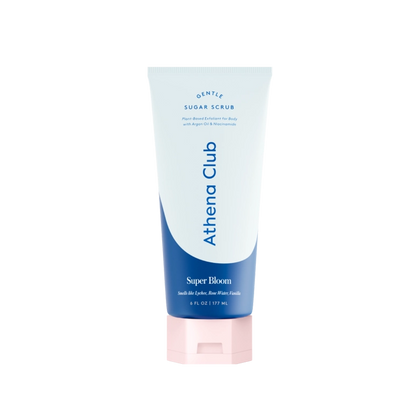
Prep is everything. Start by gently exfoliating the area a day or two before you shave using our Gentle Sugar Scrub. This removes dead skin cells and helps prevent ingrown hairs without over-irritating your skin. When it's time to shave, always—and I mean always—use warm water to soften the hair and open up your pores first. Never shave dry or with just water alone. Reach for a lubricating product like Glossy Shave Oil, which uses SKINCLOUD™ technology to create that smooth, just-glided-on feeling, or our two-time Allure Best of Beauty Award-winning Fluffy Shave Butter for a thick, creamy cushion between your razor and skin. Both create a protective barrier that minimizes friction.
Does the type of razor I use actually matter for preventing darkening?
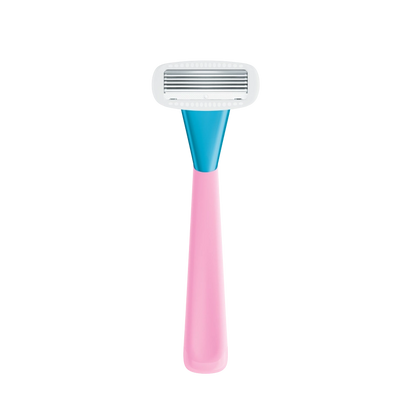
Absolutely. Using a quality razor makes a world of difference. A dull or cheap razor forces you to go over the same area multiple times, which multiplies friction and irritation. Our Razor Kit—recognized by Allure as the Best Razor for Sensitive Skin in 2025—features five spaced-out blades designed to follow your curves and a hyaluronic acid serum strip plus shea butter–enhanced blades that glide smoothly without tugging.3 Good Housekeeping found it delivers 89% single-pass shaving, meaning less repetition and less irritation. The premium aluminum handle with non-slip silicone coating also gives you better control, so you're not pressing too hard or making awkward, friction-causing movements.
What should I do immediately after shaving to protect my skin?
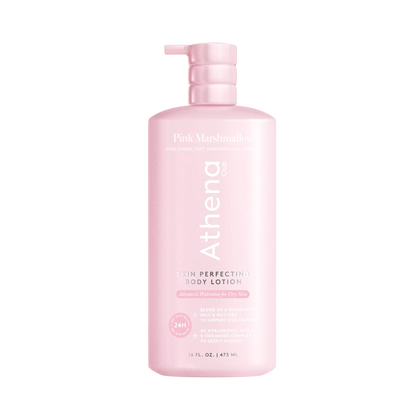
Post-shave care is just as important as prep. Rinse your inner thighs with cool water to close your pores and pat—don't rub—your skin dry with a soft towel. Follow up with a soothing, hydrating product to calm any inflammation and create a protective barrier. You want to keep the area moisturized but not sticky or heavy, especially since your thighs will be rubbing together. Avoid products with alcohol or strong fragrances right after shaving, as they can further irritate freshly shaved skin. And give your skin at least a few hours before you work out or do anything that'll cause serious sweating and friction—your skin needs time to recover.
Can the way I wash my body make dark inner thighs worse?
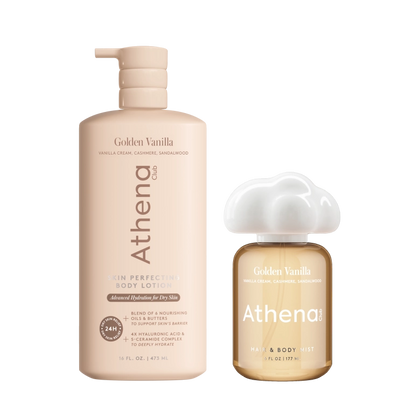
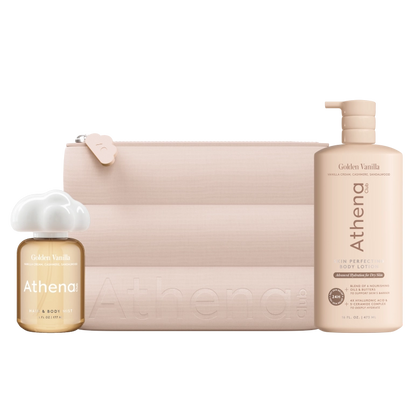
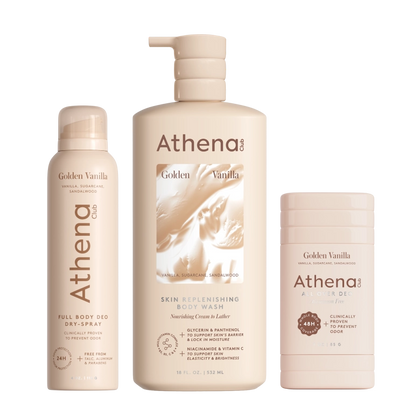
It can, actually. Harsh soaps or body washes with sulfates strip your skin's natural oils, leaving it dry and more vulnerable to irritation and friction. When your skin is dehydrated, it's more likely to darken in response to trauma. Switch to something gentle and pH-balanced like our Skin Replenishing Body Wash, which won Elle Magazine Canada's Beauty Grand Prix in 2025. It cleanses while nourishing your skin with a vitamin complex, keeping your moisture barrier intact. And here's a tip: don't scrub your inner thighs aggressively with a loofah or washcloth, especially right after shaving. Gentle cleansing with your hands works just fine and won't add unnecessary friction.
Will changing my clothing choices help with dark inner thighs?
Yes, and this is honestly one of the easiest changes to make. Tight clothing—especially synthetic fabrics—increases friction and traps moisture, creating the perfect environment for irritation and darkening. Opt for breathable, moisture-wicking fabrics like cotton or athletic blends that reduce chafing. If you love your skinny jeans or workout leggings, consider wearing bike shorts or anti-chafe bands underneath to create a barrier. Even something as simple as choosing a slightly looser fit on high-friction days can give your skin the breathing room it needs to heal and prevent further darkening.
How long does it take for dark inner thighs to fade once I fix my routine?
Here's the honest truth: it depends on how dark the hyperpigmentation is and how consistent you are with your new routine. With proper shaving technique, good products, and reduced friction, you might start seeing improvement in 4-6 weeks. Deeper darkening that's been building up for months or years could take several months to fade significantly.4 The key is consistency—you have to eliminate the ongoing irritation first, or your skin will just keep producing more melanin. Think of it like trying to heal a bruise while constantly bumping the same spot. Once you remove the cause and give your skin the right support, it can gradually return to its natural tone.
Are there ingredients I should look for to help fade existing dark spots?
Definitely. While improving your shaving routine prevents future darkening, certain ingredients can help fade existing hyperpigmentation. Look for products with niacinamide, vitamin C, or alpha hydroxy acids, which gently encourage cell turnover and brighten skin tone. Hyaluronic acid is also great because it keeps skin hydrated and plump, which supports the healing process. Just remember that your inner thighs are sensitive, so introduce new active ingredients slowly and always patch test first. And be patient—skin brightening is a marathon, not a sprint. Consistent care beats aggressive treatment every time.
Should I stop shaving my inner thighs altogether?
You absolutely don't have to stop shaving if you don't want to—it's all about how you shave, not whether you shave. If you love the smooth feeling, keep doing what makes you feel good, just with smarter techniques. Use a sharp, quality razor, prep properly, create a cushion with shave oil or butter, and take care of your skin afterward. That said, if your skin is severely irritated or the darkening is bothering you, taking a temporary break can give your skin time to heal. During that break, focus on gentle exfoliation, hydration, and reducing friction. Once your skin has recovered, you can reintroduce shaving with your improved routine and see much better results.
What else could be causing dark inner thighs besides shaving?
While shaving friction is a common cause, it's not the only one. Hormonal changes, weight fluctuations, certain medications, and conditions like acanthosis nigricans can also lead to darkening in skin folds.5 Chafing from walking or exercise, even without shaving, can cause the same melanin response. If you've improved your shaving routine and minimized friction but aren't seeing any improvement after a few months, it's worth checking in with a dermatologist. They can rule out underlying conditions and recommend targeted treatments like prescription-strength brightening creams or professional procedures if needed.
Quick Answers
- Shaving friction triggers melanin production, leading to darkening over time—it's your skin's protective response to irritation.
- Using a sharp, quality razor with proper prep (exfoliation and lubrication) dramatically reduces friction and prevents darkening.
- Post-shave care matters: rinse with cool water, moisturize gently, and give your skin recovery time before sweating or wearing tight clothes.
- Clothing choices count—breathable, loose-fitting fabrics reduce the constant friction that makes darkening worse.
- Improvement takes time (4-6 weeks to several months), but consistency with better shaving techniques and friction reduction will get you there.
- If you're doing everything right and still not seeing results, check in with a dermatologist to rule out other causes.
Ready to upgrade your self-care routine? Explore the full Athena Club collection and discover what works for you.
Sources
- Davis, E. C., & Callender, V. D. (2010). Postinflammatory hyperpigmentation: a review of the epidemiology, clinical features, and treatment options in skin of color. Journal of Clinical and Aesthetic Dermatology, 3(7), 20-31.
- Kaufman, B. P., Aman, T., & Alexis, A. F. (2018). Postinflammatory hyperpigmentation: epidemiology, clinical presentation, pathogenesis and treatment. American Journal of Clinical Dermatology, 19(4), 489-503.
- Allure Magazine. (2025). Best of Beauty Awards: Best Razor for Sensitive Skin.
- Grimes, P. E., & Yamada, N. (2019). The hyperpigmentation conundrum. Journal of Drugs in Dermatology, 18(3), s89-s96.
- Pichardo, R., Vallejos, Q., Feldman, S. R., Schulz, M. R., Verma, A., Quandt, S. A., & Arcury, T. A. (2009). The prevalence of acanthosis nigricans: a systematic review and meta-analysis. Journal of the American Academy of Dermatology, 61(4), 701-702.


