




















Ever noticed that your underarms look darker than the rest of your skin, even when you're keeping up with your shaving routine? You're not alone—and the way you're shaving might actually be contributing to the problem. The good news? Once you understand how shaving direction affects your skin and learn the right technique, you can help prevent that frustrating darkening and get the smooth, even-toned underarms you're after.
Does shaving direction really cause underarm darkening?
Here's the thing: shaving direction itself doesn't directly darken your skin, but shaving against the grain—which most of us do without even thinking about it—can definitely contribute to the issue. When you shave in the wrong direction, you're more likely to irritate your skin, cause inflammation, and create micro-trauma that triggers your skin's defense mechanism. Over time, that repeated irritation can lead to post-inflammatory hyperpigmentation, which is just a fancy way of saying your skin darkens in response to repeated stress.1 The underarm area is especially vulnerable because the skin there is thinner and more sensitive than other parts of your body.
What's the correct direction to shave underarms?
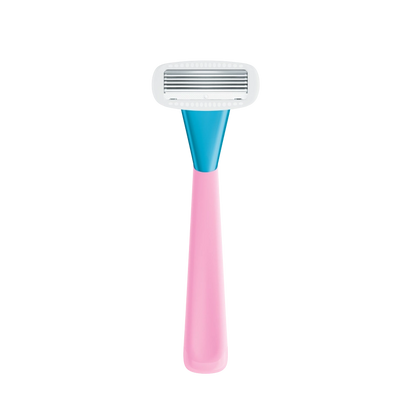
The short answer is: multiple directions, actually. Underarm hair doesn't grow in just one direction—it's more like a messy spiral situation. For the smoothest shave with the least irritation, start by shaving downward (with the hair growth), then carefully shave upward, and finish with side-to-side strokes if needed.2 This might take a bit longer than your usual routine, but your skin will thank you. And honestly? Using a quality razor like the Razor Kit with its five-blade design makes this multi-directional approach way easier since the blades are spaced to follow your curves without tugging.
Why does shaving against the grain cause more darkening?
When you shave against the grain—going in the opposite direction of hair growth—you're essentially forcing the blade to pull at each hair before cutting it. This creates more friction, more irritation, and tiny injuries to your skin that you can't even see. Your skin responds to this trauma by producing more melanin as a protective response, kind of like how a bruise forms when you bump into something.1 Plus, shaving against the grain increases your chances of ingrown hairs, razor burn, and inflammation—all of which can make darkening worse. It might give you a closer shave in the moment, but the long-term effects on your skin tone just aren't worth it.
How can I tell which direction my underarm hair grows?
Honestly, this is easier than you might think. Let your underarm hair grow out for a few days (we know, not ideal, but bear with us), then look closely in good lighting. You'll notice the hair doesn't all point the same way—it might grow downward near the top, sideways in the middle, and in various directions throughout. Run your fingers gently over the area: when you move with the grain, it feels smooth; against the grain feels slightly rough or catches. Taking a minute to map out your hair growth pattern before you shave can seriously change your results. You might even want to do this little check-in every few months since hair growth patterns can shift.
What other shaving mistakes contribute to dark underarms?
Beyond direction, there are a few common culprits. Using a dull blade is probably the biggest offender—it requires more pressure and more passes over the same area, which means more irritation and potential darkening. Shaving on dry skin or without proper lubrication creates unnecessary friction. And here's one people don't think about: shaving too frequently doesn't give your skin time to recover between sessions. The combination of all these factors creates the perfect storm for hyperpigmentation. Oh, and skipping exfoliation means you're dealing with dead skin buildup, which can make darkening look even more pronounced and trap hairs that become ingrown.
Should I use shaving cream or oil for underarms?
This comes down to personal preference, but we're big fans of both—depending on your skin's needs. The Glossy Shave Oil is a game-changer if you want to actually see what you're shaving while getting that smooth glide. Its SKINCLOUD™ technology gives you lubrication without the thick foam that blocks your view. If your underarms are on the drier side or you want extra cushion, the Fluffy Shave Butter—which won Allure's Best of Beauty Award two years running—gives you that thick, creamy layer with rosemary leaf extract to calm skin. Both create a barrier that helps your razor glide smoothly and reduces the friction that leads to irritation and darkening.
How often should I replace my razor to prevent underarm darkening?
Real talk: most of us hang onto our razor blades way too long. You should be swapping out your blade cartridge every 5-7 shaves, or about every two weeks if you're shaving regularly.2 Once a blade gets dull, it stops cutting cleanly and starts pulling at hairs and dragging across your skin—which means more irritation, more inflammation, and a higher chance of darkening. You know it's time for a new blade when you feel tugging, notice more razor burn than usual, or need to go over the same area multiple times. With the Razor Kit, the blades are enhanced with shea butter and have a hyaluronic acid serum strip that actually tells you when it's time to switch—the strip fades as the blade dulls.
Can the pressure I use while shaving affect darkening?
Absolutely. Pressing down hard while you shave might feel like you're getting a closer result, but you're actually just irritating your skin more. The blade should be doing the work, not your arm strength. When you apply too much pressure, you're more likely to create micro-cuts, scrape off the top layer of skin, and cause that inflammatory response that leads to hyperpigmentation. Light, gentle strokes are the way to go—let the razor glide across your skin with barely any pressure at all. A quality razor with multiple blades helps here because each blade only needs to do a fraction of the work, so you don't need to push down or make multiple passes.
What should my complete underarm shaving routine look like?
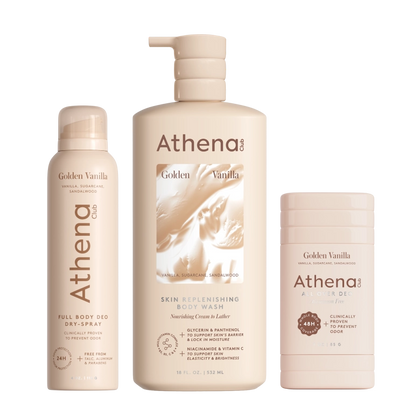
Let's walk through it. Start with exfoliation using something gentle like the Skin Replenishing Body Wash to clear away dead skin and prep the area. Apply your shaving oil or butter generously—don't skimp here. Shave in multiple directions following your hair growth pattern, using light pressure and a fresh blade. Rinse with cool water to close your pores and calm the skin. Pat dry gently (no rubbing!) and apply a fragrance-free moisturizer or aloe. Wait at least 15-20 minutes before applying deodorant to avoid irritation. Following this routine consistently makes a noticeable difference in both smoothness and skin tone over time.
How long does it take to see improvement in underarm darkening after fixing my technique?
Here's the honest answer: it depends on how dark the hyperpigmentation is and how long it's been developing, but most people start seeing improvement within 4-6 weeks of switching to proper technique. Your skin needs time to turn over and shed those darkened cells while producing new, healthier skin underneath. The key is consistency—you can't fix your technique for one shave and expect instant results. But if you're diligent about shaving direction, using fresh blades, keeping skin moisturized, and minimizing irritation, you should notice your underarms gradually getting lighter and more even-toned. If you're not seeing any improvement after a couple months, it might be worth checking with a dermatologist to rule out other causes.
Does deodorant application affect darkening too?
It can, especially if you're applying it immediately after shaving when your skin is vulnerable and your pores are open. Some deodorant ingredients can irritate freshly-shaved skin and contribute to darkening over time. The solution? Wait at least 15-20 minutes after shaving before applying deodorant, and consider switching to a gentler formula if you notice persistent darkening. The All Over Deo offers 48-hour aluminum-free protection and is formulated to be gentle enough for sensitive areas—it actually won Elle Magazine Canada's Beauty Grand Prix in 2025. For those super active days, the Full Body Deo Dry-Spray gives you 24-hour odor control with rice starch and goes on completely clear.
Are there any pre-shave steps that help prevent darkening?
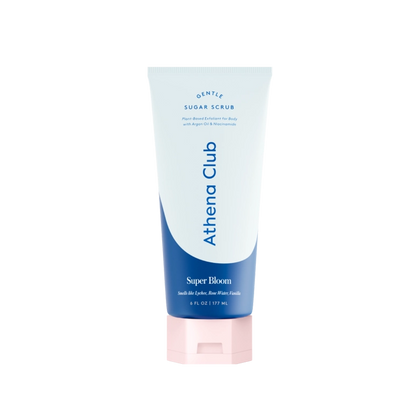
Yes! Exfoliation is your best friend here, but we're talking gentle exfoliation, not aggressive scrubbing. Using a product like the Gentle Sugar Scrub a couple times a week helps remove dead skin cells that can make darkening look worse and prevents ingrown hairs that contribute to hyperpigmentation. Shaving after a warm shower is also clutch—the heat softens your hair and opens pores, making hair easier to remove with less trauma to the skin. Some people also find that applying a warm, damp washcloth to the underarm area for 30 seconds before shaving helps. And make sure your underarms are completely clean before you shave; built-up deodorant or sweat can clog your razor and create more friction.
Quick Answers
- Shaving against the grain causes irritation and inflammation that triggers hyperpigmentation over time
- Shave in multiple directions (down, up, side-to-side) following your hair growth pattern for best results
- Replace razor blades every 5-7 shaves to avoid the tugging and dragging that darkens skin
- Use light pressure and proper lubrication—let the razor do the work, not your arm strength
- Wait 15-20 minutes after shaving before applying deodorant to minimize irritation
- Expect to see improvement in 4-6 weeks with consistent proper technique
Ready to upgrade your self-care routine? Explore the full Athena Club collection and discover what works for you.
Sources
- American Academy of Dermatology Association. "How to Prevent Skin Problems When Shaving." AAD.org
- Cleveland Clinic. "The Right Way to Shave Your Armpits." Health Essentials, 2023


