


































Let's be real: we all know we're supposed to change our razor blades regularly, but how many of us actually do? If you've been using the same blade for weeks (or, let's be honest, months), you're not alone. But here's the thing—a dull, bacteria-laden blade isn't just giving you a less-than-smooth shave. It could actually be putting your skin at risk for infections, irritation, and those annoying razor bumps. So let's talk about when to swap out that blade and why it actually matters for your skin's health.
How often should I really replace my razor blade?
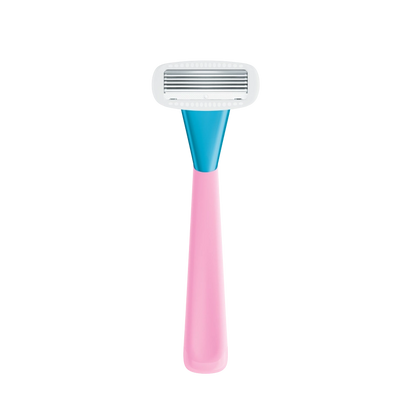
The short answer? Every 5-7 shaves, or roughly every 1-2 weeks if you're shaving regularly. Now, I know that might sound like a lot, but hear me out. After about five uses, even the sharpest blades start to dull, and that's when things get dicey for your skin. A dull blade means you're pressing harder, going over the same spot multiple times, and creating more opportunities for nicks, irritation, and—you guessed it—bacteria to set up shop. If you notice tugging, increased irritation, or that your shave just doesn't feel as smooth as it used to, that's your blade telling you it's time for a refresh. The Razor Kit makes this easy with its 5-blade design that stays sharper longer, but even the best blades need regular replacing.
Can old razor blades actually cause infections?
Honestly? Yes, they absolutely can. Every time you shave, your blade collects dead skin cells, hair, soap residue, and moisture—basically a bacterial buffet. When you leave that blade sitting in your shower between uses, bacteria and even fungi can multiply like crazy.1 Then, the next time you shave, you're dragging all that bacteria across your skin, potentially pushing it into tiny nicks or open pores. This can lead to folliculitis (those red, inflamed bumps), staph infections, or other skin infections that are definitely not the smooth, glowing result you were going for. The warm, humid shower environment makes it even worse, creating the perfect breeding ground for unwanted germs.
What are the signs my razor blade is too old?
Your blade will usually tell you when it's past its prime—you just have to listen. First up: tugging or pulling during your shave instead of that smooth, just-glided-on feeling. You might also notice you're needing multiple passes over the same area to get all the hair, which is a dead giveaway. Visible rust, discoloration, or residue buildup on the blades? Definitely time for a change. Increased razor burn, bumps, or irritation after shaving is another red flag. And if you're experiencing more nicks or cuts than usual, that's your dull blade doing more harm than good. Trust me, once you start paying attention to these signs, you'll never want to go back to using an old blade again.
Does it matter what kind of razor I use?
It definitely matters! Quality razors with multiple blades, moisture strips, and ergonomic designs aren't just marketing fluff—they actually make a difference in both your shave quality and how long the blade stays effective. The Razor Kit, which was named Allure's Best Razor for Sensitive Skin in 2025, features spaced-out blades that actually prevent buildup and allow for better rinsing between strokes. The hyaluronic acid serum strip and shea butter–enhanced blades also help reduce friction and irritation, which means less trauma to your skin with every pass. Plus, a non-slip handle means better control and less pressure needed—both things that help prevent nicks that can become entry points for bacteria.
How should I store my razor between uses to prevent bacteria growth?
Here's where most people mess up: leaving your razor in the shower caddy or on a wet ledge. After each use, rinse your blade thoroughly under hot water to remove all hair, shaving cream, and skin cells. Then—and this is key—dry it off with a clean towel and store it in a dry place outside the shower if possible. The magnetic storage hook that comes with the Razor Kit is actually genius for this because it keeps your razor upright and allows air circulation so the blades can dry completely. If you must keep it in the shower, at least store it blade-side up and away from direct water spray. Bacteria and mold thrive in damp environments, so the drier you can keep your razor, the better.
What's the proper way to clean my razor after each use?
Good news—cleaning your razor doesn't require anything fancy. After shaving, hold the blade under hot running water and rinse it from back to front, opposite the direction you shave. This helps flush out trapped hair and buildup between the blades. Give it a few good shakes to remove excess water, then gently pat it dry with a clean towel. Don't tap your razor against the sink or tub—that can damage the blades and the protective strips. Some people swear by occasionally soaking their razor in rubbing alcohol for a few minutes to kill bacteria, which isn't a bad idea if you're prone to infections. Just make sure it's completely dry before storing it.
Can using shaving cream or oil really help prevent infections?
Absolutely, and here's why: proper lubrication creates a protective barrier between the blade and your skin, reducing friction and the likelihood of nicks and micro-cuts. Fewer cuts mean fewer opportunities for bacteria to get in. The Glossy Shave Oil uses SKINCLOUD™ technology to create that protective glide while also prepping your skin, and because it's clear, you can actually see where you're shaving. If you prefer something creamier, the two-time Allure Best of Beauty Award-winning Fluffy Shave Butter creates a thick, cushiony layer that helps the blade glide smoothly. Plus, both products contain skin-loving ingredients that help soothe and protect your skin during and after the shave, which supports your skin's natural barrier against infection.2
Should I replace my blade more often if I have sensitive skin?
Yes, definitely consider changing your blade on the more frequent end of the spectrum. Sensitive skin is more prone to irritation, inflammation, and those pesky ingrown hairs—and a dull blade only makes all of that worse. If you're already dealing with conditions like eczema, psoriasis, or just generally reactive skin, using a fresh, sharp blade can make a huge difference in how your skin tolerates shaving. A sharp blade requires less pressure and fewer passes, which means less trauma to your already-sensitive skin. You might also want to pair your frequent blade changes with products specifically designed for sensitive skin, and always make sure you're prepping properly with warm water and quality lubrication to minimize irritation.
What should I do if I think I already have a razor-related infection?
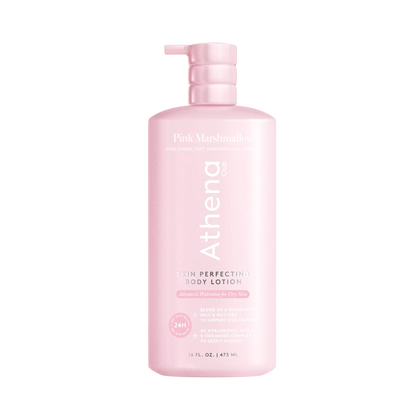
First, stop shaving the affected area immediately—continuing to shave will only irritate it further and potentially spread the infection. Look for signs like persistent redness, pus-filled bumps, increasing pain or swelling, or red streaks spreading from the area. If you notice any of these, especially if they're getting worse or accompanied by fever, see a healthcare provider ASAP. For mild cases of folliculitis (those red bumps that look like acne), keeping the area clean with a gentle, pH-balanced cleanser like Skin Replenishing Body Wash and applying warm compresses can help. But seriously, if you're not sure or if it's not improving within a few days, get it checked out. Skin infections can escalate quickly, and it's always better to be safe.
Are there other hygiene practices I should follow to prevent infections?
Definitely! Think of blade replacement as just one part of your overall shaving hygiene routine. Always shave clean skin—use a gentle body wash to remove dirt, oil, and bacteria before you start. Never share razors with anyone, ever—not your partner, not your roommate, nobody. Each person's skin bacteria is unique, and sharing razors is a direct route for infection transmission. Exfoliate regularly (but not right before shaving) to prevent ingrown hairs, which can become infected. After shaving, avoid tight clothing that can trap moisture and bacteria against freshly shaved skin. And if you have any cuts or open wounds, skip shaving that area until it's healed. Your skin will thank you for the extra care.
Is there a difference between men's and women's razors when it comes to bacteria?
Honestly, bacteria don't discriminate—they'll happily grow on any dull, moist blade regardless of the marketing label. However, razors designed for larger surface areas, like legs and body, often have design features that actually help with hygiene. The spaced-out blades on quality body razors allow for better rinsing and less buildup, which means less bacterial growth. The angle and ergonomics also matter—a razor that's comfortable to hold and easy to maneuver means you're less likely to press too hard or make multiple passes, both of which increase infection risk. So while the "gender" of the razor doesn't matter for bacteria prevention, the quality and design absolutely do. Focus on finding a razor that works for your body and how you shave.
Can I extend the life of my razor blade safely?
While you can take steps to keep your blade in better condition—like proper cleaning, thorough drying, and storing it outside the shower—don't try to stretch a blade way past its prime. That "savings" isn't worth the potential for infection, irritation, or a painful shave. That said, using quality shaving products can help your blades last closer to that 5-7 shave maximum by reducing friction and buildup. Shaving less frequently or only shaving smaller areas will also naturally extend blade life. But the key word here is "safely"—if your blade is showing any signs of dullness, rust, or excessive buildup, no amount of cleaning will make it safe to use. Think of razor blades as a regular self-care investment, not an area to cut corners.
Quick Answers
- Replace your razor blade every 5-7 shaves or 1-2 weeks to prevent bacterial buildup and maintain a close, safe shave
- Old, dull blades can absolutely cause skin infections by harboring bacteria and creating more nicks and irritation
- Always rinse and dry your blade thoroughly after use, then store it in a dry place outside the shower when possible
- Signs you need a new blade include tugging, increased irritation, visible rust or buildup, and needing multiple passes
- Using quality shaving products and maintaining good hygiene practices are just as important as regular blade replacement
- If you notice signs of infection like persistent redness, pus, or spreading irritation, stop shaving and see a healthcare provider
The Bottom Line
Look, I get it—remembering to change your razor blade isn't exactly the most exciting part of your routine. But when you think about what's at stake—smoother shaves, healthier skin, and avoiding those painful, unsightly infections—it's a pretty easy habit to build. Set a reminder on your phone, mark it on your calendar, or just pay attention to how your shave feels. Your skin is your body's largest organ and its first line of defense against the outside world, so treating it well during something as routine as shaving really does matter. A fresh blade, proper technique, and quality products aren't luxuries—they're basics that every body deserves.
Ready to upgrade your self-care routine? Explore the full Athena Club collection and discover what works for you.
Sources
- American Academy of Dermatology Association. "How to Treat Razor Burn." Accessed 2024.
- Cleveland Clinic. "Folliculitis: What It Is, Symptoms & Treatment." Accessed 2024.


