






















You know that moment when you're trying on a sleeveless dress and catch your reflection at just the wrong angle? Suddenly, you're hyper-aware of the dark patches under your arms that seem to have gotten more noticeable over time. Here's the thing: darkened underarms are incredibly common, especially if you've been shaving for years. The good news? With the right approach, you can see real improvement in just three weeks. Let's talk about what's actually happening under there and how to brighten things up—without any harsh treatments or endless waiting.
Why Does Shaving Darken Your Underarms in the First Place?
Let's be real—if shaving caused darkening for everyone all the time, we'd all be walking around with perpetually dark underarms. So what's actually going on? The issue isn't really the act of shaving itself, but rather a combination of factors that pile up over time.1
First, there's something called post-inflammatory hyperpigmentation. Every time you drag a razor across your skin (especially if it's dull or you're pressing too hard), you're creating microscopic irritation. Your skin responds by producing extra melanin as a protective measure, and over months or years, this can create that shadowy appearance.2 Then there's the optical illusion factor: when you shave, you're cutting hair at the surface, so the darker hair follicles beneath the skin can create a shadow effect. Add in product buildup from deodorants and dead skin cells that haven't been properly exfoliated, and you've got the perfect storm for discoloration.
The encouraging part? Because this darkening happens gradually from external factors, it can be reversed with some targeted care. You're not stuck with it forever.
Week One: Reset Your Shaving Routine (This Makes All the Difference)
Before we even talk about brightening treatments, we need to address the root cause. If you keep shaving the same way that contributed to darkening in the first place, any treatment you apply is basically fighting an uphill battle. Think of this first week as laying the foundation.
Start by upgrading your tools. A sharp, quality razor makes a huge difference—and we're not just saying that because we make one. The Razor Kit features five spaced-out blades that follow your curves without requiring you to press down hard (that pressure is what causes irritation). The hyaluronic acid serum strip and shea butter–enhanced blades mean you're actually hydrating while you shave, not just scraping away. Good Housekeeping found that it achieves 89% single-pass shaving,3 which means fewer repeat strokes and less irritation overall.
Next, ditch the dry shaving. Always use a lubricating product—and this is where the Glossy Shave Oil becomes your new best friend. Its SKINCLOUD™ technology creates a protective barrier that lets the razor glide smoothly while delivering hydration. Or try the Fluffy Shave Butter, which won Allure's Best of Beauty Award two years running for good reason—that thick, creamy texture with rosemary leaf extract protects skin while providing the slip you need for a gentle shave.
One more thing: shave in the direction of hair growth for this first week, even if it doesn't feel quite as close. Your underarms need a break from the irritation of against-the-grain shaving.
Week Two: Exfoliate and Brighten (Gently Does It)
Now that you've eliminated ongoing irritation, it's time to address the discoloration itself. The key word here is gently—your underarm skin is delicate, and aggressive scrubbing will only create more inflammation and, ironically, more darkening.
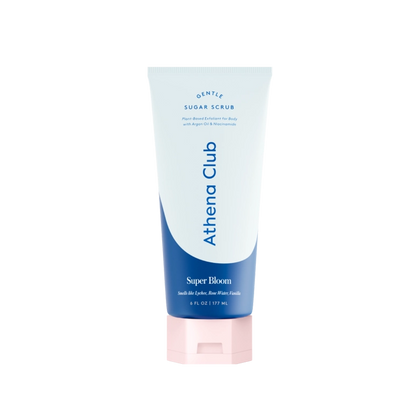
Start incorporating gentle exfoliation 2-3 times per week. Chemical exfoliants containing alpha hydroxy acids (AHAs) like lactic acid or glycolic acid work beautifully here because they dissolve dead skin cells without the friction of physical scrubs.4 You can use an exfoliating toner or serum designed for the body—just apply it to clean, dry underarms in the evening, and let it do its thing overnight. If you prefer physical exfoliation, reach for something like a gentle sugar scrub once or twice a week, using light circular motions.
During week two, also start using a brightening serum or treatment specifically formulated for body skin. Look for ingredients like niacinamide (which helps fade hyperpigmentation), vitamin C (a gentle brightener), or kojic acid (naturally derived and effective for evening skin tone).5 Apply these after showering and exfoliating, giving them time to absorb before applying deodorant.
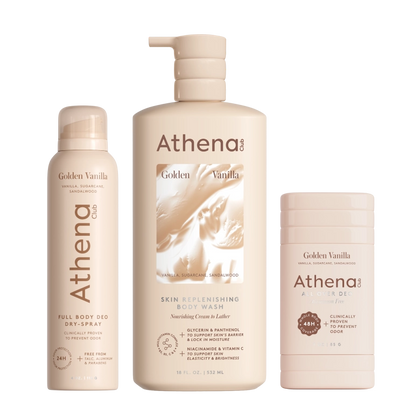
Speaking of deodorant: switch to a formula that won't contribute to buildup or irritation. The All Over Deo offers 48-hour aluminum-free protection and is gentle enough for sensitive areas—it won Elle Magazine Canada's Beauty Grand Prix in 2025 for being effective without harsh ingredients.
Week Three: Maintain and Moisturize (You'll Start Seeing Results)
By week three, you should be noticing a real difference. The shadowy appearance is lighter, the skin texture is smoother, and that overall tone is more even. This is when consistency becomes your superpower—keep up everything you've been doing, and add in one more crucial step: serious hydration.
Moisturized skin reflects light better and appears brighter overall. After every shower, while your skin is still slightly damp, apply a nourishing body moisturizer or oil to your underarms. This locks in hydration and supports your skin barrier, which has probably been compromised from years of shaving without proper care.6
The Skin Replenishing Body Wash is perfect for this phase because its pH-balanced formula with vitamin complex cleanses without stripping your skin. That means you're starting from a hydrated baseline before you even apply moisturizer—and it also won Elle Magazine Canada's Beauty Grand Prix in 2025. When your skin isn't constantly trying to recover from harsh cleansers, brightening treatments work better.
Continue with your exfoliation and brightening treatments from week two, but pay attention to how your skin feels. If you notice any sensitivity, pull back to once or twice weekly on the exfoliation. The goal is steady improvement, not irritation.
Beyond Three Weeks: Keeping Your Results (And Improving Even More)
Here's what nobody tells you: those three weeks are just the beginning. You'll see noticeable improvement, absolutely, but continued care means continued brightening. Think of it less like a "fix" and more like a routine upgrade that keeps paying dividends.
Keep using sharp razors—swap out your blades every 5-7 shaves to ensure you're never dragging a dull blade across delicate skin. Maintain your gentle exfoliation schedule, and don't skip the moisturizing step. Your underarms deserve the same thoughtful care you give your face.
Some people find that spacing out shaving sessions (maybe every other day instead of daily) gives their skin more recovery time and prevents future darkening. Others discover that switching between shaving and other hair removal methods occasionally gives their underarms a break. Pay attention to what your skin responds to best.
If you're seeing improvement but want to accelerate results, consider adding a vitamin E oil or a targeted brightening cream to your nighttime routine. And remember: sun exposure can darken pigmentation, so if you're spending time in sleeveless tops outdoors, a quick swipe of sunscreen on your underarms isn't overkill—it's smart.
What If You're Not Seeing Results?
Let's talk about this honestly, because not every case of underarm darkening is the same. If you've followed this routine diligently for three weeks and aren't seeing any improvement, it's worth checking in with a dermatologist. Some skin conditions—like acanthosis nigricans—can cause darkening that requires medical evaluation.7 This condition is sometimes associated with hormonal changes or insulin resistance, and while it's nothing to panic about, it does need proper diagnosis.
Similarly, if you've been using the same deodorant or antiperspirant for years, certain ingredients might be contributing to stubborn darkening. Aluminum compounds, fragrance, or alcohol can cause irritation in some people that leads to persistent discoloration. A dermatologist can help you identify potential irritants and suggest alternatives.
The bottom line? Give the gentle, consistent approach a solid three-week try. Most people see real improvement. But if you don't, that's valuable information that tells you it's time to bring in a professional for a closer look.
The Bottom Line
- Underarm darkening from shaving is usually caused by irritation, buildup, and the shadow of hair beneath the skin—all of which can be addressed
- Week one is about preventing further irritation with sharp razors, proper lubrication, and gentle technique
- Week two introduces gentle exfoliation and brightening treatments to fade existing discoloration
- Week three focuses on hydration and maintaining your routine for visible results
- Consistency is everything—small, gentle steps repeated regularly beat aggressive one-time treatments every time
The truth is, those dark patches that have been bothering you didn't appear overnight, and they won't vanish overnight either. But with three weeks of intentional, gentle care, you can see real improvement that builds over time. It's about working with your skin, not against it—treating it kindly while still being effective. And honestly? That philosophy applies to pretty much every part of self-care.
Ready to level up your routine? Check out the Athena Club collection and find your new favorite.
Sources
- American Academy of Dermatology Association. "How to Prevent and Treat Dark Underarms." AAD.org
- Davis, E.C., & Callender, V.D. "Postinflammatory Hyperpigmentation: A Review of the Epidemiology, Clinical Features, and Treatment Options in Skin of Color." Journal of Clinical and Aesthetic Dermatology, 2010.
- Good Housekeeping Beauty Lab. "Best Razor Testing Results." Good Housekeeping Institute, 2025.
- Tang, S.C., & Yang, J.H. "Dual Effects of Alpha-Hydroxy Acids on the Skin." Molecules, 2018.
- Zhu, W., & Gao, J. "The Use of Botanical Extracts as Topical Skin-Lightening Agents for the Improvement of Skin Pigmentation Disorders." Journal of Investigative Dermatology Symposium Proceedings, 2008.
- Purnamawati, S., et al. "The Role of Moisturizers in Addressing Various Kinds of Dermatitis: A Review." Clinical Medicine & Research, 2017.
- Phisk, J.D., et al. "Acanthosis Nigricans: High Prevalence and Association with Diabetes in a Practice-based Research Network Consortium." Journal of the American Board of Family Medicine, 2007.


