















How to Prevent Underarm Darkening from Shaving Without Sacrificing Smoothness
You know that moment when you're getting ready for a sleeveless situation and catch a glimpse of darker underarm skin in the mirror? You're definitely not alone—and no, you're not doing anything wrong. Here's the thing: underarm darkening is super common, and shaving (while giving us that smooth feeling we love) can sometimes contribute to it. But before you consider giving up your razor or accepting darker underarms as your fate, let's talk about what's really happening and how you can keep your underarms both smooth and bright. Spoiler alert: you can totally have both.
Why Does Shaving Sometimes Darken Your Underarms?
Let's be real—your underarms have a tough job. They're dealing with friction, sweat, deodorant buildup, and regular hair removal, all in an area where the skin is naturally thinner and more sensitive. When it comes to shaving specifically, darkening usually happens for a few reasons.1
First up: irritation and inflammation. Every time you shave, especially if you're pressing hard or using a dull blade, you're creating micro-irritation on the skin's surface. Your skin responds to this irritation by producing more melanin (the pigment that gives skin its color) as a protective mechanism. Over time, this can lead to what's called post-inflammatory hyperpigmentation—basically, your skin's overenthusiastic attempt to protect itself.2
Then there's the shadow effect. Even the closest shave leaves hair just below the skin's surface, and on thin underarm skin, this can create a grayish or darker appearance—kind of like how a five o'clock shadow looks on a face. And finally, buildup from dead skin cells, deodorant residue, and product accumulation can create a layer that makes your underarms look duller and darker than they actually are.
The Secret to Preventing Irritation-Related Darkening
Here's where your shaving technique and tools make all the difference. Think of it like this: gentle, efficient shaving = happy skin that doesn't feel the need to protect itself with extra pigment.
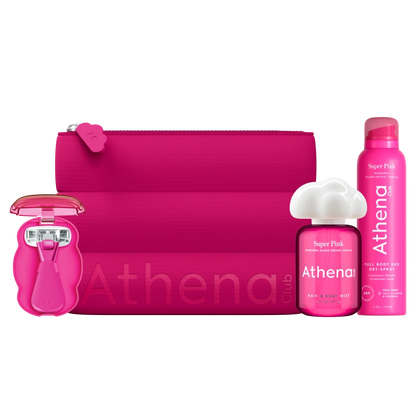
Start with a razor that's actually designed to minimize irritation. The Razor Kit features five spaced-out blades that follow your body's curves (important for those tricky underarm contours) plus a hyaluronic acid serum strip and shea butter–enhanced blades that add a layer of skin-loving hydration with every pass. In fact, Good Housekeeping found it delivers 89% single-pass shaving3—which means less going over the same spot repeatedly, and less irritation overall. It's also been recognized as Allure's Best Razor for Sensitive Skin in 2025.
Your shaving medium matters just as much as your razor. Skip the regular soap (it can be drying and doesn't provide enough slip) and opt for something that actually protects your skin barrier. The Glossy Shave Oil is a game-changer here—it's an oil-serum hybrid with SKINCLOUD™ technology that creates a protective glide while nourishing skin. If you prefer a creamier feel, the Fluffy Shave Butter (a two-time Allure Best of Beauty Award winner in 2024 and 2025) gives you that thick, cushiony layer with rosemary leaf extract to help calm skin as you shave.
Exfoliation: Your Brightening Best Friend
Remember that buildup we mentioned? This is where exfoliation comes in—but we're talking gentle, regular exfoliation, not aggressive scrubbing that creates more irritation. Think of exfoliation as clearing away the dulling layer so your actual skin can shine through.
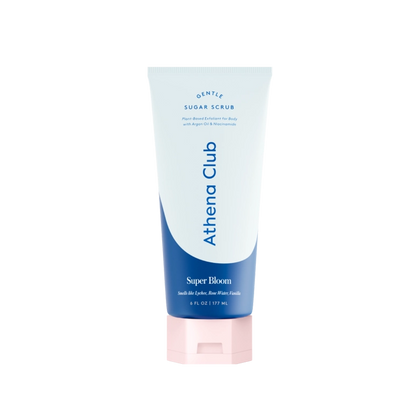
A couple of times a week (not every day—your underarms need recovery time too), use the Gentle Sugar Scrub before you shave. The sugar crystals physically buff away dead skin cells and any product buildup without being too harsh. This does two things: it helps prevent ingrown hairs (which can also contribute to darkening) and it removes that dulling layer that makes skin look darker. Just use circular motions with light pressure—your underarms are more delicate than, say, your legs or arms.
Here's a timing tip: exfoliate first, then shave. This removes the barrier layer and allows for a closer, smoother shave with less friction. Just make sure you're gentle with both steps—this isn't a "more is better" situation.
The Daily Care Routine That Makes a Difference
What you do between shaves is just as important as your actual shaving routine. Consistency is where you'll really see results.
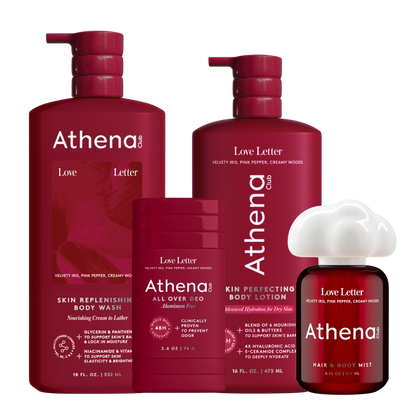
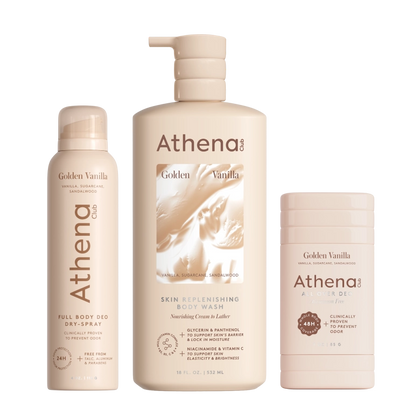
Start with the right cleansing. The Skin Replenishing Body Wash is pH-balanced and packed with a vitamin complex that cleanses while nourishing your skin—it won't strip away your skin's natural protective barrier, which is crucial for preventing irritation-related darkening. It's even won an Elle Magazine Canada Beauty Grand Prix award in 2025 for its skin-loving formula. Use it daily to keep your underarms clean without being harsh.
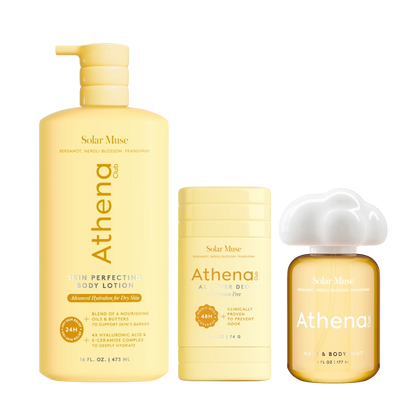
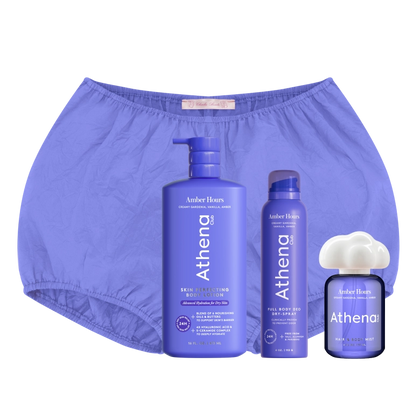
After showering, while your skin is still slightly damp, this is prime time for your deodorant. But here's something important: aluminum-based deodorants and antiperspirants can sometimes contribute to darkening in sensitive individuals.4 The All Over Deo offers 48-hour aluminum-free protection and is gentle enough to use anywhere on your body. It's also won the Elle Magazine Canada Beauty Grand Prix in 2025. If you prefer a dry-spray formula, the Full Body Deo Dry-Spray provides 24-hour odor control with rice starch and won't leave that sticky residue that can mix with dead skin cells and contribute to buildup.
One more thing: moisturize your underarms just like you would the rest of your body. We often forget this area, but keeping skin hydrated helps maintain a healthy barrier function, which means less reactive hyperpigmentation when you do shave.
Shaving Habits That Keep Underarms Bright
Let's talk about some specific techniques that can make or break your underarm brightening efforts.
First, always shave on clean, prepped skin. Shaving on dry skin or skin that's covered in deodorant buildup? That's asking for irritation. Take a few extra seconds to cleanse and prep—your future self will thank you.
Blade freshness is non-negotiable. A dull blade requires more pressure and more passes, which equals more irritation and potential darkening. If you're noticing you need to go over the same area multiple times or if shaving starts to feel tuggy instead of smooth, it's time for a new blade. Generally, switching out your blade cartridge every 5-10 shaves is a good rule of thumb, but listen to your skin.
Shaving direction matters too. While everyone's hair grows slightly differently, most underarm hair grows downward. Try shaving in the direction of hair growth first, then if you want that extra-smooth feeling, go gently against the grain—but only after that first pass, and only with proper lubrication from your shave oil or butter.
And here's something that often gets overlooked: don't stretch the skin too taut. Yes, you want the area smooth for shaving, but pulling skin super tight can actually make you more prone to irritation and ingrown hairs. Keep it natural and let your razor's design do the work of following your contours.
When to Expect Results (And What's Realistic)
Real talk: if you're dealing with darkening that's been developing for months or years, it's not going to disappear overnight. Skin cell turnover takes time—typically around 28 days for a complete cycle, and sometimes longer for the underarm area.5
With consistent gentle care, most people start noticing a difference within 4-6 weeks. You might see less irritation and redness pretty quickly (within a week or two), but actual pigment fading takes longer. The good news? Every shave you do with proper technique is a step toward brighter, healthier skin rather than contributing to more darkening.
Keep in mind that some slight color difference in your underarm area is totally normal and natural. The skin there is thinner and often has more melanocytes (pigment-producing cells) than other body areas. The goal isn't necessarily to match your underarms exactly to your arm skin, but rather to prevent unnecessary darkening from irritation and buildup.
If you've been following all these tips consistently for a few months and aren't seeing any improvement—or if darkening seems to be getting worse—it's worth checking in with a dermatologist. Sometimes hyperpigmentation can be related to hormonal factors, certain medications, or skin conditions that benefit from professional treatment.6
The Bottom Line
- Underarm darkening from shaving is usually caused by irritation, the shadow of hair under the skin, or product buildup—all of which are totally addressable.
- Switch to a high-quality razor with sharp blades, use proper shaving lubrication, and don't press too hard or make multiple passes over the same area.
- Exfoliate gently 2-3 times per week to remove buildup and prevent ingrown hairs, but don't overdo it—balance is key.
- Keep your underarms clean, moisturized, and protected with aluminum-free deodorant to minimize irritation between shaves.
- Be patient—skin brightening takes 4-6 weeks of consistent care, but every gentle shave is moving you in the right direction.
The beautiful thing about preventing underarm darkening is that all the steps that help with brightening also happen to give you smoother, healthier, more comfortable skin overall. It's not about adding a complicated extra routine—it's about doing the essentials really well. Sharp blades, gentle technique, regular (but not excessive) exfoliation, and daily nourishment: that's your formula for underarms that look as good as they feel.
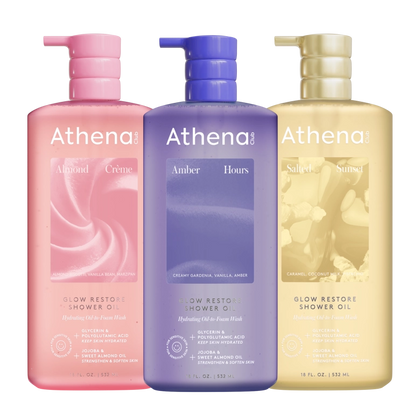
Ready to give your underarms the upgrade they deserve? Check out the Athena Club collection and find your new shower favorites that make smooth, bright underarms totally achievable.
Sources
- American Academy of Dermatology Association. "How to Treat Dark Underarms." AAD.org.
- Davis, E.C., & Callender, V.D. (2010). "Postinflammatory hyperpigmentation: a review of the epidemiology, clinical features, and treatment options in skin of color." Journal of Clinical and Aesthetic Dermatology, 3(7), 20-31.
- Good Housekeeping Institute. (2025). "Athena Club Razor Kit Testing Results."
- Goncalo, M., & Goncalo, S. (2011). "Allergic contact dermatitis from fragrance components and related materials in deodorants and antiperspirants." Contact Dermatitis, 65(1), 1-11.
- Linder, J. (2020). "Skin Cell Turnover Rate and Renewal Process." Verywell Health.
- Kaufman, B.P., Aman, T., & Alexis, A.F. (2018). "Postinflammatory Hyperpigmentation: Epidemiology, Clinical Presentation, Pathogenesis and Treatment." American Journal of Clinical Dermatology, 19(4), 489-503.


