



















You know that moment when you reach for your razor and notice those telltale orange spots creeping across the blades? It's frustrating—especially when you're dealing with a steamy bathroom that seems determined to turn every metal surface into a rust magnet. The good news? A few simple storage tweaks can keep your razor in pristine condition, even in the most humid spaces. Let's talk about how to protect your favorite grooming tool from moisture damage.
Why does my razor rust so quickly in the bathroom?
Honestly, it's all about that moisture-heavy environment. Bathrooms create the perfect storm for rust: hot showers fill the air with steam, wet surfaces stay damp for hours, and all that humidity settles on everything—including your razor.1 When water sits on metal blades, especially if there's any soap residue or minerals from hard water, it speeds up oxidation. That's just science-speak for rust formation. The thing is, most of us leave our razors right there in the shower or on the sink ledge, where they're constantly exposed to moisture without a chance to fully dry out between uses.
What's the best way to dry my razor after each use?
The short answer: shake it out thoroughly and give it a quick pat-dry with a clean towel. Here's the thing—just rinsing your razor isn't enough. After you shave, hold it under running water to clear away hair and shaving cream, then give it several firm shakes to get rid of excess water trapped between the blades. Follow up by gently patting (not wiping) the blades with a clean, dry towel. Wiping can actually dull the blades or cause tiny nicks, so think of it more like blotting. This simple 10-second routine makes a massive difference in preventing rust and extending blade life.2
Should I store my razor inside or outside the shower?
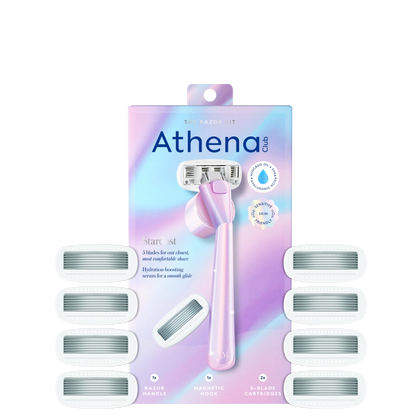
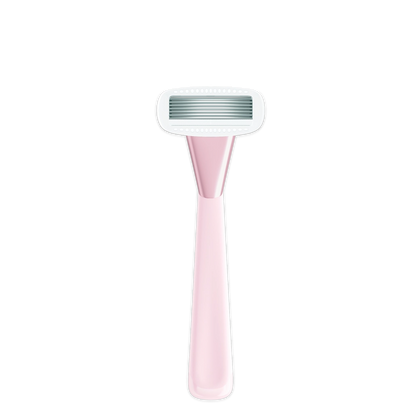
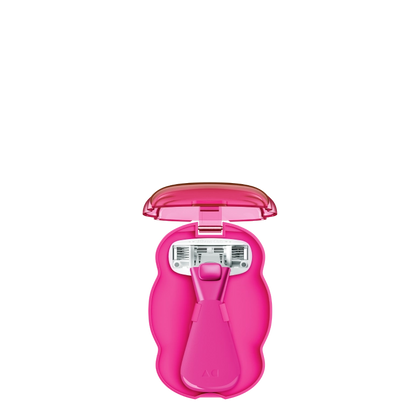
Outside the shower wins every time. I know it's convenient to keep everything right where you use it, but storing your razor in the shower is basically giving rust an engraved invitation. The constant steam and water exposure mean your razor never gets a chance to completely dry. Instead, find a spot outside the shower, maybe on your bathroom counter, in a medicine cabinet, or on a shelf. If you're using the Razor Kit, it comes with a magnetic hook that lets you store it on your mirror or any bathroom surface, keeping it elevated and dry between uses.
Does the position I store my razor in actually matter?
Yes, and this is one of those small details that makes a real impact. Store your razor with the blades facing up or hanging vertically. When blades point downward or lie flat, water can pool on them or drain slowly, creating that prolonged moisture contact that leads to rust. Vertical storage—whether that's hanging from a hook or standing upright in a holder—lets gravity do its job, pulling water away from the blades so they air-dry faster. Plus, keeping blades elevated means they're less likely to come into contact with damp countertop surfaces.
What kind of razor holder works best in humid bathrooms?
Look for holders that promote airflow and keep your razor elevated. Avoid closed containers or those suction-cup caddies that trap moisture inside—they might look neat, but they're rust factories. The best options are open holders with drainage holes, magnetic hooks, or wall-mounted racks that allow air to circulate around the entire razor. Honestly, the magnetic hook that comes with the Razor Kit is genius for this exact reason. It keeps your razor completely off surfaces, allows 360-degree airflow, and looks sleek while doing it. If you prefer a countertop holder, choose one with wide spacing that won't trap water.
How do I prevent rust if I have a really small, steamy bathroom?
Small bathrooms with limited ventilation definitely make this trickier, but you've got options. First, run your exhaust fan during and after showers—aim for at least 20 minutes post-shower to clear out steam. If you don't have a fan, crack a window or door to improve air circulation. For razor storage specifically, consider keeping it in a drawer or cabinet away from direct steam exposure, or even store it in your bedroom if your bathroom stays consistently humid. The key is finding the driest microclimate in your space. And definitely invest in quality razors with better rust-resistant materials—premium options tend to hold up better in challenging conditions.
Does the type of razor material affect how quickly it rusts?
Definitely. Not all razors are created equal when it comes to rust resistance. Blades made with stainless steel or those with protective coatings resist oxidation much better than basic carbon steel. Higher-quality razors often feature additional treatments that create a barrier against moisture. The Razor Kit uses premium materials designed to stand up to bathroom conditions, and its aluminum handle won't rust at all—only the blade cartridges need replacing. That said, even the best materials need proper care. Think of it this way: good materials give you a head start, but proper storage seals the deal.
Should I rinse my razor with hot or cold water?
Cold water is actually better for preventing rust, though the difference is subtle. Hot water can sometimes accelerate oxidation and may affect any protective coatings on your blades over time. That said, the most important thing is that you rinse thoroughly to remove all soap, shaving cream, hair, and skin cells—residue creates additional moisture-trapping gunk that promotes rust. So rinse with whatever temperature gets your razor completely clean, then follow up with that crucial shake-and-dry routine. Some people like to do a final cold water rinse just to close the deal, which works great too.
How often should I replace my razor blades to avoid rust issues?
Most blades should be replaced every 5-7 shaves, or roughly every two weeks if you shave regularly.2 Here's the thing though—if you notice rust spots before that timeframe, swap them out immediately. Shaving with rusty blades isn't just ineffective (hello, tugging and irritation), it can also introduce bacteria to your skin. Pay attention to performance too: if your razor starts pulling at hair instead of gliding smoothly, or if you're getting more nicks than usual, it's time for a fresh blade regardless of rust. Keeping up with regular replacements means you're always working with sharp, clean blades that are less vulnerable to moisture damage.
Can my shaving products help prevent razor rust?
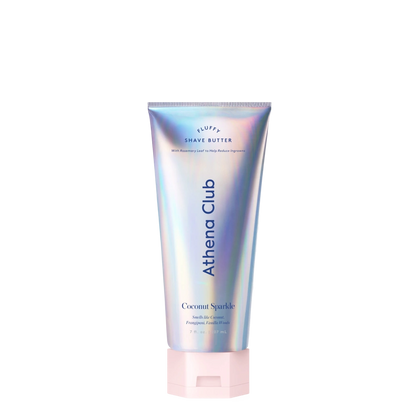
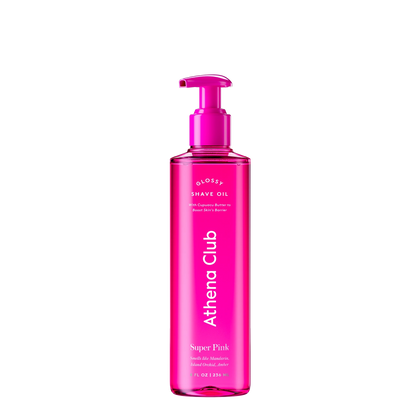
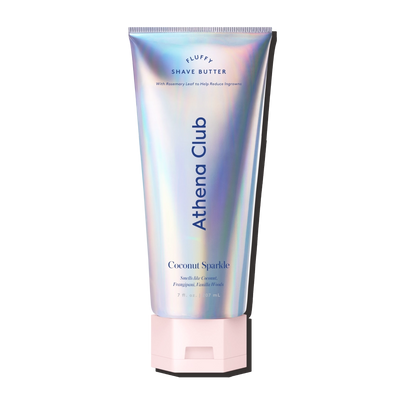
Indirectly, yes—the right products can make a difference. Quality shaving products like Glossy Shave Oil or Fluffy Shave Butter (which won Allure's Best of Beauty Award two years running) rinse clean more easily than cheap foams or gels. When products rinse completely without leaving residue, your razor stays cleaner and dries faster—both of which help prevent rust. Plus, better lubrication during shaving means less pressure and friction on your blades, which can preserve protective coatings longer. It's all connected: treating your skin well and using quality products creates a better environment for your razor too.
What should I do if my razor already has rust spots?
Time to replace those blades, friend. Once rust appears, the blade is compromised—trying to clean it off doesn't restore the sharp edge or remove the pitting that's already happened beneath the surface. Toss the rusty cartridge and start fresh. If it's just the handle that has rust (less common with quality razors), you might be able to gently clean it with a soft brush and mild soap, but honestly, handles shouldn't rust if they're made from proper materials. Take this as your sign to evaluate your storage situation and make those changes we talked about so your new blades last longer. Prevention is so much easier than trying to salvage rusted metal.
Quick Answers
- Always shake and pat-dry your razor after each use—water sitting on blades is rust's best friend
- Store your razor outside the shower with blades facing up or hanging vertically for optimal airflow
- Magnetic hooks and open holders beat enclosed containers every time for humid bathrooms
- Replace blades every 5-7 shaves or at the first sign of rust to maintain performance and hygiene
- Improve bathroom ventilation with exhaust fans or cracked windows to reduce overall humidity
- Quality razors with rust-resistant materials and premium coatings hold up better in steamy conditions
Your Razor Deserves Better
The bathroom might be humid territory, but that doesn't mean your razor has to suffer for it. With a few intentional storage habits—drying thoroughly, choosing the right spot, and keeping things elevated—you can dramatically extend the life of your blades and enjoy that smooth, just-glided-on feeling every single time you shave. Small changes, big difference.
Ready to upgrade your self-care routine? Explore the full Athena Club collection and discover what works for you.
Sources
- American Academy of Dermatology. "How to prevent razor burn when shaving." AAD.org.
- Mayo Clinic. "Shaving tips for men and women." Mayo Clinic Health System, 2023.
- Consumer Reports. "How to store personal care items to extend their life." ConsumerReports.org, 2024.


