




























You've heard all the buzz about natural deodorant—how it's better for your skin, better for the planet, and better for your overall wellness. So you make the switch, feeling good about your decision... until day three hits and suddenly you're wondering if this was a terrible mistake. The dreaded detox phase is real, but here's the thing: it doesn't have to derail your entire transition. With the right game plan, you can make the switch in just two weeks without the drama of rashes, excess odor, or second-guessing your choices.
Why Does Switching to Natural Deodorant Feel Like Such a Process?
Let's be real—if you've been using conventional antiperspirant for years, your underarms have gotten pretty used to it. Traditional antiperspirants work by physically blocking your sweat glands with aluminum compounds, essentially putting a pause on your body's natural cooling system.1 When you suddenly stop using them, your body needs a minute to recalibrate.
During this adjustment period (usually one to four weeks), your sweat glands are like "Wait, we can function again?" and sometimes they overcompensate. Add to that the fact that the bacterial balance under your arms is also shifting, and you've got yourself a perfect storm for temporary odor and sensitivity. The bacteria that thrive in the presence of aluminum are different from the ones that naturally live on your skin, so there's a bit of a changing of the guard happening.2
But here's the good news: this transition doesn't have to be miserable. With a strategic two-week plan, you can minimize the awkward in-between phase and come out the other side smelling fresh and feeling confident.
Week One: Prep and Reset Your Underarm Microbiome
Think of the first week as your prep phase—you're setting the stage for success rather than going cold turkey and hoping for the best.
Days 1-3: The Final Countdown
If you're currently using antiperspirant, don't just stop abruptly. Instead, start alternating between your old product and your new natural deodorant. Use your conventional option in the morning, then cleanse thoroughly in the evening and apply your natural deodorant before bed. This gives your body a gentler transition while you're easing into the change.
Days 4-7: Clean Slate Time
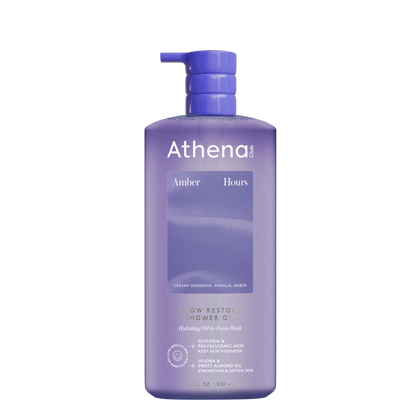
Now you're ready to fully commit to natural deodorant, but you'll want to support your skin through the transition. Start each morning with a proper cleanse—use a pH-balanced formula like Skin Replenishing Body Wash that cleanses without stripping your skin's natural protective barrier. The vitamin complex helps nourish your skin while you're washing away any buildup from the previous day.
Throughout this week, you might notice you're sweating a bit more than usual. That's completely normal and actually a good sign—your body is detoxing and your sweat glands are remembering how to do their job. Keep your skin clean and dry, and reapply your natural deodorant as needed. Yes, you might need to reapply mid-day during this phase, and that's totally okay.
Week Two: Building Your New Normal
Welcome to week two, where things start to settle down. Your body is adjusting, the bacterial balance is shifting in your favor, and you're finding your rhythm with your new routine.
Days 8-10: Exfoliation Is Your Friend
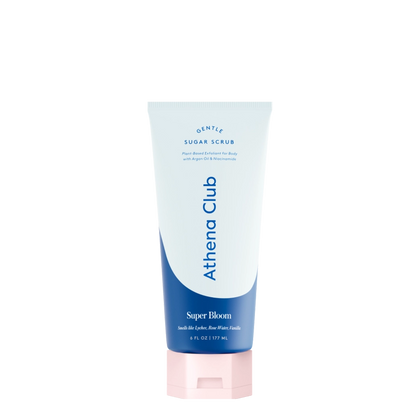
Here's a game-changer that many people skip: gentle exfoliation. Dead skin cells and product buildup can trap odor-causing bacteria, so once or twice this week, use Gentle Sugar Scrub on your underarms. The exfoliating formula helps slough away buildup and keeps the area fresh without irritating sensitive skin. Just be gentle—no aggressive scrubbing necessary.
Days 11-14: Finding Your Formula
By now, you should notice a significant improvement. Your body's natural odor might smell different than it did with antiperspirant, but it shouldn't be unpleasant. If you're still experiencing excess odor or irritation at this point, it might be time to reassess your product choice. Not all natural deodorants are created equal, and your skin might prefer one formulation over another.
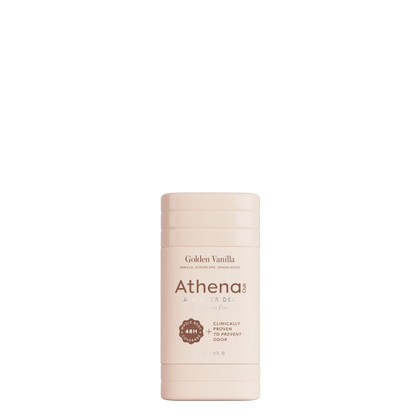
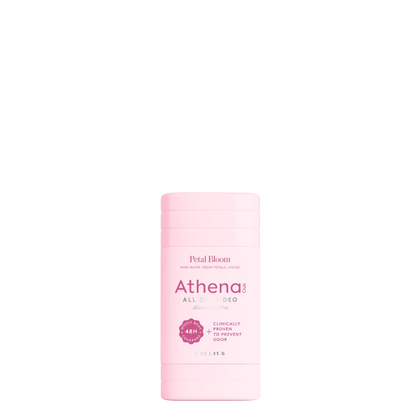
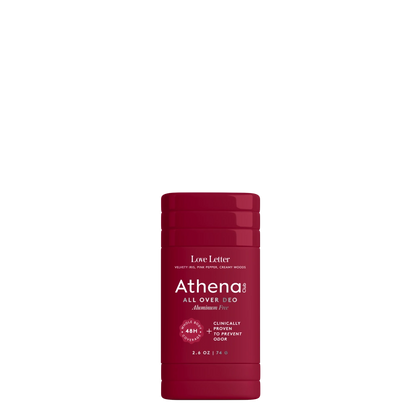
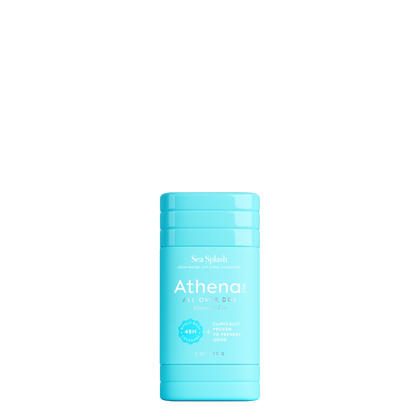
Consider trying All Over Deo, which offers 48 hours of aluminum-free protection and is gentle enough to use anywhere on your body. This Elle Magazine Canada Beauty Grand Prix winner has proven effective for countless people making the natural switch. Or, if you prefer a spray option, Full Body Deo Dry-Spray provides 24-hour odor control with rice starch that absorbs moisture without blocking your pores.
Pro Tips to Avoid the Dreaded Detox Rash
Redness, irritation, and that itchy, uncomfortable feeling? Nobody has time for that. Here's how to keep your pits happy throughout the transition:
Timing Matters
Apply your natural deodorant to completely clean, completely dry skin. If you're applying right after a shower, give your underarms a few minutes to air dry. Moisture trapped against your skin can lead to irritation and reduces the effectiveness of your deodorant.
Less Is More
You know that instinct to apply extra product when you're worried about odor? Fight it. Over-application can actually cause more irritation and doesn't improve effectiveness. A thin, even layer is all you need. Most natural deodorants are concentrated formulas that work best when applied sparingly.
Give Your Skin Breathing Room
If possible, plan your transition during a time when you can wear loose, breathable fabrics. Tight synthetic materials trap heat and moisture, creating an environment where odor-causing bacteria thrive. Natural fibers like cotton allow air circulation and give your skin the breathing room it needs during this adjustment period.
Watch Your Diet
Here's something that might surprise you: what you eat can affect how you smell. Foods high in sulfur (like garlic, onions, and cruciferous vegetables) can temporarily intensify body odor, especially during the detox phase when your body is already adjusting.3 You don't need to eliminate these healthy foods, but being mindful of your intake during weeks one and two can make the transition smoother. Staying well-hydrated also helps flush out toxins and can reduce odor.
What If You're Still Struggling After Two Weeks?
First of all, don't panic. Everyone's body is different, and some people need a bit more time to fully adjust—up to four weeks isn't unusual. But if you're experiencing persistent issues, here's what to consider:
Check Your Ingredients
Some people are sensitive to baking soda, a common ingredient in natural deodorants that can cause irritation. If you're experiencing redness or a burning sensation, try switching to a baking soda-free formula. Similarly, essential oils, while natural, can be irritating for some skin types.
Address Underlying Issues
Sometimes excessive sweating or persistent odor can indicate an underlying condition like hyperhidrosis or hormonal changes. If you've given the natural transition a fair shot and you're still struggling significantly, it's worth chatting with your healthcare provider to rule out other factors.
Know When to Pause
If you develop a significant rash, burning, or other concerning symptoms, give your skin a break. Sometimes taking a few days off from any deodorant while treating the irritation with gentle care allows your skin to reset. Then you can start fresh with a different formula or approach.
Beyond the Two-Week Mark: Maintaining Your Natural Routine
Congratulations—you've made it through the transition! Now it's all about maintaining your new normal. Most people find that natural deodorant actually works better for them after the adjustment period than their old antiperspirant ever did. Your body's natural processes are functioning as intended, and you're supporting rather than suppressing them.
Keep up with your cleansing routine, exfoliate your underarms weekly to prevent buildup, and reapply as needed throughout the day. You'll likely find that you need less product and fewer applications as time goes on. Your skin's microbiome has found its balance, and your sweat glands are no longer overcompensating.
Remember, switching to natural deodorant is just one part of creating a body care routine that actually feels good. When you use products that work with your body instead of against it, everything from your skin's texture to your overall wellness can improve. It's about those small, intentional choices that add up to a routine you actually look forward to—turning the everyday essentials into something special.
The Bottom Line
- The transition to natural deodorant takes about two weeks for most people, but you can minimize the awkward phase with the right approach
- Week one is all about gentle transition and supporting your body's adjustment—alternate products at first, then commit fully while keeping your skin clean and balanced
- Week two focuses on maintenance and finding your perfect formula—gentle exfoliation and proper application technique make all the difference
- If you're still struggling after two weeks, evaluate your product ingredients and consider trying a different formulation
- Once you've made the switch successfully, your body's natural balance will be restored and you'll likely find natural deodorant works even better than your old antiperspirant
Ready to level up your routine? Check out the Athena Club collection and find your new favorite.
Sources
- Mogilnicka, I., Bogucki, P., & Ufnal, M. (2020). Microbiota and malodor—etiology and management. International Journal of Molecular Sciences, 21(8), 2886.
- Callewaert, C., Lambert, J., & Van de Wiele, T. (2017). Towards a bacterial treatment for armpit malodour. Experimental Dermatology, 26(5), 388-391.
- Havlicek, J., & Lenochova, P. (2006). The effect of meat consumption on body odor attractiveness. Chemical Senses, 31(8), 747-752.


