









You've noticed your underarms looking a little darker than the rest of your skin, and now you're wondering if your shaving routine might be the culprit. The good news? The order in which you exfoliate and shave can actually make a real difference. Let's break down everything you need to know about preventing underarm darkening—from timing your exfoliation right to choosing tools that work with your skin, not against it.
Should I exfoliate before or after shaving my underarms?
Exfoliate before shaving, not after. Here's the thing: exfoliating before you shave clears away dead skin cells and lifts trapped hairs, giving your razor a clean, smooth surface to glide across. This means you'll get a closer shave with less friction and tugging—which is exactly what you want when preventing irritation and darkening.1
If you exfoliate after shaving, you're essentially scrubbing freshly shaved skin that's already a bit sensitive. That extra friction can lead to irritation, inflammation, and over time, post-inflammatory hyperpigmentation (the technical term for that darkening effect). Think of exfoliating as prepping the canvas before you paint—it just makes everything else work better.
How does exfoliating before shaving prevent underarm darkening?
Honestly, it's all about reducing friction and preventing ingrown hairs. When dead skin cells build up on your underarms, your razor has to work harder to cut through hair, which can cause micro-irritation. That repeated irritation triggers your skin to produce more melanin as a protective response, leading to darker-looking underarms over time.2
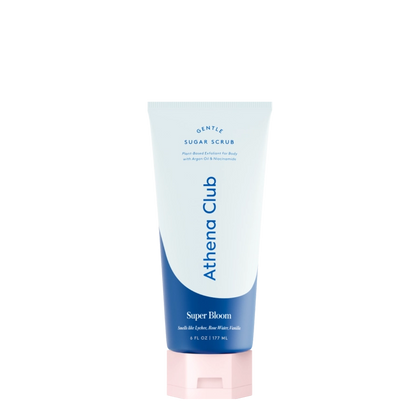
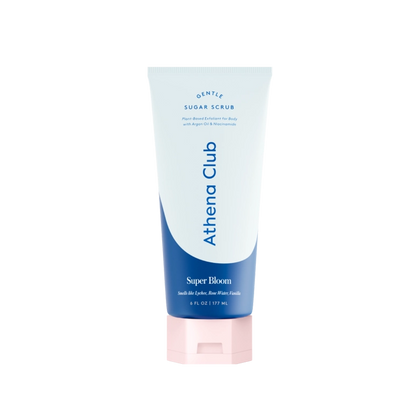
Exfoliating beforehand removes that buildup, so your blade glides smoothly without dragging or pulling. Plus, it prevents hairs from getting trapped under the skin's surface—those ingrown hairs create inflammation and dark spots that can stick around for weeks. Our Gentle Sugar Scrub is perfect for this pre-shave step, buffing away dead skin without being too harsh on the delicate underarm area.
What causes underarm darkening in the first place?
The short answer is: a combination of friction, irritation, and sometimes your product choices. Constant rubbing from tight clothing, aggressive shaving techniques, and even certain deodorants can all darken the underarm area. When your skin experiences repeated irritation or inflammation, it responds by producing extra melanin—it's basically your skin trying to protect itself.2
Dead skin cell buildup also plays a role. If you're not regularly exfoliating, those cells accumulate and can make the area look dull or darker than it actually is. Sometimes it's not true pigmentation—it's just a layer of gunk that needs to be buffed away. Other factors include shaving with dull razors, using harsh products, and even hormonal changes that affect melanin production.
How often should I exfoliate my underarms?
Two to three times a week is the sweet spot for most people. You want to exfoliate regularly enough to keep dead skin at bay, but not so often that you irritate the skin. The underarm area is more sensitive than, say, your legs or arms, so overdoing it can actually backfire and cause the very darkening you're trying to prevent.
Listen to your skin—if it feels raw or looks red after exfoliating, pull back to once or twice a week. On the days you're not exfoliating, you can still shave, just make sure you're using a sharp, quality razor and a good shave prep product. And always exfoliate on the days you plan to shave for that smooth, irritation-free result.
What's the best way to exfoliate underarms before shaving?
Keep it gentle and methodical. Start in the shower when your skin is warm and slightly softened—this makes exfoliation more effective and comfortable. Use a physical exfoliant like a sugar scrub and massage it onto damp underarms using circular motions for about 30 seconds on each side. You're not trying to scrub super hard; gentle, consistent pressure is all you need.
Rinse thoroughly, then move right into your shave routine. The Gentle Sugar Scrub works beautifully for this because it's effective without being abrasive. After exfoliating, apply a shave prep product—either Glossy Shave Oil with its SKINCLOUD™ technology or Fluffy Shave Butter (which won Allure's Best of Beauty Award in both 2024 and 2025) to create a protective barrier between your skin and the razor.
Can shaving itself cause underarm darkening?
Yes, but only if you're doing it in a way that irritates your skin. Shaving with a dull razor, going over the same area repeatedly, shaving dry skin, or using too much pressure can all cause friction and inflammation that leads to darkening over time. The actual act of cutting hair at the skin's surface doesn't darken your underarms—it's the irritation from poor technique or low-quality tools that does it.1
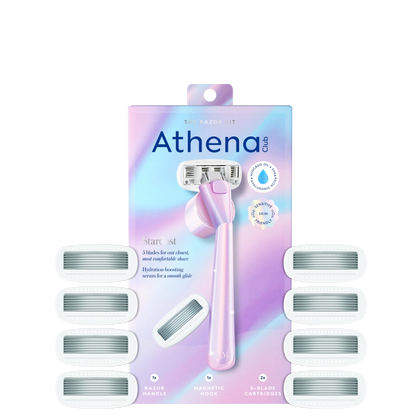
This is where your razor quality really matters. A multi-blade razor that's designed to glide smoothly makes a huge difference. The Razor Kit features five spaced-out blades that follow your curves, plus a hyaluronic acid serum strip and shea butter-enhanced blades that help minimize friction. Good Housekeeping found it delivered 89% single-pass shaving, which means less going over the same spot and less irritation overall.
What should I do after shaving to prevent darkening?
Pat your underarms dry gently—no rubbing—and give your skin a few minutes to calm down before applying anything. Once your underarms are completely dry, you can apply deodorant. The key is avoiding anything that might irritate freshly shaved skin right away.
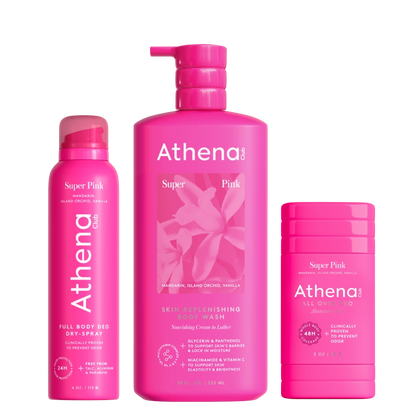
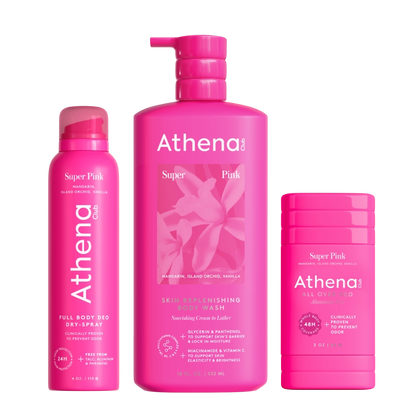
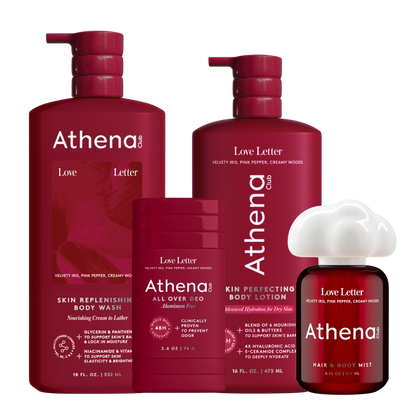
Choose a gentle, aluminum-free deodorant that won't cause additional irritation. Our All Over Deo, which won Elle Magazine Canada's Beauty Grand Prix in 2025, offers 48-hour protection without aluminum and is gentle enough for just-shaved skin. Skip tight clothing for a few hours if you can—giving your skin some breathing room helps prevent friction and irritation. And whatever you do, don't exfoliate after shaving. Your skin needs to recover, not be scrubbed again.
Are there ingredients I should avoid on my underarms?
Definitely. Alcohol-based products can be super drying and irritating, especially on freshly shaved skin. Heavily fragranced deodorants and body products can also trigger irritation in some people—that delicate underarm skin is more reactive than you might think. Some people also find that aluminum-based antiperspirants can contribute to darkening, though the research on this is mixed.3
Harsh physical exfoliants with jagged particles (like some apricot scrubs) can create micro-tears in the skin, leading to inflammation and potential darkening. Stick with smoother exfoliants and gentle, pH-balanced products. The Skin Replenishing Body Wash, which also won Elle Magazine Canada's Beauty Grand Prix in 2025, has a pH-balanced formula with a vitamin complex that cleanses without stripping or irritating—perfect for keeping your underarms clean without causing issues.
How long does it take to see improvement in underarm darkening?
You'll likely start noticing a difference in about four to six weeks if you're consistent with a gentle routine. That's roughly how long it takes for your skin to go through a complete cell turnover cycle. The dead, dull skin cells that are making your underarms look darker will gradually be replaced by fresh, healthy cells—but only if you stop irritating the area.
Some of the darkness you're seeing might just be buildup, and that can improve much faster—sometimes within a week or two of regular, gentle exfoliation. But true hyperpigmentation takes longer to fade. The key word here is "gentle." Being too aggressive in hopes of faster results will only set you back. Stick with your routine, be patient, and focus on prevention moving forward.
Does the type of razor I use really matter for preventing darkening?
It matters more than you might think. A quality multi-blade razor with sharp blades and built-in moisturizing features reduces the friction and tugging that leads to irritation and darkening. Dull, cheap razors force you to go over the same area multiple times and apply more pressure—both of which irritate the skin and can trigger that melanin response.
Look for razors designed to glide smoothly and follow your body's contours. The Razor Kit was named Allure's Best Razor for Sensitive Skin in 2025 for good reason—the five-blade design with spaced-out blades, hyaluronic acid serum strip, and shea butter-enhanced blades all work together to minimize irritation. Plus, the premium aluminum handle with non-slip silicone coating gives you better control, so you're not pressing too hard or fumbling around. Better control means less irritation, which means less darkening.
Should I moisturize my underarms daily even if I'm not shaving?
Yes, keeping your underarms moisturized helps maintain your skin barrier and can actually prevent some of the dryness and irritation that contributes to darkening. You don't need a special underarm moisturizer—a gentle, fragrance-free body lotion works perfectly fine. Just make sure your underarms are completely clean and dry before you apply deodorant over it.
Think of moisturizing as maintenance for your prevention routine. Hydrated skin is healthier, more resilient skin that's better equipped to handle the daily wear and tear of shaving, deodorant, and clothing friction. Apply moisturizer at night before bed when you're not wearing deodorant, so your skin can really soak it in and do its repair work overnight.
Quick Answers
- Always exfoliate before shaving, not after—it preps your skin for a smoother, less irritating shave
- Aim to exfoliate your underarms 2-3 times per week to prevent buildup without overdoing it
- Use a quality multi-blade razor with moisturizing features to minimize friction and irritation
- Skip harsh ingredients like alcohol and rough physical exfoliants that can damage sensitive underarm skin
- Give your routine 4-6 weeks of consistency before expecting to see significant improvement in darkening
- Keep underarms moisturized daily and choose gentle, aluminum-free deodorants
Ready to upgrade your self-care routine? Explore the full Athena Club collection and discover what works for you.
Sources
- American Academy of Dermatology Association. "How to prevent skin irritation from shaving." AAD.org. Accessed 2024.
- Cleveland Clinic. "Dark Underarms: Causes and Treatments." Cleveland Clinic Health Library. Accessed 2024.
- Vashi, N. A., & Kundu, R. V. "Facial hyperpigmentation: causes and treatment." British Journal of Dermatology, 2013.


