












If you've ever dealt with those annoying red bumps, razor burn, or ingrown hairs after shaving your bikini line, you're definitely not alone. The truth is, when and how you exfoliate can make a huge difference in whether you get that smooth, irritation-free finish or end up with uncomfortable bumps. Let's talk through the most common questions about exfoliating and shaving down there—because getting it right shouldn't feel like guesswork.
Should you exfoliate before or after shaving your bikini line?
The short answer: exfoliate before shaving, not after. Here's why—exfoliating beforehand clears away dead skin cells and lifts trapped hairs, which helps your razor glide more smoothly and cuts down on the chances of ingrown hairs.1 When you exfoliate after shaving, you're essentially scrubbing freshly shaved, already-sensitized skin, which can lead to irritation and redness. Think of exfoliating as prepping the canvas before you paint. You want a clean, smooth surface so your razor can do its job without getting caught on rough patches or having to go over the same spot multiple times.
How long before shaving should you exfoliate?
Honestly, you don't need to plan this down to the minute. Exfoliating right before you shave—like, in the same shower session—works perfectly fine. Just make sure you rinse thoroughly after exfoliating so there's no gritty residue that could interfere with your shave. Some people prefer to exfoliate, rinse, let their skin settle for a minute or two, and then move on to shaving. The key is keeping it all in one routine so your skin is prepped and ready without having time to build up oils or sweat again.
What's the best way to exfoliate your bikini line?
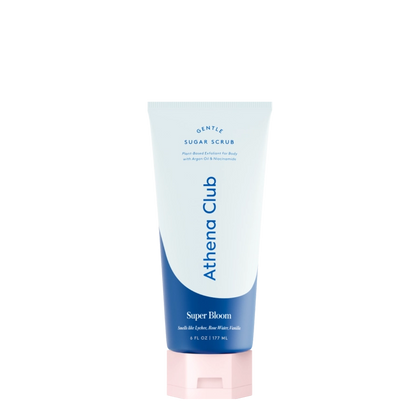
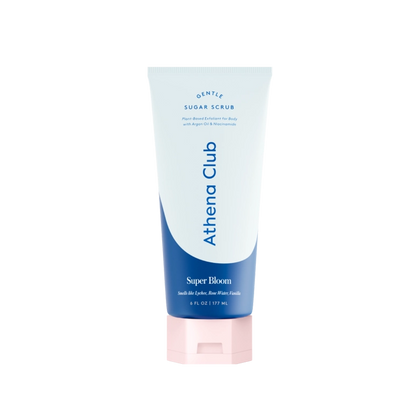
Go gentle, always. The bikini area has thinner, more sensitive skin than, say, your legs or arms, so you want something that exfoliates without being too abrasive.2 A sugar scrub is ideal because the granules dissolve as you massage them in, giving you effective exfoliation without the harshness. Try our Gentle Sugar Scrub—it's designed to prep your skin for a smooth shave. Use circular motions with light pressure, focusing on areas where you tend to get bumps or ingrowns. And remember, you're not trying to scrub away layers of skin—just buffing away the dead cells sitting on the surface.
Can you over-exfoliate your bikini area?
Absolutely, and it's more common than you'd think. Over-exfoliating strips away too much of your skin's natural protective barrier, leaving it raw, irritated, and actually more prone to razor burn and infection.3 Signs you've overdone it include stinging, excessive redness, or skin that feels tight and uncomfortable. For the bikini line, exfoliating 2-3 times per week is plenty—and that includes the times you're prepping to shave. If you shave every day, you don't need to exfoliate every single time. Listen to your skin. If it's feeling sensitive or looks inflamed, skip the exfoliation and just cleanse gently before shaving.
What should you use to shave after exfoliating?
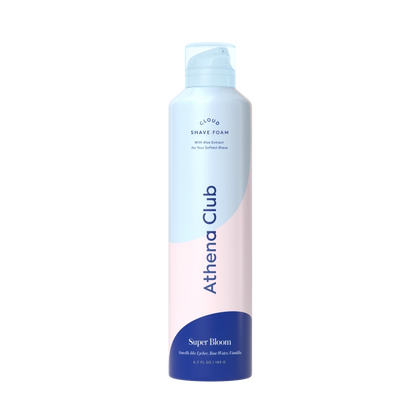
Once you've exfoliated, you want a shaving product that's going to protect and hydrate your skin while you shave. Skip the basic soap or body wash—they don't provide enough slip, which means more friction and irritation. Our Glossy Shave Oil is a game-changer here. It's an oil-serum hybrid with SKINCLOUD™ technology that lets you see exactly where you're shaving while keeping your razor gliding smoothly. If you prefer something thicker and creamier, the Fluffy Shave Butter (which won Allure's Best of Beauty Award in 2024 and 2025) gives you that cushiony, protective layer with rosemary leaf extract to soothe as you go.
Does the type of razor matter after exfoliating?
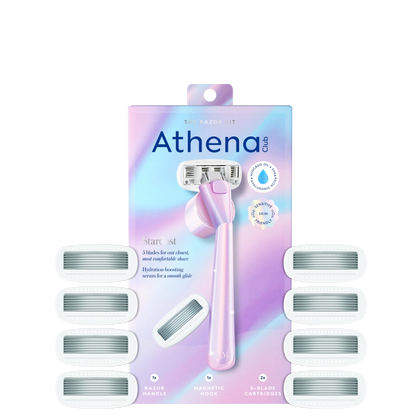
It really does. After you've prepped your skin with exfoliation, you want a razor that's sharp, clean, and designed to work with your body's curves—not against them. A dull or low-quality razor will tug at hairs and require multiple passes, which increases irritation no matter how well you've prepped. Our Razor Kit features a 5-blade design with spaced-out blades that follow your curves, plus a hyaluronic acid serum strip and shea butter-enhanced blades that add extra slip and hydration. It was named Allure's Best Razor for Sensitive Skin in 2025, and Good Housekeeping found it delivers 89% single-pass shaving—meaning fewer strokes and less chance of irritation.
Should you moisturize after shaving your bikini line?
Yes, and don't skip this step. After shaving, your skin needs to restore moisture and calm down any potential inflammation. Pat your skin dry gently—no rough towel action—and apply a fragrance-free, gentle moisturizer or soothing oil. Avoid anything with heavy fragrances, alcohol, or harsh actives right after shaving, as they can sting and cause irritation. Think of post-shave care as locking in all the work you did with proper prep. Your skin will thank you with fewer bumps and a smoother, more comfortable feel.
What causes razor bumps and ingrown hairs on the bikini line?
Razor bumps and ingrown hairs happen when hair grows back into the skin instead of growing outward, often because the hair shaft was cut at an angle or because dead skin cells trapped it beneath the surface.1 The bikini area is especially prone to this because the hair there tends to be coarser and curlier, and the skin is more delicate. That's exactly why exfoliating before shaving is so important—it clears the path for hair to grow back properly. Using a sharp, quality razor and shaving in the direction of hair growth (not against it) also helps minimize those pesky bumps.
Can you exfoliate if you already have razor bumps?
Here's the thing—if you already have active razor bumps or irritation, you should hold off on exfoliating until your skin calms down. Exfoliating inflamed skin will only make things worse and could even lead to scarring or infection. Instead, focus on gentle cleansing and soothing the area with a fragrance-free moisturizer or aloe. Once the bumps have healed and your skin looks and feels normal again, you can resume your exfoliation routine. Moving forward, regular (but not excessive) exfoliation before shaving can help prevent those bumps from coming back.
Is it better to exfoliate with a scrub or a washcloth?
Both can work, but they're not equal. A washcloth gives you very mild exfoliation, which might not be enough to truly prep the bikini area and prevent ingrowns. A dedicated exfoliating scrub—especially one with sugar or another gentle abrasive—does a better job at sloughing away dead skin without being too harsh. If you do use a washcloth, make sure it's clean (bacteria buildup is real) and use gentle circular motions. But honestly, a quality scrub like our Gentle Sugar Scrub is going to give you more consistent, effective results with less effort.
Should you cleanse your bikini line before exfoliating?
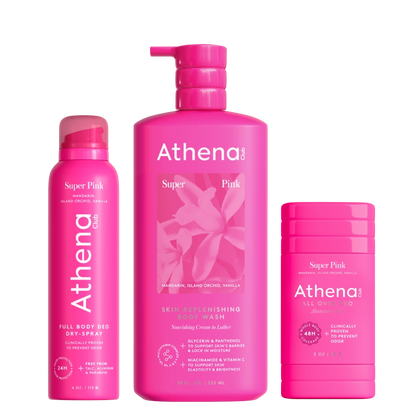
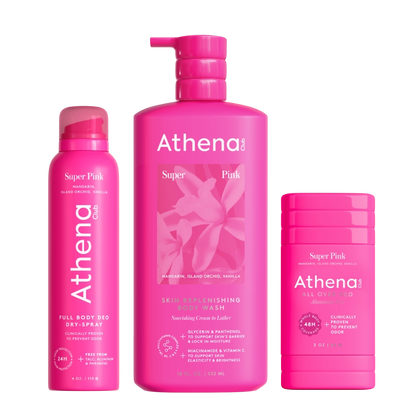
Definitely. You want to start with clean skin so your exfoliant can work directly on dead skin cells, not on a layer of sweat, oils, or product buildup. Use a gentle, pH-balanced body wash—our Skin Replenishing Body Wash cleanses and nourishes without stripping your skin, which is perfect for prepping before exfoliation. It won Elle Magazine Canada's Beauty Grand Prix in 2025, so you know it's good. Just lather up, rinse thoroughly, then move on to your exfoliating step. This two-step approach ensures you're getting the most out of both products.
How can you tell if your exfoliation routine is working?
Your skin will tell you. If your exfoliation routine is on point, you should notice smoother skin, fewer ingrown hairs, and less irritation after shaving. Your razor should glide more easily, and you shouldn't need to go over the same spot multiple times. If you're still dealing with constant bumps, redness, or ingrowns, it might be time to reassess—either you're not exfoliating enough, you're overdoing it, or another part of your shave routine (like a dull razor or harsh products) needs attention. The goal is skin that feels smooth and looks clear, not red or inflamed.
Quick Answers
- Always exfoliate before shaving, not after—it preps your skin and helps prevent ingrown hairs and irritation
- Use a gentle sugar scrub with light, circular motions on the bikini line—this area needs a delicate touch
- Exfoliate 2-3 times per week max; over-exfoliating strips your skin's protective barrier and causes more problems
- Follow up with a quality shaving oil or butter and a sharp, multi-blade razor designed for sensitive skin
- Skip exfoliating if you already have razor bumps—let your skin heal first, then resume your routine
- Always cleanse before exfoliating, and moisturize after shaving to lock in hydration and calm your skin
Ready to upgrade your self-care routine? Explore the full Athena Club collection and discover what works for you.
Sources
- American Academy of Dermatology Association. "How to prevent razor bumps." AAD.org, https://www.aad.org/public/everyday-care/skin-care-basics/hair/prevent-razor-bumps
- Cleveland Clinic. "The Do's and Don'ts of Exfoliation." Health Essentials, 2022, https://health.clevelandclinic.org/dos-and-donts-of-exfoliation
- Mayo Clinic. "Skin care: 5 tips for healthy skin." Mayo Clinic, https://www.mayoclinic.org/healthy-lifestyle/adult-health/in-depth/skin-care/art-20048237


