



































You step out of the shower feeling fresh, reach for your razor, and then—wait. Is that a little orange tinge on the blades? Or maybe you've noticed your razor doesn't glide quite as smoothly as it used to, even though you just replaced the blade last week. Here's the thing: bacteria and buildup love to call your razor home, and where you store it plays a bigger role than you might think. Let's get into what's really happening with those blades and how to keep them cleaner, longer.
What actually causes bacteria to build up on razor blades?
Honestly, it's a perfect storm of moisture, dead skin cells, and leftover product. Every time you shave, tiny bits of skin, hair, and whatever shaving cream or oil you're using get trapped between those blades. Add in the warm, humid environment of your shower, and you've basically created a bacteria buffet.1 The moisture doesn't evaporate quickly enough, so bacteria that naturally exist on your skin start multiplying on the blade surface. It's not about you being dirty—it's just biology doing its thing in less-than-ideal conditions.
How does bathroom humidity affect my razor?
The short answer? Humidity is your razor's worst enemy. That steamy, warm bathroom air after a hot shower keeps your razor blades wet way longer than they should be. When blades stay damp, bacteria thrive and metal components can start to oxidize—that's the rust or discoloration you might notice.2 Think about it: your bathroom basically becomes a tropical climate for microbes. Even if you rinse your razor thoroughly, all that ambient moisture in the air means the blades never fully dry between uses. This is why storage location matters so much more than most people realize.
Is it really that bad to leave my razor in the shower?
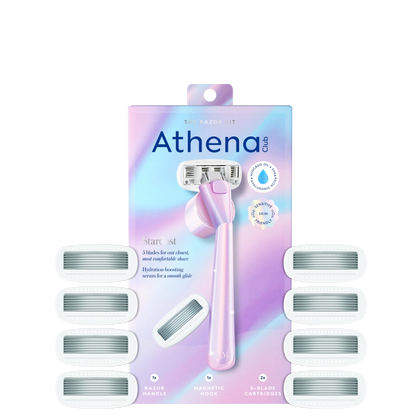
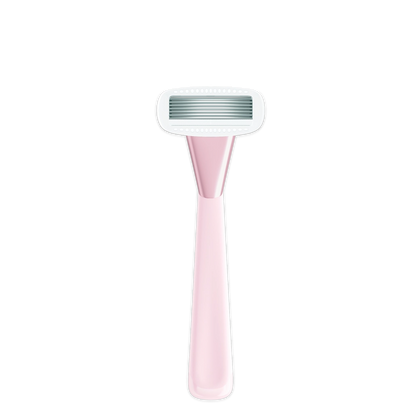
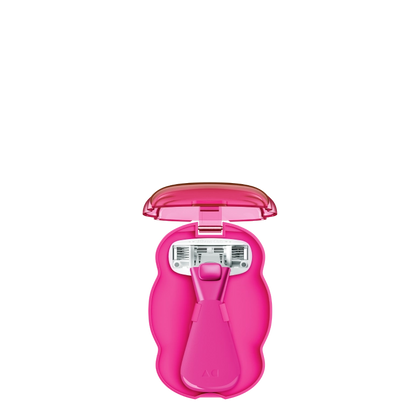
Here's the real talk: leaving your razor in the shower is pretty much the worst place for it. Between the constant humidity, water splashing on it from other people's showers, and soap scum floating around, your blades are under attack from every angle. Plus, if your razor is sitting in a puddle or hanging in a spot where water drips on it, you're looking at faster blade degradation and more bacterial growth.1 The Razor Kit comes with a magnetic hook that lets you store it outside the shower stream, which helps—but ideally, you'd move it out of the bathroom altogether between shaves.
What's the ideal way to store a razor to minimize bacteria?
The best storage situation is cool, dry, and away from direct water exposure. After rinsing your razor thoroughly under hot water to clear out debris, give it a good shake and pat it dry with a clean towel. Then store it in a spot with good airflow—a medicine cabinet, a drawer with ventilation, or even on your bathroom counter if it's not directly in the splash zone. Some people swear by storing razors in a cup of rubbing alcohol between uses, though that's definitely extra-credit territory. The key is getting those blades completely dry and keeping them that way until your next shave.
How often should I actually be replacing my razor blades?
Most experts recommend swapping blades every 5-7 shaves, but honestly, your skin will tell you when it's time.3 If you're noticing tugging, irritation, or that your razor just isn't gliding smoothly anymore, don't push it. Dull blades make you press harder, which increases the risk of nicks and irritation. With the Razor Kit, the 5-blade design with hyaluronic acid serum strip actually helps blades last a bit longer while staying gentle, but even premium blades need regular replacing. Think of it as a small investment in your skin's happiness.
Can the products I use affect bacteria buildup?
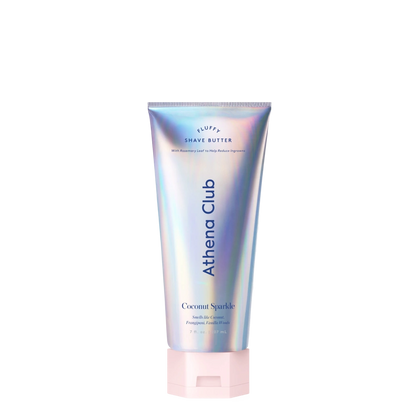
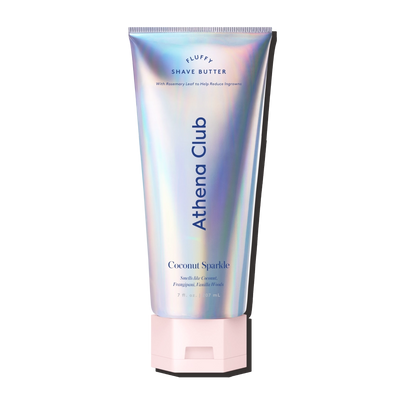
Absolutely. Thick, heavy shaving creams can leave more residue between blades compared to lighter formulas. That buildup creates more surface area for bacteria to cling to and makes it harder to rinse everything clean. This is where something like Glossy Shave Oil or Fluffy Shave Butter makes a difference—they're formulated to rinse clean while still giving you that protective glide. The Fluffy Shave Butter even won Allure's Best of Beauty Award two years running, and part of that is because the formula doesn't gunk up your blades while delivering a super smooth shave.
What are those orange or brown spots on my razor blades?
That discoloration is usually rust, which happens when the metal in your blades oxidizes from prolonged moisture exposure. It can also be a buildup of minerals from hard water mixed with soap scum and skin cells. Either way, once you see those spots, it's time to replace the blade—you don't want to be dragging oxidized metal or bacterial buildup across your skin.2 Prevention is way easier than trying to clean rusty blades. Keeping your razor dry between uses and storing it properly will help you avoid this issue altogether.
Does rinsing my razor after shaving actually do anything?
Yes, but only if you do it right. A quick rinse under lukewarm water isn't going to cut it. You need to rinse thoroughly under hot running water, moving the razor back and forth to dislodge trapped hair and product from between the blades. Some people even use an old toothbrush to gently brush away stubborn debris—just make sure it's designated for razor cleaning only. The goal is to remove as much organic material as possible so bacteria have less to feed on. Then, and this is crucial, shake off excess water and let it dry completely before storing.
Is there a connection between razor bacteria and skin irritation?
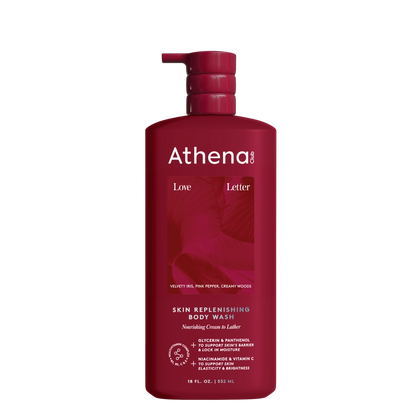
Definitely. When you shave, you're creating microscopic openings in your skin. If your razor is harboring bacteria, you're essentially dragging those microbes across vulnerable skin, which can lead to folliculitis (those annoying red bumps), razor burn, or even infections.1 This is especially true if you're shaving sensitive areas. Starting with clean, properly prepped skin helps too—using something like the Skin Replenishing Body Wash before shaving ensures you're working with a clean canvas. But even the best pre-shave routine won't help if your razor itself is the problem.
Should I be disinfecting my razor between uses?
For most people, a thorough rinse and proper drying is enough for daily maintenance. But if you're prone to breakouts or have sensitive skin, an occasional disinfection isn't a bad idea. You can dip your razor in rubbing alcohol for 30 seconds, or soak it in a mixture of hot water and a few drops of tea tree oil. Just make sure to rinse and dry it afterward. The important thing is not skipping the basics—if you're disinfecting but then leaving your razor in a puddle in the shower, you're kind of missing the point.
How does blade quality affect bacteria buildup?
Higher-quality blades with better spacing and coatings actually do resist buildup better. When blades are spaced too close together, hair and product get trapped more easily. The Razor Kit features strategically spaced blades that follow your curves while making it easier to rinse clean. Plus, the shea butter-enhanced blades and hyaluronic acid serum strip mean you need less product to get a smooth shave, which translates to less residue. It's not just marketing—Good Housekeeping found that 89% of users could shave effectively in a single pass, which also means less repeated strokes and less irritation.
What about shared razors—how risky is that really?
Here's where I'm going to sound like your mom, but please don't share razors. Ever. You're not just sharing bacteria—you're potentially sharing blood-borne pathogens if there's any nicking involved. Everyone's skin microbiome is different, and introducing bacteria from someone else's skin to yours is asking for trouble. This goes double for facial razors or razors used on more sensitive body areas. If you live with a partner or roommate, invest in separate razors. Your skin (and your relationship) will thank you.
Quick Answers
- Bacteria thrive on razors because of trapped moisture, dead skin cells, and product residue—especially in humid bathrooms
- Never store your razor in the shower; keep it in a cool, dry place with good airflow instead
- Rinse thoroughly under hot water after every use, shake dry, and store properly to minimize buildup
- Replace blades every 5-7 shaves or whenever you notice tugging, irritation, or discoloration
- Orange or brown spots mean rust or mineral buildup—time for a new blade
- Quality matters: well-spaced blades with proper coatings resist buildup better and rinse cleaner
- Never, ever share razors—you're sharing bacteria and potential pathogens along with them
Taking care of your razor isn't complicated, but it does require a little intentionality. The difference between a razor that stays fresh and one that becomes a bacteria hotel really comes down to those post-shave habits and where you're stashing it between uses. When you pair smart storage with quality tools—like a razor designed to rinse clean and stay sharp longer—you're setting yourself up for consistently better shaves and healthier skin.
Ready to upgrade your self-care routine? Explore the full Athena Club collection and discover what works for you.
Sources
- American Academy of Dermatology Association. "How to Prevent Razor Bumps and Ingrown Hairs." AAD.org
- International Journal of Trichology. "Shaving and Its Effects on Skin Health." 2012; 4(2): 78-83
- Mayo Clinic. "Shaving: Tips for a Smooth, Safe Shave." MayoClinic.org


