

































If you've ever noticed your inner thighs looking darker than the rest of your legs, you're not alone—and you're probably wondering what's going on. The truth is, this super common concern has a few culprits, and one of them might be sitting in your shower right now. Let's talk about what causes dark inner thighs and why your razor might actually be making things worse.
What causes dark inner thighs in the first place?
The short answer is friction, hormones, and sometimes how you shave. When your thighs rub together—whether you're walking, running, or just going about your day—it creates constant friction that can trigger your skin to produce more melanin as a protective response.1 This is called post-inflammatory hyperpigmentation, and it's your skin's way of defending itself. Hormonal changes, like those during pregnancy or from certain medications, can also darken the skin in this area. And here's the kicker: if you're shaving without proper prep or using a dull blade, you're adding irritation on top of friction, which can make the darkening even more noticeable.
Can shaving actually make my inner thighs darker?
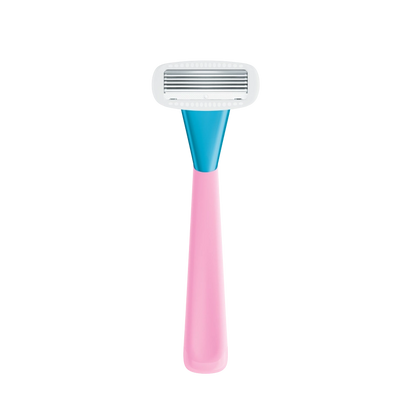
Honestly? Yes, but only if you're doing it wrong. Shaving itself doesn't directly darken your skin, but the irritation from a dull razor, dry shaving, or using too much pressure absolutely can. Every time you shave with a blade that's past its prime, you're creating micro-abrasions and inflammation that tell your skin to produce more pigment.2 Think of it like this: irritation equals darkening over time. The good news is that switching to a sharp, well-designed razor like the Razor Kit—which features five spaced-out blades and a hyaluronic acid serum strip—can make a huge difference. Those thoughtfully spaced blades reduce the need for multiple passes, which means less irritation and a smoother glide.
How does friction between my thighs cause darkening?
Here's the thing: your inner thighs are a high-friction zone. When skin rubs against skin repeatedly, it gets irritated and inflamed, even if you don't feel it happening. Your body responds by sending melanin to the area as a defense mechanism, which leads to that darker appearance over time.1 This process, called friction melanosis, is completely natural and happens to people of all skin tones—though it's often more visible on deeper skin tones. Wearing breathable fabrics, keeping the area moisturized, and reducing unnecessary irritation (like from harsh shaving) can all help minimize friction-related darkening.
Is it normal for the skin between my thighs to be a different color?
Totally normal. Your inner thighs, underarms, and other areas that experience friction or hormonal influence often have slightly different pigmentation than the rest of your body. It's not a flaw or something that needs to be "fixed"—it's just how skin works. That said, if you notice sudden or dramatic changes in skin tone, or if the area feels uncomfortable, it's worth checking in with a dermatologist to rule out any underlying conditions. But for the most part, some variation in skin tone is just part of being human.
What's the right way to shave my inner thighs without causing irritation?
Start with clean, slightly damp skin—never shave completely dry. Use a shave prep product that creates a protective barrier between your skin and the blade. Our Glossy Shave Oil, an oil-serum hybrid with SKINCLOUD™ technology, gives you that smooth, just-glided-on feeling while protecting your skin from irritation. Shave in the direction of hair growth when possible, and don't press down hard—let the razor do the work. Rinse your blade after every stroke to prevent buildup, and always finish with a gentle moisturizer to lock in hydration. The key is treating this sensitive area with the care it deserves, not rushing through it.
How often should I replace my razor blades?
A dull blade is one of the biggest reasons people experience irritation and darkening. You should swap out your blade every 5-7 shaves, or sooner if you notice tugging or discomfort.3 Think about it: a dull razor requires more pressure and multiple passes to get the job done, which means more friction and more opportunity for irritation. The Razor Kit makes this easy with a convenient subscription option, so you never have to wonder if your blade is past its prime. Fresh blades mean cleaner cuts, less irritation, and healthier-looking skin over time.
Does exfoliating help with dark inner thighs?
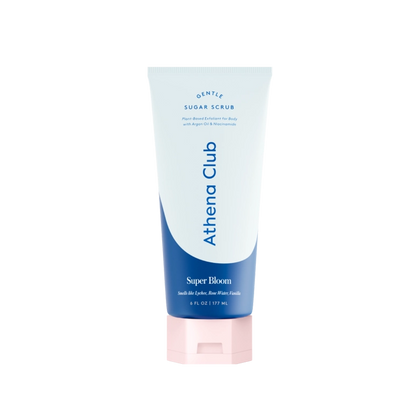
It can, but gentle is the operative word here. Exfoliating helps remove dead skin cells that can make darkened areas look dull or uneven, but over-exfoliating can actually increase irritation and make things worse. Use a gentle exfoliant like the Gentle Sugar Scrub once or twice a week before shaving to prep your skin and create a smoother surface. This helps prevent ingrown hairs and allows your razor to glide more easily. Just don't go overboard—your skin needs time to heal and regenerate between exfoliation sessions.
What's the deal with shaving cream versus shaving oil?
Great question. Traditional shaving creams create a foamy barrier, but they don't always provide enough slip for sensitive areas like your inner thighs. Shaving oils, on the other hand, give you a super smooth glide while letting you see exactly where you're shaving. Our Glossy Shave Oil is designed specifically for this—it's an oil-serum hybrid that protects and nourishes while you shave. If you prefer something thicker, the Fluffy Shave Butter, which won the Allure Best of Beauty Award in 2024 and 2025, offers a creamy formula with rosemary leaf extract that cushions every stroke. Both work beautifully; it's really about what texture you prefer.
Can body wash help improve the appearance of dark inner thighs?
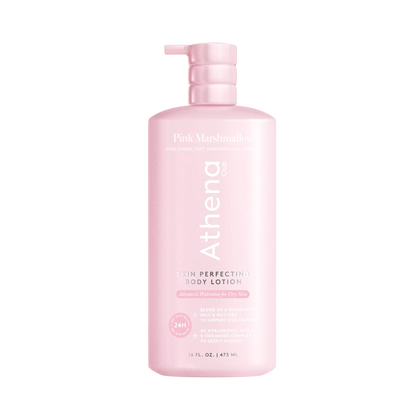
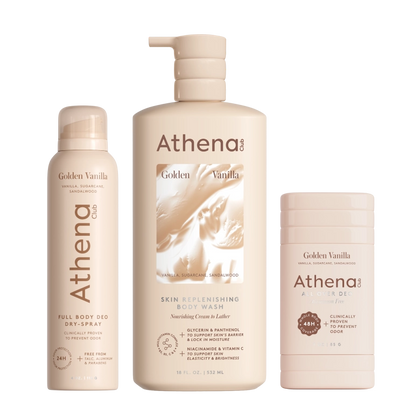
While body wash alone won't lighten hyperpigmentation, using a pH-balanced, nourishing formula can support overall skin health and prevent further irritation. The Skin Replenishing Body Wash, which won the Elle Magazine Canada Beauty Grand Prix in 2025, cleanses and nourishes with a vitamin complex that keeps your skin barrier happy. Healthy, well-moisturized skin is better equipped to heal and regenerate, which can gradually improve the appearance of darkened areas over time. Just remember: consistency is key, and real change happens slowly.
Are there any ingredients I should look for to help with hyperpigmentation?
When it comes to addressing hyperpigmentation on your body, ingredients like vitamin C, niacinamide, and gentle exfoliants can help over time. But here's the reality: body skin is thicker than facial skin, so results take longer and consistency matters more than any single miracle ingredient. Focus first on preventing further darkening by reducing irritation—that means sharp razors, proper shave prep, and keeping the area moisturized. If you want to add targeted treatments, look for body lotions or serums with brightening ingredients, and give them at least a few months to show results. Patience is your friend here.
Will dark inner thighs go away on their own?
Sometimes, yes—especially if the darkening was caused by a temporary factor like irritation from a dull razor or a hormonal fluctuation. If you eliminate the source of irritation and take good care of your skin, you might see gradual lightening over several months. But if the darkening is from years of friction or deeper hormonal causes, it might not completely disappear without targeted treatment. The most important thing is to stop making it worse. Upgrade your shaving routine, minimize friction where you can, and be patient with your skin. Progress might be slow, but it's definitely possible.
What else can I do besides changing my shaving routine?
Beyond better shaving habits, think about reducing friction in your daily life. Wear moisture-wicking fabrics during workouts, choose breathable cotton underwear, and consider using an anti-chafing product if you're going to be active. Keeping the area clean and dry—without over-washing—also helps prevent irritation. And don't forget about overall hydration and skin health: drinking enough water and moisturizing regularly makes a difference. Our All Over Deo, which won the Elle Magazine Canada Beauty Grand Prix in 2025, offers 48-hour aluminum-free protection and can be used anywhere, including your inner thighs, to help manage moisture and friction. Small changes add up over time.
Quick Answers
- Dark inner thighs are usually caused by friction, hormones, or irritation from shaving—not poor hygiene or anything you're doing wrong.
- Dull razors and improper shaving technique create irritation that can darken skin over time through post-inflammatory hyperpigmentation.
- Replace your razor blade every 5-7 shaves and always use a protective shave prep product to minimize irritation.
- Gentle exfoliation once or twice a week can help, but don't overdo it—more isn't better when it comes to sensitive skin.
- Reducing friction with breathable fabrics and keeping skin moisturized makes a real difference alongside a better shaving routine.
- Be patient—hyperpigmentation fades slowly, but preventing further irritation is the most important first step.
Ready to upgrade your self-care routine? Explore the full Athena Club collection and discover what works for you.
Sources
- American Academy of Dermatology Association. "Acanthosis nigricans: Diagnosis and treatment." AAD.org
- Cleveland Clinic. "Post-Inflammatory Hyperpigmentation." Cleveland Clinic Health Library, 2023.
- American Academy of Dermatology Association. "How to prevent razor burn." AAD.org


