


















You know that moment when you notice your underarms looking darker than the rest of your skin, and you can't figure out why? You're not imagining things—and you're definitely not alone. If you've been loyal to your deodorant but noticed some unwanted discoloration creeping in, there's a good chance your go-to product is part of the story. Here's the thing: deodorant buildup is sneakier than you'd think, and it can actually contribute to darkening under your arms. But before you panic, let's break down what's really happening and how to get your skin back to its happy, even-toned self.
Why Does Deodorant Buildup Actually Happen?
Let's be real—most of us swipe on deodorant and don't think twice about it. But over time, those daily applications can create layers of product that don't fully wash away. Traditional deodorants and antiperspirants contain ingredients like aluminum compounds, oils, waxes, and fragrances that are designed to stick around (that's kind of the point, right?). The problem is they stick around a little too well.1
When you apply deodorant day after day without fully removing the previous layer, it creates a buildup that mixes with your natural oils, dead skin cells, and sweat. This combination can form a stubborn residue that clings to your skin and even your clothes. Think of it like applying lotion over lotion over lotion—eventually, things get a bit... gunky. That buildup doesn't just feel unpleasant; it can also trap bacteria and lead to irritation, which brings us to the darkening issue.
The Connection Between Buildup and Skin Discoloration
So how does buildup actually lead to darker underarms? There are a few culprits at work here. First, when deodorant residue accumulates, it can create a film that literally looks darker against your skin—especially if you're using a product with certain dyes or fragrances.2 But it goes deeper than just surface-level staining.
That persistent buildup can irritate your skin over time, triggering inflammation. When your skin gets irritated repeatedly, it can respond by producing more melanin (the pigment that gives skin its color) as a protective mechanism. This is called post-inflammatory hyperpigmentation, and it's basically your skin's way of trying to defend itself.3 Add in friction from tight clothing or shaving, and you've got a perfect storm for discoloration.
Aluminum-based antiperspirants deserve a special mention here. While they're effective at blocking sweat, aluminum salts can react with your sweat and cause yellowish stains on clothing. When that residue builds up on skin, it can contribute to a darker appearance in the underarm area. Not everyone experiences this, but if you've noticed it, you're definitely not alone.
How Your Hair Removal Routine Plays a Role
Here's something that might surprise you: shaving over deodorant buildup can make things worse. When you shave without properly cleansing the area first, you're essentially pushing that residue into freshly opened pores and micro-cuts in your skin. Ouch, right?
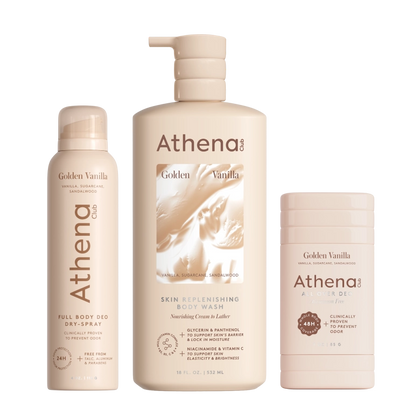
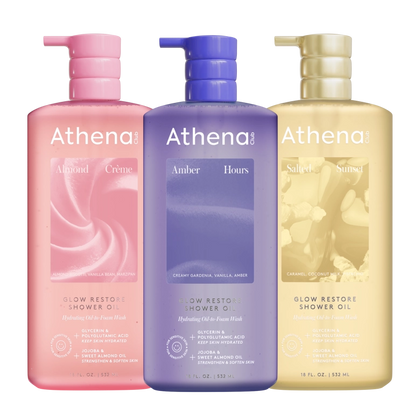
If you're shaving regularly (no judgment on frequency—your body, your choice), prepping your skin properly makes a huge difference. Start with a gentle cleanse using something like our Skin Replenishing Body Wash, which is pH-balanced and won't strip your skin. Then, create a protective barrier with a quality shaving product—our Glossy Shave Oil features SKINCLOUD™ technology that gives you serious glide while keeping skin hydrated.
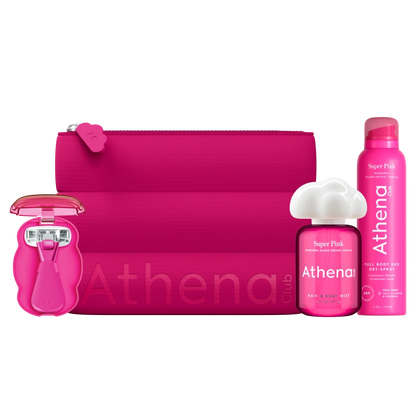
And can we talk about your razor for a second? A dull blade or poorly designed razor can tug at skin and cause irritation, which (you guessed it) can lead to more darkening. The Razor Kit was actually recognized by Allure as the Best Razor for Sensitive Skin in 2025, thanks to its 5-blade design with spaced-out blades that follow your curves without dragging. That hyaluronic acid serum strip and shea butter–enhanced blades? They're not just fancy features—they genuinely help minimize irritation.
Prevention Strategies That Actually Work
Okay, so we've covered the "why"—now let's get to the good stuff: what you can actually do about it. The first and most important step is breaking up with buildup before it becomes a problem.
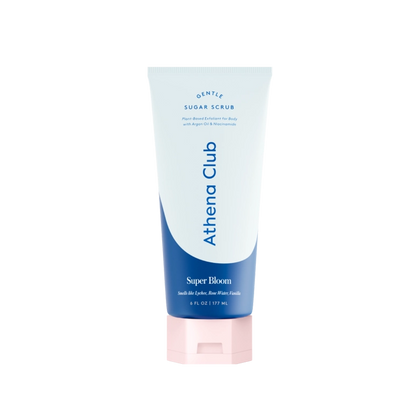
Make exfoliation part of your routine, but keep it gentle. Over-scrubbing can cause more irritation and make discoloration worse. A couple times a week, use a gentle exfoliator to slough away dead skin cells and product residue. You can use a soft washcloth, a gentle body scrub, or even a chemical exfoliant with AHAs or BHAs. The key word here is gentle—your underarms are more delicate than you might think.
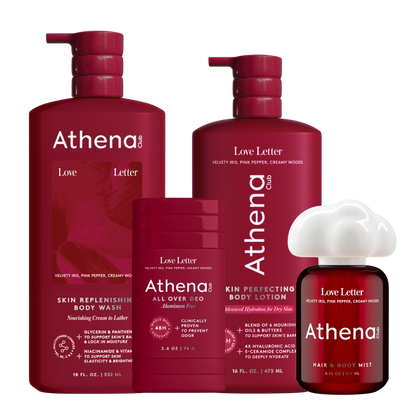
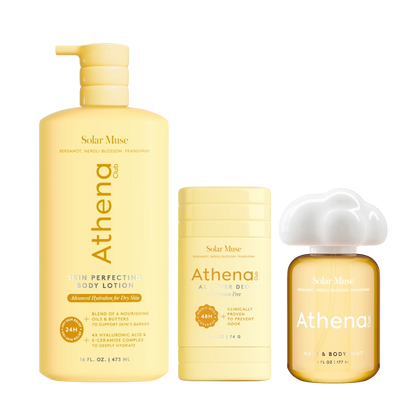
Consider switching to an aluminum-free deodorant. Products like our All Over Deo provide 48-hour protection without aluminum, and it's gentle enough to use on other areas prone to chafing or odor (yes, really—it's called All Over for a reason). It won't block your sweat glands, which means less chance of buildup and irritation. Plus, it won the Elle Magazine Canada Beauty Grand Prix in 2025, so it's not just us saying it's great.
If you prefer a dry formula, the Full Body Deo Dry-Spray offers 24-hour odor control with rice starch and won't leave behind that sticky residue that traditional deodorants sometimes do.
Your Daily Routine Reset for Brighter Underarms
Let's put this all together into a routine that actually prevents buildup and discoloration without adding an hour to your day.
In the shower: Start by thoroughly cleansing your underarms with warm water and a gentle, pH-balanced body wash. Really take a moment to massage the area and rinse completely—don't just let the soap run over it. A couple times a week, add in gentle exfoliation to remove any lingering buildup and dead skin cells.
After showering: Pat your underarms completely dry. This is crucial—applying deodorant to damp skin can trap moisture and create the perfect environment for buildup and irritation. Let your skin breathe for a minute or two before applying any products.
Application matters: When you do apply deodorant, use just enough to cover the area—more isn't always better. A thin, even layer is all you need for protection. And here's a pro tip: if you're switching products or notice buildup, give your underarms a "detox" day every once in a while where you skip deodorant entirely (maybe on a lazy Sunday at home).
At night: Wash off your deodorant before bed. Yes, really! There's no need for it to sit on your skin for 24 hours. Removing it at night gives your skin a chance to breathe and regenerate, and it prevents that cumulative buildup from forming in the first place.
When to See Results (And When to See a Pro)
If you're implementing these changes, you might be wondering how long it takes to see improvement. Here's the honest truth: it depends on how much buildup you're dealing with and what's causing your discoloration.
For simple product buildup and mild irritation, you should start noticing improvement within 2-4 weeks of consistent cleansing and gentler products. The darkness caused by buildup itself can fade relatively quickly once you remove the source. However, if you're dealing with post-inflammatory hyperpigmentation from repeated irritation, it may take a few months for your skin tone to fully even out.4
That said, if you've been following all the right steps for a couple of months and aren't seeing any improvement—or if the darkening is accompanied by pain, excessive irritation, or unusual changes—it's worth checking in with a dermatologist. Sometimes discoloration can be related to other factors like hormonal changes, certain medications, or underlying skin conditions that need professional attention. There's no shame in getting a pro's perspective!
The Bottom Line
- Deodorant buildup happens when product layers accumulate, mixing with oils, dead skin, and sweat—and it can contribute to underarm darkening
- The discoloration comes from both the visible residue and your skin's inflammatory response to irritation, which triggers extra melanin production
- Prevention is all about thorough cleansing, gentle exfoliation, and choosing products that don't leave heavy residue (hello, aluminum-free options)
- Remove your deodorant at night, prep properly before shaving, and give your underarms the same care you'd give your face—they deserve it
- Most buildup-related darkening improves within a few weeks, but deeper pigmentation changes take patience
The Path Forward: Small Changes, Big Difference
Look, dealing with underarm discoloration can feel frustrating, especially when you're doing everything you think you're supposed to do. But here's the empowering part: now you know what's actually happening and how to address it. It's not about having a perfect routine or buying a dozen new products—it's about being a little more intentional with the steps you're already taking.
Start with the basics: cleanse thoroughly, exfoliate gently, and choose products that work with your skin instead of against it. Pay attention to how your underarms feel and look, and adjust accordingly. Your body gives you feedback all the time—we just need to listen.
And remember, skin changes take time. Those dark patches didn't appear overnight, and they won't disappear overnight either. But with consistent care and the right approach, you absolutely can get your skin back to looking and feeling its best. You've got this.
Ready to give your underarms the upgrade they deserve? Check out the Athena Club collection and find products that make your daily routine feel less like a chore and more like the self-care ritual it should be.
Sources
- American Academy of Dermatology Association. "How to Prevent Body Odor." AAD.org.
- Cleveland Clinic. "Hyperpigmentation: Causes, Types, and Treatment." Cleveland Clinic Health Library, 2023.
- Davis, E.C., and Callender, V.D. "Postinflammatory Hyperpigmentation: A Review of the Epidemiology, Clinical Features, and Treatment Options in Skin of Color." Journal of Clinical and Aesthetic Dermatology, vol. 3, no. 7, 2010, pp. 20-31.
- American Osteopathic College of Dermatology. "Acanthosis Nigricans and Hyperpigmentation." AOCD.org.


