
































You've probably noticed it—those darker patches on your inner thighs that seem to get worse after shaving. It's one of those things nobody really talks about, but so many of us deal with. The good news? Inner thigh darkening is super common and totally manageable once you understand what's causing it and how your shaving routine might be playing a role. Let's dig into the most common questions about this and how to keep your skin smooth and even-toned.
What actually causes inner thigh darkening in the first place?
The short answer is friction, hormones, and sometimes your hair removal routine. When skin rubs against skin (or tight clothing), it triggers melanin production as a protective response—that's your skin's way of defending itself.1 This process, called post-inflammatory hyperpigmentation, is especially common in areas that experience regular friction, like your inner thighs. Hormonal changes during pregnancy, while taking birth control, or due to conditions like PCOS can also darken this area. And here's the thing: if you're shaving with a dull blade or skipping proper skin prep, you might be creating micro-irritation that makes the darkening worse over time.
Can shaving make inner thigh darkening worse?
Honestly, yes—but only if you're doing it wrong. Shaving itself doesn't directly cause darkening, but poor shaving habits absolutely can. Using a dull razor creates drag and tugging, which irritates your skin. Going in dry or with inadequate lubrication increases friction. Pressing too hard or shaving against the grain can lead to razor burn and ingrown hairs. All of this irritation triggers that same melanin response we talked about earlier. The good news is that with the right technique and tools, you can shave this sensitive area without making darkening worse. It's all about treating your skin gently and giving it what it needs to glide smoothly.
Does everyone get darker inner thighs, or is it just me?
You're definitely not alone—this is incredibly common. Inner thigh darkening affects people of all skin tones, though it tends to be more noticeable in medium to deeper complexions because of higher melanin levels.2 Factors like genetics, body type, activity level, and even your wardrobe play a role. If your thighs naturally touch when you walk, you're experiencing more friction throughout the day. Athletes and people who walk a lot often notice more darkening. It's not a flaw or something to feel self-conscious about—it's just your skin responding to its environment. Understanding that helps take some of the stress out of dealing with it.
What's the best way to prep inner thigh skin before shaving?
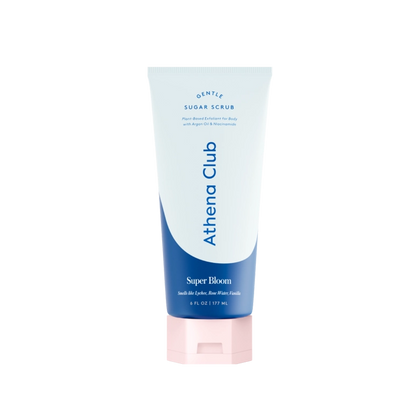
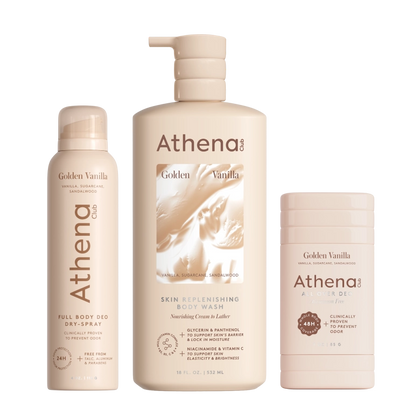
Start with exfoliation, but keep it gentle. Using our Gentle Sugar Scrub in the shower helps buff away dead skin cells that can trap hairs and create uneven texture. This gives your razor a smooth surface to work with and helps prevent ingrown hairs. After exfoliating, cleanse with something that won't strip your skin—the Skin Replenishing Body Wash is perfect because its pH-balanced formula with vitamin complex cleanses while keeping skin nourished. Make sure your skin is thoroughly wet and softened before you even think about picking up your razor. That prep work makes all the difference in how smoothly the shave goes and how your skin looks afterward.
Should I use shaving cream or something else for sensitive inner thighs?
Here's where you want to upgrade from basic shaving cream. The inner thigh area needs serious slip and moisture because the skin is thin and prone to irritation. Our Glossy Shave Oil is a game-changer here—it's an oil-serum hybrid with SKINCLOUD™ technology that creates an incredibly smooth barrier between your razor and skin. You can actually see where you're shaving, which helps you avoid going over the same spot repeatedly. If you prefer something thicker and creamier, the Fluffy Shave Butter with rosemary leaf extract provides cushiony protection. It's won Allure's Best of Beauty Award two years running for good reason—that thick formula really protects sensitive areas.
What kind of razor should I use on my inner thighs?
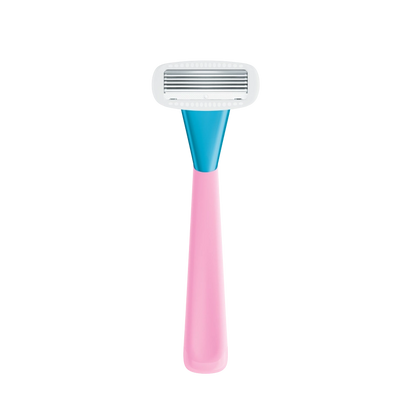
You need a razor that's specifically designed to move with your curves, not fight against them. The Razor Kit checks all the boxes: five spaced-out blades that follow the contours of your inner thighs, a hyaluronic acid serum strip for extra moisture, and shea butter-enhanced blades that glide smoothly. The premium aluminum handle has a non-slip silicone coating, which matters when you're navigating tricky angles in the shower. Allure named it the Best Razor for Sensitive Skin in 2025, and Good Housekeeping found it delivers 89% single-pass shaving—meaning you don't have to keep going over the same area and creating more irritation. That single-pass capability is crucial for preventing the micro-trauma that can worsen darkening.
How do I actually shave my inner thighs without causing irritation?
Technique is everything here. First, apply your shave oil or butter generously—don't skimp on this step. Hold your skin taut with your free hand to create a flat surface for the razor to glide across. Shave in the direction of hair growth first, using light pressure and letting the weight of the razor do the work. If you need a closer shave, reapply your shaving product and go lightly across the grain, never fully against it. Rinse your blade after every stroke or two to prevent buildup. Take your time with this area—rushing leads to nicks and irritation. And here's a pro tip: shave this area toward the end of your shower when your skin is most softened and pliable.
What should I do immediately after shaving to prevent darkening?
Post-shave care is just as important as the shave itself. Rinse with cool water to close your pores and pat (don't rub) your skin completely dry. Avoid any products with alcohol, fragrances, or acids immediately after shaving—save those for non-shaving days. Instead, apply a gentle, hydrating moisturizer to lock in moisture and support your skin barrier. Wait at least 20-30 minutes before putting on tight clothing. Your skin is more vulnerable right after shaving, and giving it time to calm down before facing friction from clothes makes a noticeable difference. If you experience any redness, that's normal—it should fade within an hour or two if your technique was gentle.
Can I prevent chafing and friction after I shave?
Absolutely, and this is key to preventing further darkening. After your skin has had time to recover from shaving, you can apply our All Over Deo to your inner thighs. It provides 48-hour aluminum-free protection and creates a smooth barrier that reduces friction. It won Elle Magazine Canada's Beauty Grand Prix in 2025, and people use it specifically for thigh chafing prevention. Choose breathable, moisture-wicking fabrics when possible, especially if you're active. Cotton and technical athletic fabrics are better than synthetic materials that trap heat and moisture. If you're wearing a dress or skirt, longer styles that prevent skin-on-skin contact can help reduce friction throughout the day.
How often should I shave my inner thighs if I'm trying to prevent darkening?
Less is often more when it comes to sensitive areas. Shaving every day puts constant stress on your skin and doesn't give it time to recover between sessions. Aim for every 2-3 days if possible, or whenever you truly need it rather than on a rigid schedule. This gives your skin time to heal any micro-irritation and reduces the cumulative effect of repeated friction from shaving. Pay attention to how your skin responds—if you notice persistent irritation or darkening getting worse, space out your shaves even more. Remember, the goal isn't perfectly hair-free skin 24/7; it's healthy, even-toned skin that looks and feels good.
Will the darkening fade if I change my shaving routine?
The honest answer is that it depends on what's causing it, but improving your shaving routine can definitely help. If irritation from shaving is contributing to the darkening, switching to better tools and technique can stop making it worse and allow your skin to gradually even out. Skin cell turnover happens naturally, so you might start seeing improvement in 4-8 weeks with consistent gentle care.3 However, if your darkening is primarily from friction throughout the day or hormonal factors, you'll need to address those causes too. Be patient with the process—skin doesn't change overnight, but treating it more gently consistently will show results over time. Focus on prevention and gentle care rather than expecting dramatic overnight changes.
Are there ingredients I should look for to help with inner thigh darkening?
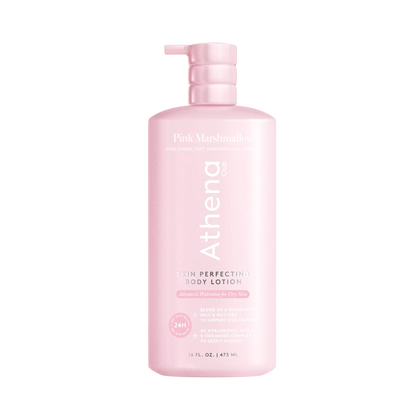
When it comes to products for this area, hydration and skin barrier support are your priorities. Look for hyaluronic acid, which draws moisture into skin—that's why the serum strip in the Razor Kit is so effective. Shea butter provides nourishing moisture without clogging pores. Ingredients like niacinamide and vitamin C can help with gentle brightening over time, though these are better in your post-shave moisturizers rather than your shaving products. Avoid harsh exfoliating acids immediately after shaving—save chemical exfoliants for non-shaving days. The key is keeping your skin healthy and hydrated so it can repair and regenerate properly. Healthy, moisturized skin is naturally more even-toned than dry, irritated skin.
Quick Answers
- Inner thigh darkening usually comes from friction, hormones, or irritation from hair removal—it's super common and nothing to stress about
- Shaving can make it worse if you're using dull blades, skipping proper lubrication, or applying too much pressure
- Gentle exfoliation before shaving and generous application of quality shave oil or butter makes a huge difference
- A multi-blade razor designed for curves helps you get a smooth shave in one pass, reducing repeated friction
- Post-shave care matters just as much—moisturize, avoid tight clothing immediately after, and use anti-chafe products to reduce daily friction
- Give your skin time between shaves to recover, and be patient with results—skin takes weeks to show visible improvement
The Bottom Line
Inner thigh darkening is one of those common skin concerns that feels way more isolating than it actually is. Now that you know what causes it and how your shaving routine can either help or hurt, you can make small changes that add up to healthier, more even-toned skin. Focus on gentle techniques, quality products that provide real slip and protection, and giving your skin the recovery time it needs. Your body care routine should feel like self-care, not a source of frustration.
Ready to upgrade your self-care routine? Explore the full Athena Club collection and discover what works for you.
Sources
- American Academy of Dermatology Association. "Acanthosis Nigricans: Diagnosis and Treatment." AAD.org.
- Taylor, S. C., et al. "Postinflammatory Hyperpigmentation." Journal of Cutaneous Medicine and Surgery, vol. 13, 2009.
- Draelos, Z. D. "The Science Behind Skin Lightening: A Review." Journal of Clinical and Aesthetic Dermatology, vol. 10, no. 8, 2017.


