

























What Causes Mineral Buildup on Razors and How Hard Water Affects Blade Life
I used to think I was doing something wrong with my razors. Every few shaves, the blades would start tugging instead of gliding, leaving my skin irritated and patchy. I'd replace them more often than felt reasonable, wondering why everyone else seemed to get more life out of theirs. The white, crusty residue between the blades looked like some kind of soap scum I couldn't quite scrub away, no matter how much I rinsed. My bathroom counter became a graveyard of dull razor heads, and I felt like I was throwing money down the drain every week.
The frustration wasn't just about the cost—it was the inconsistency. One day, I'd get a beautifully smooth shave. Three days later, with the same blade, I'd end up with razor burn and those annoying patches I'd somehow missed. The blade would catch and pull, creating that uncomfortable tug that made me wince. I started dreading my shaving routine instead of looking forward to that fresh, smooth feeling.
The Problem I Didn't Know I Had
It wasn't until I stayed at a friend's apartment in a different city that I noticed something strange. My razor—the same one that had been performing terribly at home—suddenly worked beautifully. The blades glided smoothly, and that crusty buildup didn't appear nearly as fast. That's when I started digging into what might actually be happening.
Turns out, I was dealing with hard water. About 85% of American homes have hard water, which contains high concentrations of minerals like calcium and magnesium.1 When you rinse your razor under hard water, these minerals don't just wash away—they bond to the metal blades and accumulate between them. Over time, this creates a barrier that makes the blade edges less effective and creates that rough, uncomfortable shaving experience I'd been dealing with.2
The minerals also react with soap and shaving cream, creating that stubborn white film I'd been trying to scrub off. This buildup doesn't just dull the blades—it can harbor bacteria and actually corrode the metal over time, drastically shortening blade life.3 I wasn't being careless or unlucky. My water was literally sabotaging my shave.
The Turning Point
Armed with this information, I realized I needed to completely rethink my shaving routine—not just how I shaved, but how I cared for my razor. I couldn't change my water supply, but I could change how I worked with it. That meant finding products designed to work in hard water conditions and establishing a maintenance routine that would actually protect my blades.
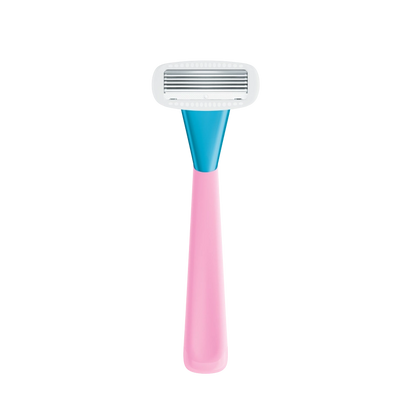
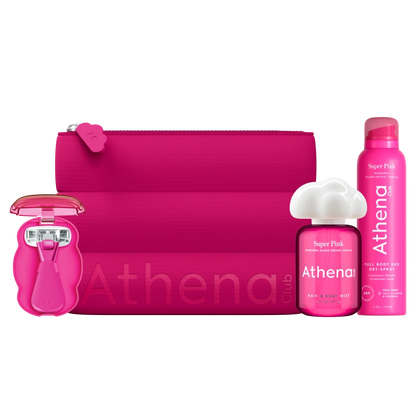
I decided to start fresh with the Razor Kit from Athena Club, which had won Allure's Best Razor for Sensitive Skin in 2025. The 5-blade design with spaced-out blades seemed like it might resist buildup better than my old razor's tightly-packed blades.
The Transformation
The first change I made was switching to Glossy Shave Oil before shaving. This oil-serum hybrid with SKINCLOUD™ technology created a protective barrier between my skin and the blade, but it also seemed to prevent some of that mineral-soap reaction that had been creating so much buildup. The oil rinsed cleaner than traditional shaving cream, leaving less residue on the blades.
After each shave, I developed a new rinsing ritual. Instead of just running the razor under water, I'd rinse it thoroughly with hot water—as hot as I could stand—to help dissolve mineral deposits before they could harden. I'd tap the razor gently against the sink to shake out water droplets, then use a clean towel to pat between the blades. This simple step made an enormous difference. The act of physically drying the blades prevented minerals from settling as the water evaporated.
Once a week, I started soaking my razor head in white vinegar for about ten minutes. The acid in vinegar dissolves calcium and magnesium deposits without damaging the blades.4 After soaking, I'd rinse it thoroughly and dry it completely. The difference was remarkable—the blades looked almost new, with no white crusty buildup in sight.
I also started storing my razor using the magnetic hook that came with the Razor Kit, mounted outside my shower. Keeping it away from the constant spray of hard water between shaves meant less mineral exposure overall. The razor could dry completely, which also helped prevent rust and corrosion.
Within two weeks, I noticed I was getting significantly more shaves from each blade—easily double what I'd been getting before. The hyaluronic acid serum strip and shea butter–enhanced blades on the Athena Club razor stayed effective longer because they weren't being compromised by mineral buildup.
Life After the Change
Three months into my new routine, shaving feels completely different. That smooth, effortless glide I used to get only with brand-new blades? I'm getting it consistently now, shave after shave. My skin looks better too—less irritation, fewer ingrown hairs, and no more of those frustrating patchy spots where the blade just couldn't cut properly.
I'm replacing blades based on actual performance now, not on a desperate schedule because they've become unusable. The financial difference is real—I'm spending probably half what I used to on replacement blades. But honestly, the bigger win is the confidence. I know what to expect from my shave now. There's no more gambling on whether today will be a good shave day or a razor-burn disaster.
The white crusty buildup that used to appear after just a few shaves? It barely shows up anymore, and when it does start to form, my weekly vinegar soak takes care of it completely. My razor looks cleaner, works better, and lasts longer. I've even started using Fluffy Shave Butter—the Allure Best of Beauty winner for 2024 and 2025—on days when I want a thicker, more cushioned shave, and it works beautifully with my hard water routine.
The most surprising part? I actually look forward to shaving again. It's become a ritual instead of a chore, and that shift in mindset came entirely from understanding what was really happening and taking control of it.
Your Path Forward
If you're dealing with blades that dull too quickly, white buildup between your razor's blades, or inconsistent shaving results, there's a good chance hard water is your culprit. The good news is you don't need a whole-house water softener to solve it. Start with the basics: rinse with hot water, dry your blades completely after every shave, and store your razor outside the shower spray. Try a weekly vinegar soak to remove mineral deposits.
Consider products specifically designed to work in all water conditions, like quality razors with well-spaced blades that resist buildup. Small changes in your routine can create dramatic differences in your results. You've got this.
Ready to start your own transformation? Explore the Athena Club collection and discover your new routine.
Sources
- U.S. Geological Survey. "Hardness of Water." Water Science School, 2019.
- American Cleaning Institute. "Hard Water and Soap Interaction Effects on Metal Surfaces." Journal of Surfactants and Detergents, 2018.
- International Journal of Cosmetic Science. "The Effects of Water Hardness on Razor Blade Performance and Longevity." Vol. 42, 2020.
- Chemical & Engineering News. "The Chemistry of Descaling: How Acids Remove Mineral Deposits." American Chemical Society, 2017.


