






















What Causes Orange Rust Stains on Razors and How Tap Water Affects Blade Life
You know that moment when you reach for your razor and notice those orange-ish stains creeping across the blades? It's frustrating, especially when you're pretty sure you've been taking care of it. Turns out, your tap water might be the culprit—and understanding what's actually happening can help you keep your razor (and your shave) in better shape for longer.
Why does my razor get orange stains on it?
The short answer: those orange stains are rust, and they form when the metal in your razor blades reacts with oxygen and moisture. Here's the thing—even though razor blades are designed to resist corrosion, they're not completely immune. When you rinse your razor under the tap and leave it in a damp environment (like your shower), you're creating the perfect storm for oxidation. The water sits on the blades, air gets involved, and chemistry does its thing. Add in minerals from hard water, and the process speeds up even more. It's totally normal, but definitely something you can minimize with a few simple storage tweaks.
Does tap water quality actually affect how long my razor blades last?
Honestly, yes—and more than you might think. Tap water quality varies wildly depending on where you live, and if you have hard water (meaning it's loaded with minerals like calcium and magnesium), your blades are working overtime.1 These minerals can build up on the blade edges, creating a rough surface that dulls them faster and makes rust formation easier. Even if your water seems clear, those invisible minerals are there. Soft water is gentler on blades, but no matter what's coming out of your tap, keeping your razor dry between uses is the real game-changer. Think of it like this: the less time water sits on those blades, the longer they'll stay sharp and rust-free.
What exactly is the orange stuff on my razor blades?
That orange residue is iron oxide—aka rust. It forms when iron in the steel blades combines with oxygen from water and air. The reaction happens faster in humid environments, which is why your shower razor seems to rust quicker than anything else in your bathroom. Sometimes what looks like rust might actually be mineral deposits mixed with soap scum, which can have a similar orange-ish tint. Either way, once you see that color, it's a sign the blade's integrity is compromised. Rusty blades aren't just less effective—they can also irritate your skin or cause nicks more easily since the edge isn't smooth anymore.
How does hard water make my razor rust faster?
Hard water is basically tap water with extra minerals dissolved in it—mainly calcium and magnesium.2 When you rinse your razor with hard water, those minerals cling to the blades and create tiny deposits. These deposits trap moisture against the metal, which speeds up the oxidation process that causes rust. Think of it like leaving a wet sponge on a metal surface—the constant moisture contact is what does the damage. Plus, hard water can leave a film that mixes with shaving cream or body wash residue, creating an even thicker coating that keeps blades damp longer. If you live in an area with hard water, you'll probably notice your razor dulls and rusts faster than it would elsewhere.
Should I rinse my razor with hot or cold water?
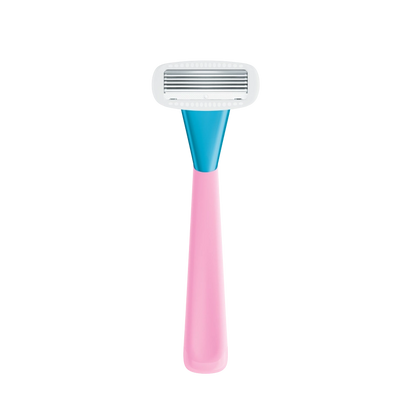
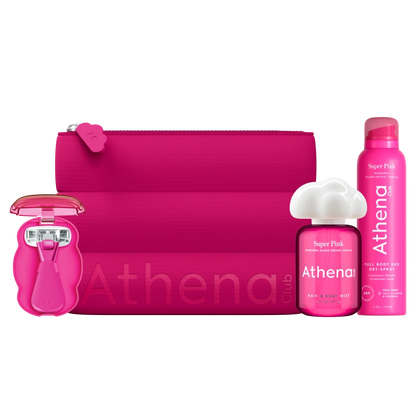
Cold or lukewarm water is actually your best bet for rinsing. Hot water feels good in the moment, but it can accelerate corrosion by opening up the metal's pores (so to speak) and making it more reactive. That said, a quick hot rinse during your shave to clear hair and product buildup is fine—just make sure you finish with a cold water rinse to close things back up. The real key is what you do after: shake off excess water thoroughly and store your razor somewhere dry. If you're using something like our Razor Kit, the magnetic hook makes it easy to keep your razor upright and away from standing water, which helps everything dry faster.
Can I prevent rust on my razor completely?
You can definitely minimize it, but preventing it completely is tricky since you're working with metal, water, and air—the rust trifecta. Your best defense is keeping your razor as dry as possible between uses. After shaving, rinse thoroughly to remove all product and hair, shake it vigorously to get rid of water droplets, and store it outside the direct spray zone of your shower. Some people even pat their blades dry with a towel (gently, along the blade direction). Using a protective shaving product can also help—something like Glossy Shave Oil with its SKINCLOUD™ technology creates a barrier on your skin that can reduce how much gunk builds up on your blades during the shave itself.
How often should I replace my razor blades to avoid rust issues?
Most blades should be swapped out every 5-7 shaves, or roughly every one to two weeks depending on how often you shave and how coarse your hair is. If you notice rust forming before that timeframe, it's a sign your storage situation needs work—but it's still time to change the blade. Dull or rusty blades drag across your skin instead of gliding smoothly, which means more irritation, missed spots, and potential nicks. The Razor Kit is designed with five spaced-out blades that stay sharper longer and follow your curves for fewer passes, which can help extend blade life when paired with proper care. Bottom line: if you see orange, it's time for a fresh blade.
Does leaving my razor in the shower cause rust?
Yep, the shower is basically rust central for razors. All that steam, humidity, and direct water exposure create a constantly damp environment—exactly what rust loves. Even if your razor isn't sitting in a puddle, the moisture in the air keeps the blades from fully drying between uses. If you can, store your razor outside the shower entirely—maybe on a bathroom shelf or counter where air circulates better. If that's not realistic, at least keep it away from the direct water stream and use a hook or holder that lets it hang vertically so water drips off instead of pooling around the blades. Those small changes make a surprisingly big difference in how long your blades stay clean.
What's the white buildup on my razor, and is it related to rust?
That white, chalky stuff is usually mineral deposits from hard water, sometimes mixed with dried soap or shaving cream residue. It's not rust itself, but it creates the perfect conditions for rust to form because it traps moisture against the blades. The buildup can also dull your razor faster by creating a barrier that prevents the blades from cutting cleanly. To remove it, try soaking your razor head in a mixture of equal parts white vinegar and warm water for about 10 minutes, then scrub gently with an old toothbrush. This dissolves the minerals without damaging the blades. Using a smoother product like Fluffy Shave Butter—which won the Allure Best of Beauty Award in both 2024 and 2025—can help reduce buildup since it rinses cleaner than traditional foams.
Is rust on my razor dangerous for my skin?
It's not great, but it's usually more of a skin irritation issue than a serious health risk. Rusty blades are rough and uneven, so they can cause micro-cuts, razor burn, or irritation more easily than sharp, clean blades. There's also a small chance of bacterial growth on rusty, damp blades, which could lead to minor infections if you have any nicks or sensitive skin.3 The bigger concern is just that you're not getting a good shave—rusty blades tug and pull instead of cutting smoothly, which defeats the whole purpose. If you spot rust, swap the blade out and focus on better storage habits going forward. Your skin will thank you with that smooth, just-glided-on feeling you're actually going for.
Can the products I use affect how quickly my razor rusts?
Absolutely. Thick, goopy shaving creams or soaps can leave more residue on your blades, which traps moisture and accelerates rust formation. Products with certain ingredients can also react with the metal in ways that speed up corrosion. On the flip side, using something that rinses clean and provides a protective barrier can actually help. Our Glossy Shave Oil is formulated to create a smooth glide without heavy buildup, and it rinses away easily so you're not leaving a film on your blades. Pairing your shave with Skin Replenishing Body Wash can also help keep your whole routine cleaner since it's pH-balanced and won't leave as much residue behind.
What's the best way to store my razor to prevent rust?
Keep it dry and upright—that's the golden rule. After rinsing, shake your razor firmly to remove water droplets, then store it somewhere with good air circulation where it can dry completely between uses. A magnetic hook (like the one that comes with our Razor Kit) is perfect because it keeps the razor vertical and away from wet surfaces. Avoid storing your razor flat or in a closed container while it's still damp—that just locks in moisture. If your bathroom is super humid, consider keeping your razor in a drawer or cabinet outside the bathroom entirely. And never, ever leave it sitting in a pool of water on the edge of the tub. That's basically an engraved invitation for rust to set up shop.
Quick Answers
- Orange stains on your razor are rust, caused by metal reacting with water and oxygen—especially in humid environments like your shower
- Hard water with high mineral content speeds up rust and dulling because minerals trap moisture against the blades
- Store your razor upright and dry, away from direct water spray, to minimize rust formation
- Replace blades every 5-7 shaves or when you notice rust, dullness, or tugging
- Using products that rinse clean and maintaining good storage habits will extend your blade life significantly
Keep Your Razor (and Your Shave) Fresh
Understanding what causes rust and how water affects your razor is half the battle—the other half is actually putting those storage tweaks into practice. A few small changes in your routine can make your blades last longer and keep your shaves consistently smooth. Ready to upgrade your self-care routine? Explore the full Athena Club collection and discover what works for you.
Sources
- U.S. Geological Survey. "Hardness of Water." USGS Water Science School. Accessed 2025.
- Water Quality Association. "Hard Water and Its Effects." WQA Consumer Information. Accessed 2025.
- American Academy of Dermatology Association. "How to Care for Your Skin While Shaving." AAD Patient Resources. Accessed 2025.


