
























What Causes Red Bumps After Shaving Sensitive Areas and How to Stop Them in 3 Days
You just finished shaving, your skin feels smooth for about five minutes, and then—hello, angry red bumps. If you've ever dealt with irritation after shaving your bikini line, underarms, or anywhere else that's particularly sensitive, you know how frustrating it can be. The good news? Those bumps aren't something you just have to live with. Let's talk about what's really going on and how to calm things down fast.
What are those red bumps that show up after shaving sensitive areas?
Those red bumps are usually razor bumps (also called pseudofolliculitis barbae) or general irritation from shaving.1 Here's the thing: when you shave, you're not just removing hair—you're also creating tiny nicks in your skin and sometimes cutting hairs at an angle that lets them curl back and grow into the skin. Your body sees this as a minor injury and sends in the inflammation squad, which shows up as red, sometimes itchy bumps. In sensitive areas where the skin is thinner and hair tends to be coarser, this reaction can be even more noticeable. The bumps might appear within hours of shaving or sometimes take a day or two to fully develop.
Why do sensitive areas get more irritated than other parts of my body?
Honestly, sensitive areas are just working with different conditions. The skin in your bikini area, underarms, and similar zones is naturally thinner and more delicate than, say, your legs.2 Plus, these areas deal with more friction from clothing, more moisture, and hair that grows in different directions—sometimes all at once. When you add shaving to the mix, you're creating the perfect storm for irritation. The hair itself tends to be thicker and curlier in these spots, which means it's more likely to become ingrown after you shave. And because these areas don't get as much air circulation, any irritation that does happen tends to stick around longer.
Can I really get rid of razor bumps in just three days?
The short answer is yes, most of the time. If you're dealing with standard razor bumps from irritation, you can see major improvement within 72 hours by treating your skin right. That means stopping any further irritation (no more shaving for a few days), keeping the area clean and moisturized, and using soothing products that calm inflammation. Now, if you're dealing with infected bumps or deeply ingrown hairs, that might take a bit longer and could need extra attention. But for typical post-shave irritation, three days of proper care can make a world of difference. The key is being consistent and gentle with your skin during that recovery window.
What should I do immediately after I notice the bumps forming?
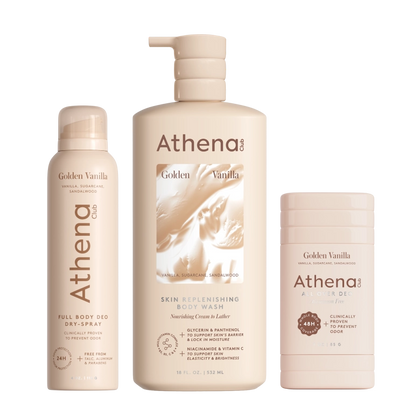
First things first: resist the urge to touch, pick, or try to "fix" anything manually. Step away from the tweezers. What your skin needs right now is gentle care and time to calm down. Rinse the area with cool water—nothing hot, which will just increase inflammation. Pat (don't rub) dry with a clean towel. Then apply something soothing and non-irritating. A gentle, pH-balanced cleanser like our Skin Replenishing Body Wash can cleanse without stripping or irritating further. Skip tight clothing for the next day or two if you can, and definitely skip any products with fragrance, alcohol, or harsh exfoliants. Your skin is already dealing with enough.
What's actually causing the bumps—is it my technique or my razor?
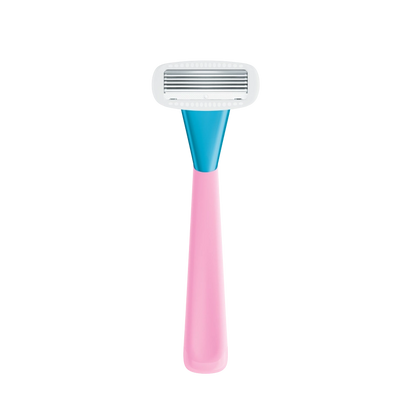
It's usually a combination of both, plus the products you're using (or not using). A dull razor is one of the biggest culprits because it tugs at hair instead of cutting cleanly, which irritates follicles.3 But even with a fresh blade, shaving without proper prep—like skipping a buffer between your skin and the razor—creates too much direct friction. The Razor Kit is designed specifically to minimize this with its 5-blade system that spaces blades to follow your curves, plus it has a hyaluronic acid serum strip and shea butter-enhanced blades for extra glide. Your technique matters too: shaving against the grain, going over the same spot multiple times, or pressing too hard all increase your chances of irritation. Think of it as a team effort between good tools, smart technique, and the right prep.
Should I exfoliate before or after shaving to prevent bumps?
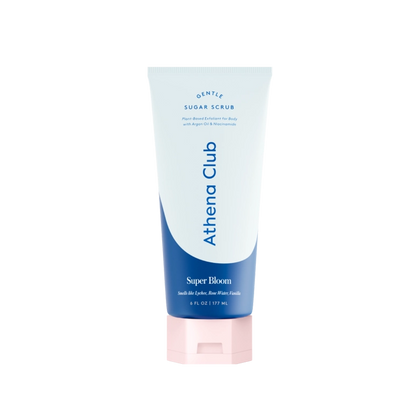
Before—always before, and ideally a day or two before if you're dealing with really sensitive skin. Exfoliating beforehand helps clear away dead skin cells that could trap hairs and cause them to grow inward. Our Gentle Sugar Scrub is perfect for this because it smooths skin without being too aggressive. Just make sure you're not exfoliating right before you shave—give your skin at least a few hours, or even better, exfoliate the night before a morning shave. After shaving, your skin is already sensitized, so adding exfoliation on top of that is like adding insult to injury. Save the post-shave routine for soothing and moisturizing, not scrubbing.
What's the best way to actually shave sensitive areas to avoid irritation?
Start with clean, wet skin—preferably after a warm shower when your hair is softer and your pores are open. Always, always use a lubricating layer between your skin and the razor. Glossy Shave Oil is a game-changer here with its oil-serum hybrid formula and SKINCLOUD™ technology that creates that smooth, just-glided-on feeling. If you prefer something thicker, Fluffy Shave Butter gives you a creamy cushion (it won snagged Allure's Best of Beauty Award two years running for good reason). Shave in the direction of hair growth when possible—yes, it might not be quite as close, but it's way gentler. Use light pressure and let the razor do the work. Rinse your blade after every stroke or two, and for sensitive areas, one pass is usually enough.
Does the hair growing back cause the bumps, or is it the shaving itself?
Both play a role, actually. The shaving itself causes immediate irritation—those micro-cuts and the friction we talked about earlier. But the bumps that show up a day or two later? That's often about the regrowth. When hair starts growing back, especially if it was cut at a sharp angle, it can curl under the skin's surface instead of growing straight out. Your immune system recognizes this as something that shouldn't be there and creates inflammation around it, which shows up as a raised, red bump. The thicker and curlier your hair is, the more likely this is to happen. This is why some people get more bumps a couple days post-shave rather than immediately after.
Are there specific ingredients I should look for to calm irritated skin?
You want soothing, hydrating, and anti-inflammatory ingredients that won't further irritate. Hyaluronic acid is excellent because it hydrates without being heavy or pore-clogging. Shea butter provides a protective barrier while moisturizing. Aloe vera, when you can find it in products, is naturally calming. Vitamin E supports skin healing. What you want to avoid during a breakout: alcohol, synthetic fragrances, and harsh exfoliating acids. The Razor Kit actually incorporates hyaluronic acid and shea butter right into the razor itself, which means you're treating your skin while you shave, not just after. It's a gentler approach from the start.
How often should I be shaving sensitive areas to minimize problems?
Less frequently than you probably are right now. Honestly, giving your skin time to recover between shaves is one of the best things you can do. For most people, shaving sensitive areas every 3-5 days hits the sweet spot between staying smooth and preventing chronic irritation. If you're shaving daily or every other day, you're not giving follicles time to heal, which means you're constantly re-irritating the same spots. I know that's not always what you want to hear, especially if you prefer being completely smooth all the time, but spacing out your shaves really does make a difference. If you absolutely need to maintain smoothness more often, make sure your technique and products are absolutely on point.
Can the products I use after shaving make bumps worse?
Absolutely, and this is where a lot of people unknowingly sabotage themselves. Anything with alcohol, heavy fragrances, or harsh ingredients can turn minor irritation into a full-blown situation. Even some "soothing" lotions contain ingredients that are actually irritating to freshly shaved skin. Tight clothing right after shaving creates friction that prevents healing. And if you're using a deodorant in sensitive areas, make sure it's designed for that—All Over Deo is specifically formulated for anywhere on your body with 48-hour aluminum-free protection (it even won Elle Magazine Canada's Beauty Grand Prix in 2025). The other mistake? Not moisturizing enough. Your skin needs hydration to repair its barrier, so don't skip that step.
When should I be worried about the bumps and see a doctor?
If your bumps are getting progressively worse instead of better after a few days, if you see signs of infection (increased redness, warmth, pus, or spreading pain), or if you're developing boils or cysts, it's time to check in with a healthcare provider. Same goes if you have bumps that won't go away even when you stop shaving for a week or more. Sometimes what looks like simple razor bumps is actually folliculitis, a bacterial infection, or another skin condition that needs professional treatment. Don't mess around with anything that seems infected—trying to treat it at home can make things worse. But for standard post-shave irritation, the three-day care routine should show clear improvement.
Quick Answers
- Red bumps after shaving are caused by irritation and hairs growing back into the skin, especially common in sensitive areas with thinner skin and coarser hair
- Most razor bumps improve significantly within 3 days with proper care: stop shaving temporarily, keep the area clean, and use soothing products
- Prevention is about the trifecta: a sharp, quality razor with built-in skin conditioning, proper lubrication during shaving, and gentle technique
- Exfoliate before shaving (not after) to prevent trapped hairs, and always use a lubricating product like shave oil or butter
- Give sensitive areas 3-5 days between shaves when possible to allow full healing and reduce chronic irritation
- See a doctor if bumps worsen, show signs of infection, or don't improve after a week of careful care
Ready to Transform Your Shave Routine?
The difference between dealing with constant irritation and having smooth, happy skin often comes down to using the right tools and products. When you invest in quality—like a razor designed specifically to minimize irritation and shaving products that actually protect your skin—you're not just preventing bumps, you're making self-care feel good instead of frustrating. Ready to upgrade your self-care routine? Explore the full Athena Club collection and discover what works for you.
Sources
- American Academy of Dermatology Association. "How to Treat Razor Bumps." AAD.org, www.aad.org/public/everyday-care/skin-care-basics/hair/treat-razor-bumps.
- Cleveland Clinic. "Pseudofolliculitis Barbae (Razor Bumps)." Cleveland Clinic, my.clevelandclinic.org/health/diseases/17722-pseudofolliculitis-barbae-razor-bumps.
- Mayo Clinic. "Ingrown Hair." Mayo Clinic, www.mayoclinic.org/diseases-conditions/ingrown-hair/symptoms-causes/syc-20373893.


