














You pull on your favorite white tee, glance in the mirror, and there it is—that telltale yellow stain creeping out from under your arm. Ugh. You're not imagining it, and nope, you're not doing anything wrong. Yellow armpit stains are a super common frustration, but the good news? You don't have to switch deodorants to deal with them. Let's talk through what's actually happening and how to keep your shirts looking fresh.
What actually causes those yellow armpit stains?
Here's the thing: those yellow stains aren't just from your deodorant alone. They're actually caused by a chemical reaction between the aluminum compounds in antiperspirants and the proteins in your sweat.1 When these two mix and then get exposed to heat (hello, body temp), they create a yellowish residue that clings to fabric fibers. It's basically science working against your wardrobe. The staining gets worse over time as the residue builds up with each wear, which is why older shirts tend to show more discoloration than new ones. Even if you're washing regularly, that buildup can be stubborn.
Wait, so is it the deodorant or the antiperspirant causing the problem?
Honestly, it's mostly the antiperspirant part. Deodorants and antiperspirants do different jobs—deodorants neutralize odor, while antiperspirants actually block sweat using aluminum-based compounds.2 Those aluminum compounds are the main culprits behind yellow stains. If your product is labeled "antiperspirant deodorant," it has aluminum in it. Pure deodorants without aluminum can still cause some discoloration (especially if they have oils or other ingredients), but they're way less likely to create those stubborn yellow marks. That said, many people want the sweat-blocking power of antiperspirants, so the goal is to use them smarter, not necessarily ditch them.
Can I prevent stains without changing my deodorant?
Absolutely. The short answer is: let it dry completely before getting dressed. Most staining happens when wet deodorant transfers directly onto fabric and then mingles with sweat throughout the day. Give your antiperspirant a solid two to three minutes to dry after application—scroll through your phone, do your hair, whatever. Just wait. You can also apply it the night before instead of right before you get dressed in the morning. Your body temperature is lower at night, you sweat less, and the product has hours to absorb and dry before coming into contact with clothing.3 It sounds almost too simple, but this timing shift makes a real difference.
Does how much deodorant I use matter?
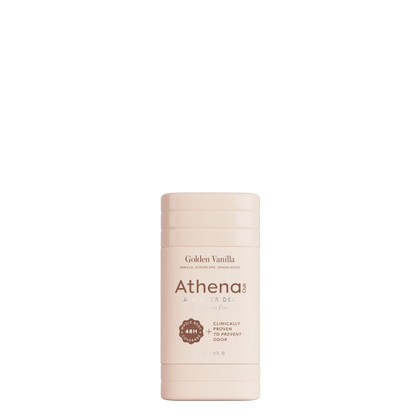
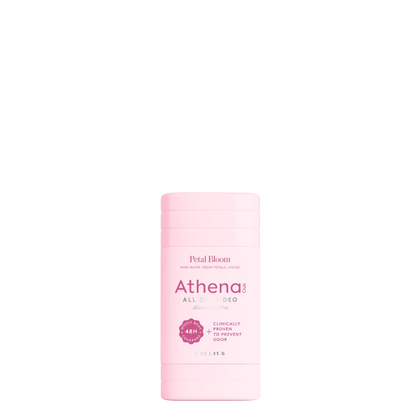
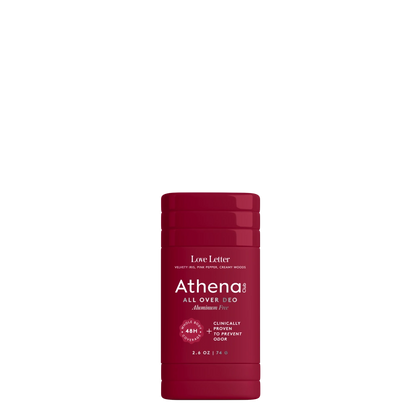
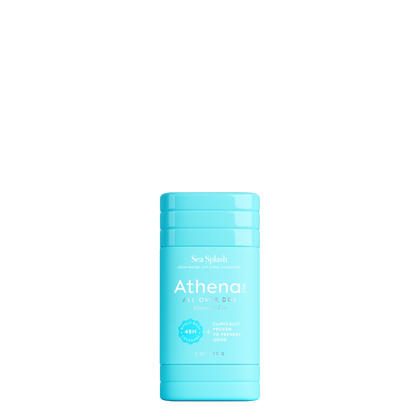
Yes, and this is where less is more. Using a ton of product doesn't give you extra protection—it just creates more residue that can stain. Two or three swipes of a stick deodorant or one quick spray of a dry formula is usually plenty. The goal is a thin, even layer that your skin can actually absorb. If you're caking it on, the excess just sits on your skin's surface waiting to transfer onto your clothes. If you're worried about odor control with less product, consider switching up your routine with something like All Over Deo, which offers 48-hour aluminum-free protection and works efficiently without needing to over-apply.
What's the best way to wash clothes to prevent buildup?
Pre-treat those armpit areas before tossing shirts in the wash. The buildup from deodorant and sweat needs a little extra attention to break down. Use a stain remover or even just a dab of liquid detergent directly on the underarm fabric, let it sit for 15 minutes, then wash as usual. Wash your clothes in the warmest water the fabric can handle—heat helps dissolve oils and residue.4 And here's a pro tip: don't overload your washing machine. Clothes need room to actually agitate and rinse properly. If everything's crammed in there, detergent and residue don't rinse out completely, and that's when buildup becomes a real problem.
Are there any fabrics that stain more easily than others?
Cotton and cotton blends are the biggest victims. Natural fibers are more porous, so they absorb sweat, deodorant, and oils more readily than synthetic materials.5 White and light-colored fabrics also show stains more obviously than darker colors, obviously. Synthetic fabrics like polyester can still get stained, but they're generally more resistant because they're less absorbent. If you're especially prone to staining, try wearing an undershirt as a buffer layer—it takes the hit instead of your nice shirts. You can also look for moisture-wicking athletic fabrics for everyday wear; they're designed to repel moisture and residue rather than soak it up.
Can my body chemistry affect staining?
Totally. Everyone's sweat composition is slightly different based on genetics, diet, stress levels, and hormones. Some people's sweat is more acidic or has higher concentrations of proteins and minerals, which can intensify the chemical reaction with aluminum and make staining worse.6 If you notice your clothes stain way more than other people's, it might just be your unique body chemistry at play. Staying hydrated can actually help dilute your sweat and make it less concentrated, which may reduce staining. It's not a magic fix, but it's one of those small things that can add up over time.
Should I skip deodorant on days I'm wearing white?
You definitely don't have to go without protection. Instead, just be strategic about application and timing. Apply your antiperspirant the night before if you're wearing something you really want to protect. Your underarms will still be protected the next day, but there's way less fresh product to transfer onto fabric. Or switch to an aluminum-free deodorant for those high-stakes white shirt days. Our Full Body Deo Dry-Spray offers 24-hour odor control without aluminum, and the rice starch formula dries down quickly so there's minimal transfer. You stay fresh, your shirt stays pristine.
What about removing stains that are already set in?
They're stubborn, but not impossible to tackle. Make a paste with baking soda and water (or hydrogen peroxide for tougher stains), apply it to the yellowed areas, and let it sit for at least an hour before washing. The baking soda helps break down the oils and residue.7 For seriously set-in stains, try soaking the garment overnight in a mixture of warm water, white vinegar, and a scoop of oxygen bleach. Vinegar helps dissolve mineral buildup from sweat and deodorant. Just keep in mind that older stains that have been heat-set in the dryer multiple times are harder to reverse. The key is catching them early and treating them before they become permanent.
Does shaving or not shaving my underarms make a difference?
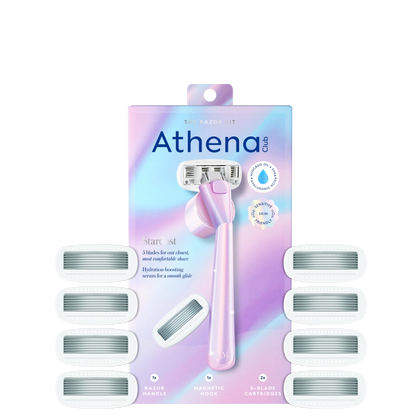
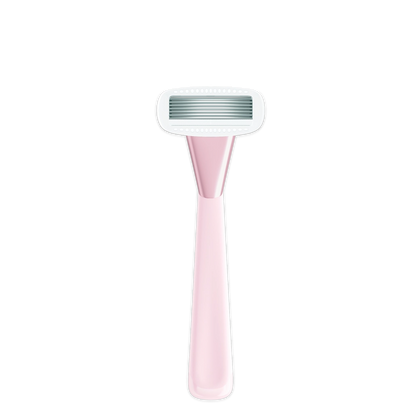
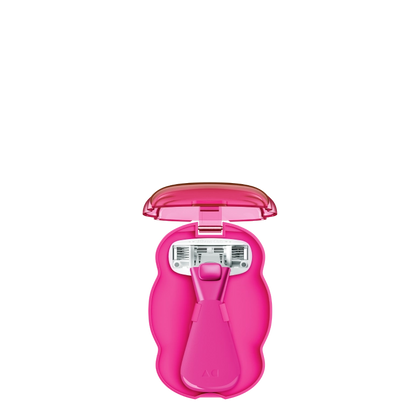
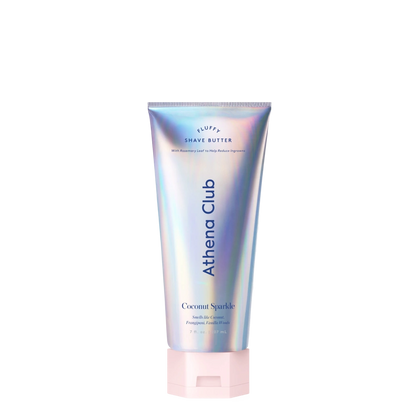
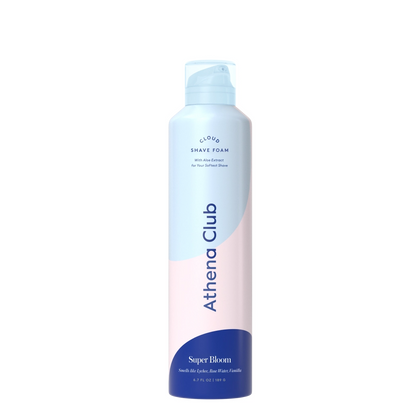
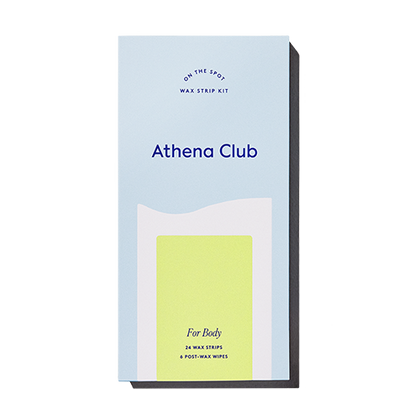
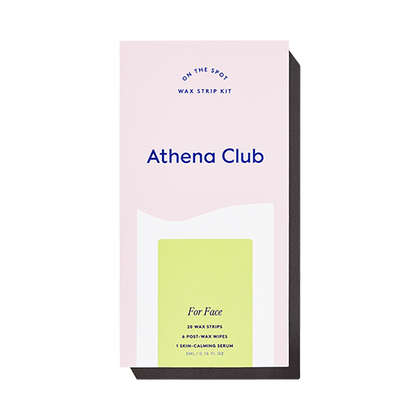
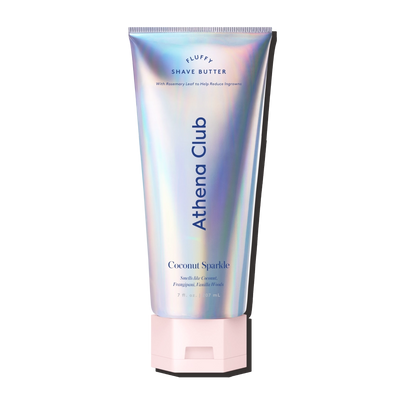
It can, actually. Hair traps more deodorant, sweat, and bacteria, which means more residue that can transfer to clothes. When underarms are shaved, deodorant applies more evenly and there's less surface area for buildup. That said, shaving isn't mandatory for stain prevention—it's just one factor. If you do shave, make sure you're using a razor that glides smoothly without irritation. Our Razor Kit features a 5-blade design with a hyaluronic acid serum strip and shea butter–enhanced blades for a close, comfortable shave. Pair it with Fluffy Shave Butter, an Allure Best of Beauty Award winner, for that thick, creamy glide that leaves skin smooth.
Are aluminum-free deodorants worth trying if I'm worried about stains?
If staining is a major concern for you, aluminum-free deodorants are definitely worth a shot. They won't stop you from sweating, but they will neutralize odor without the stain-causing aluminum compounds. The trade-off is that you might feel a bit more moisture under your arms, but for many people, that's a fair swap for keeping clothes stain-free. Modern aluminum-free formulas have come a long way and actually work well for odor control. Our All Over Deo, an Elle Magazine Canada Beauty Grand Prix winner, offers 48-hour protection and can be used anywhere on your body. It's a solid option if you want effective odor control without worrying about fabric damage.
Can my laundry detergent contribute to the staining problem?
Surprisingly, yes. Some detergents don't rinse out completely, especially if you're using too much or washing in cold water. That leftover detergent can mix with deodorant residue and body oils to create even more buildup on fabric. Try using less detergent than you think you need—most people use way too much. Also, add an extra rinse cycle if your machine has that option, or toss in half a cup of white vinegar during the rinse to help break down residue. Make sure you're not using fabric softener on clothes prone to staining, either. Fabric softener can actually trap oils and residue in fibers, making stains set in faster.
Quick Answers
- Yellow stains come from a reaction between aluminum in antiperspirants and the proteins in your sweat
- Let your deodorant dry completely before getting dressed—or apply it the night before
- Use less product than you think you need; two to three swipes is plenty
- Pre-treat underarm areas before washing and use the warmest water safe for the fabric
- Cotton and light-colored fabrics stain more easily than synthetics or darker colors
- Aluminum-free deodorants eliminate the main staining culprit without sacrificing odor control
- Your body chemistry, hydration, and even your laundry routine all play a role in staining
The Bottom Line
Yellow armpit stains are annoying, but they're not a life sentence. You don't have to overhaul your entire routine or toss your favorite deodorant. Small tweaks—like waiting for products to dry, using less, and treating clothes properly—make a huge difference. And if you do want to explore aluminum-free options for those extra-special white shirt days, you've got solid choices that actually work. Your clothes (and your confidence) will thank you.
Ready to upgrade your self-care routine? Explore the full Athena Club collection and discover what works for you.
Sources
- American Chemical Society. "Why Do Antiperspirants Stain Clothes?" Chemistry in Context, 2022.
- U.S. Food and Drug Administration. "Antiperspirant and Deodorant Products: What's the Difference?" Consumer Updates, 2021.
- International Journal of Cosmetic Science. "Optimizing Antiperspirant Application Timing for Efficacy and Reduced Textile Staining." Vol. 41, 2019.
- American Cleaning Institute. "Removing Deodorant and Antiperspirant Stains from Clothing." Fabric Care Guidelines, 2023.
- Textile Research Journal. "Differential Absorption of Personal Care Products Across Natural and Synthetic Fibers." Vol. 88, 2018.
- Journal of Investigative Dermatology. "Variation in Sweat Composition and Its Impact on Skin-Product Interactions." Vol. 140, 2020.
- Good Housekeeping Institute. "How to Remove Yellow Armpit Stains: Lab-Tested Methods." Cleaning Lab Reports, 2023.


