


















You know that feeling when you finally commit to exfoliating, only to end up looking like a tomato? If you have sensitive skin, figuring out when and how to exfoliate without the inevitable redness can feel like solving a puzzle. But here's the good news: with the right timing and approach, you can get that smooth, glowy skin without the irritation. Let's talk through the questions everyone with sensitive skin wants answered.
When's the best time of day to exfoliate sensitive skin?
Honestly, nighttime is your best friend here. When you exfoliate before bed, your skin has hours to calm down and recover while you sleep—no sunlight, no makeup, no rushing out the door.1 Plus, you're giving all those good serums and moisturizers you apply afterward a clean canvas to really sink in.
The thing about morning exfoliation is that you're immediately exposing freshly buffed skin to environmental stressors like UV rays and pollution. Even if you're diligent with sunscreen (which you should be), sensitive skin just doesn't need that extra challenge first thing in the morning. Save the exfoliation for your evening wind-down routine, and your skin will thank you with less redness and irritation.
How often should I actually be exfoliating if my skin is sensitive?
The short answer? Once or twice a week, max. I know it's tempting to exfoliate more often when your skin feels amazing afterward, but sensitive skin needs recovery time between sessions.2 Think of exfoliation like a workout for your skin—you wouldn't do intense training every single day without giving your muscles time to rebuild.
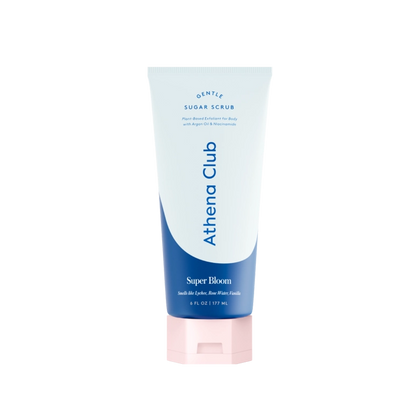
Start with once a week and see how your skin responds. If you're not seeing any redness, tightness, or irritation, you might be able to bump it up to twice weekly. But honestly, once a week is the sweet spot for most people with sensitive skin. Our Gentle Sugar Scrub is formulated to be effective without being harsh, so you can get that smooth skin prep without overdoing it.
Should I exfoliate before or after shaving?
Before, always before. Here's why: exfoliating lifts dead skin cells and helps prevent hairs from getting trapped under the surface, which means fewer ingrown hairs and a smoother shave overall.3 When you exfoliate first, you're giving your razor a clear path to glide along your skin.
The key is timing it right. Exfoliate gently, rinse thoroughly, then follow up with a quality shave product. The Glossy Shave Oil with its SKINCLOUD™ technology or the Allure Best of Beauty Award-winning Fluffy Shave Butter both create that protective barrier your freshly exfoliated skin needs. Just make sure you're gentle with the exfoliation itself—you want to prep the skin, not stress it out before you even pick up the razor.
Can I exfoliate on the same day I shave, or is that too much?
You can absolutely exfoliate and shave on the same day—that's actually the ideal approach. The trick is doing them in the right order and not being too aggressive with either one. Exfoliate first to clear the path, then shave with a quality razor and proper lubrication.
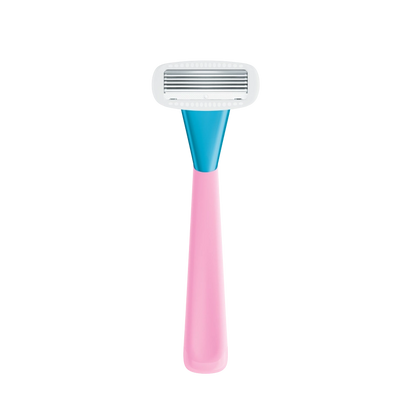
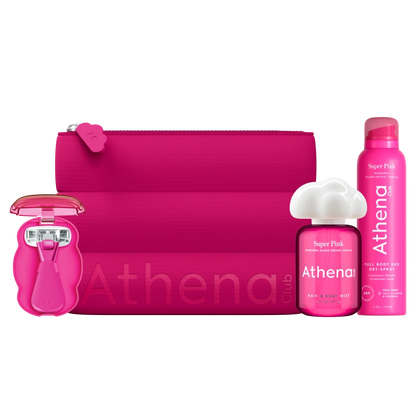
What you want to avoid is exfoliating again right after shaving. Your skin has already been through enough, and piling on more exfoliation is just asking for irritation. The Razor Kit is designed with sensitive skin in mind—it has a 5-blade design with spaced-out blades that follow your curves, plus hyaluronic acid serum strip and shea butter–enhanced blades that add hydration while you shave. Good Housekeeping found it delivers 89% single-pass shaving, which means less need for repeated strokes that can irritate sensitive skin.
What about exfoliating in the shower versus outside of it?
The shower is honestly the perfect place for exfoliation, especially for sensitive skin. The warm water softens your skin and opens up your pores slightly, which makes the exfoliation process gentler and more effective.1 Plus, it's just easier to rinse everything away thoroughly.
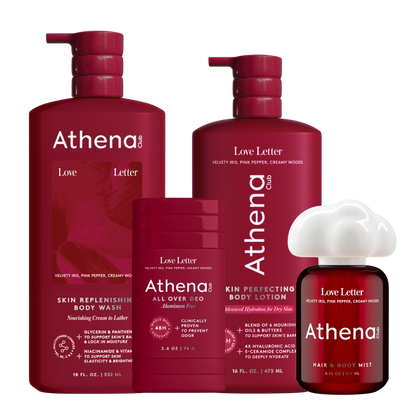
That said, don't exfoliate under super hot water—heat can increase redness and sensitivity. Aim for warm, comfortable water that doesn't leave your skin looking flushed. And here's a pro tip: exfoliate toward the end of your shower after you've cleansed with something like the Skin Replenishing Body Wash. Its pH-balanced formula with vitamin complex cleanses and nourishes without stripping your skin, so you're starting with a clean base before you exfoliate.
How long should I wait to apply products after exfoliating?
You don't need to wait at all—in fact, applying moisturizer right after exfoliating is exactly what you should do. Your skin is slightly damp, freshly buffed, and ready to absorb all the good stuff you're about to put on it. This is prime time for hydration.
Pat your skin dry gently (no aggressive rubbing), then apply your moisturizer or body oil while your skin is still slightly damp. This helps lock in moisture and creates a protective barrier that prevents that tight, uncomfortable feeling sensitive skin can get after exfoliation. Just skip any products with active ingredients like retinol or strong acids on freshly exfoliated skin—stick with gentle, hydrating formulas.
Is there a certain season when I should exfoliate more or less?
Great question. Winter actually calls for a bit less frequent exfoliation because the cold, dry air is already stressing out your skin's moisture barrier. If you're exfoliating twice a week in summer, consider dropping down to once a week when the temperature drops.2
In summer, you might be able to handle slightly more frequent exfoliation since humidity helps keep your skin hydrated. But—and this is important—you need to be extra diligent about sunscreen after exfoliating in warmer months. Freshly exfoliated skin is more vulnerable to sun damage, so that SPF is non-negotiable. Listen to your skin above all else. If it's feeling tight, flaky, or irritated regardless of the season, pull back on frequency.
Should I exfoliate if my skin is already irritated or red?
No, definitely skip it. When your skin is already angry, exfoliating is like poking a wound—it's just going to make things worse. Give your skin time to calm down and heal before you introduce any kind of physical or chemical exfoliation back into your routine.1
Instead, focus on gentle cleansing and serious hydration. Baby your skin for a few days until the redness and sensitivity subside. Once your skin is back to its normal baseline, you can ease back into exfoliation—but maybe start with a longer interval between sessions to make sure you're not overdoing it. Your skin will tell you what it needs if you pay attention.
Does the water temperature really matter when I'm exfoliating?
It really does. Hot water feels amazing, especially on a cold day, but it strips away your skin's natural oils and can amplify redness—which is the last thing sensitive skin needs.1 Lukewarm water is your sweet spot for exfoliation.
Think of it this way: you want the water warm enough to soften your skin and make the exfoliation effective, but not so hot that you're stepping out of the shower looking like you just ran a marathon. If your skin is already pink from the water temperature before you even start exfoliating, dial it down. Your skin's natural barrier will stay happier and healthier with moderate temperatures.
Can I use other active skincare products on the same day I exfoliate?
Honestly, it's best to keep things simple on exfoliation days. Your skin has already been through a bit of a process, and layering on actives like AHAs, BHAs, or retinol is just asking for irritation, especially if you have sensitive skin. Save those powerhouse ingredients for your off days.
Stick with gentle, hydrating products after you exfoliate. Think nourishing moisturizers, soothing serums, and anything that focuses on barrier repair rather than active treatment. You can get back to your full routine the next day once your skin has had a chance to recover. The goal is smooth, glowing skin—not a chemical peel situation happening in your bathroom.
What's the best way to test if my exfoliation timing is working?
Your skin will literally tell you. If you're waking up with soft, smooth skin that feels comfortable and looks even-toned, you've nailed it. If you're experiencing persistent redness, tightness, flaking, or that raw feeling that won't quit, something needs to change.2
Keep a mental note (or an actual note in your phone) of when you exfoliate and how your skin responds over the next 24 hours. Are you red immediately after? Does the redness fade within an hour, or does it stick around? Is your skin smoother the next day, or does it feel sensitive to touch? This kind of tracking helps you figure out not just timing, but also whether your exfoliation method itself is too harsh. Sometimes the issue isn't when you're exfoliating, but how you're doing it.
Should I change my exfoliation timing if I'm dealing with breakouts?
The timing can stay the same—nighttime is still ideal—but you might want to be more strategic about where you're exfoliating. If you have active breakouts, avoid scrubbing directly over them. You don't want to spread bacteria or make the inflammation worse.
You can still exfoliate the rest of your body on your regular schedule, just be gentle around any irritated areas. And remember, exfoliation helps prevent future breakouts by keeping pores clear, but it's not a treatment for existing ones. If you're dealing with body acne, focus on consistent cleansing with a pH-balanced wash and let the breakouts heal before you go in with physical exfoliation over those spots.
Quick Answers
- Exfoliate at night so your skin has hours to recover without environmental stress
- Stick to once or twice a week max—sensitive skin needs recovery time between sessions
- Always exfoliate before shaving, never after, to prevent ingrown hairs and get a smoother shave
- Use lukewarm water, not hot, to avoid amplifying redness and stripping natural oils
- Skip exfoliation entirely if your skin is already irritated or red—let it heal first
- Apply moisturizer immediately after exfoliating while skin is still slightly damp
- Reduce frequency in winter when cold, dry air is already challenging your moisture barrier
Ready to upgrade your self-care routine? Explore the full Athena Club collection and discover what works for you.
Sources
- American Academy of Dermatology Association. "How to safely exfoliate at home." AAD.org. Accessed 2025.
- Cleveland Clinic. "The Do's and Don'ts of Exfoliating Your Skin." Health Essentials, Cleveland Clinic, 2023.
- Mayo Clinic. "Shaving tips for both women and men." Mayo Clinic Health System, 2024.


