


























You've just finished shaving and—wait, are those red bumps already forming? If you've been battling razor bumps and wondering whether your exfoliation routine is helping or hurting, you're not alone. The timing of when you exfoliate matters way more than you might think. Let's break down exactly when to exfoliate, how it helps prevent those annoying bumps, and what actually works.
Should I exfoliate before or after shaving?
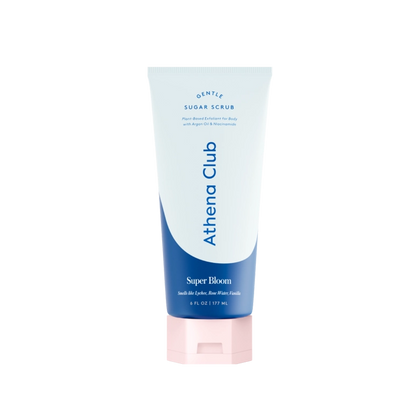
Exfoliate before shaving, always. Here's the thing—exfoliating beforehand clears away dead skin cells and lifts trapped hairs so your razor can glide smoothly without snagging. When you exfoliate after shaving, you're essentially scrubbing freshly shaved, super-sensitive skin, which can lead to irritation and make razor bumps worse.1 Think of exfoliation as prep work that sets your skin up for the smoothest shave possible. Our Gentle Sugar Scrub is perfect for this—it buffs away buildup without being too harsh, so your skin is prepped and ready.
Why does exfoliating before shaving help prevent razor bumps?
Razor bumps happen when hairs curl back into the skin after shaving, causing inflammation and those telltale red bumps. Exfoliating before you shave removes the layer of dead skin cells that can trap hairs and cause them to grow sideways or inward.2 It also lifts any hairs that are already lying flat against your skin, giving your razor a clear path to cut them cleanly at the surface. The result? Less tugging, fewer ingrown hairs, and way less irritation. Honestly, this one step makes such a difference—it's like the difference between shaving on easy mode versus hard mode.
How long before shaving should I exfoliate?
The short answer is: immediately before, or at least within the same shower session. You want your skin to still be soft and your pores open from the warm water when you start shaving. Exfoliate first, rinse thoroughly, then move right into your shave routine. There's no need to exfoliate hours ahead of time—in fact, you want to shave while your skin is still in that prepped, softened state. If you exfoliate and then wait too long, your pores will close back up and you'll lose some of those benefits.
Can I exfoliate and shave on the same day?
Absolutely, and you should. Exfoliating and shaving on the same day—in that order—is actually the ideal routine for preventing razor bumps. Just make sure you're using a gentle exfoliant, not something super abrasive that's going to leave your skin raw before you even pick up a razor. After exfoliating, follow up with a quality shaving product that adds slip and protection. Our Fluffy Shave Butter, a two-time Allure Best of Beauty Award winner, creates a thick, creamy barrier that helps your razor glide smoothly. Or try the Glossy Shave Oil with SKINCLOUD™ technology for that oil-serum hybrid feel.
What happens if I exfoliate after shaving?
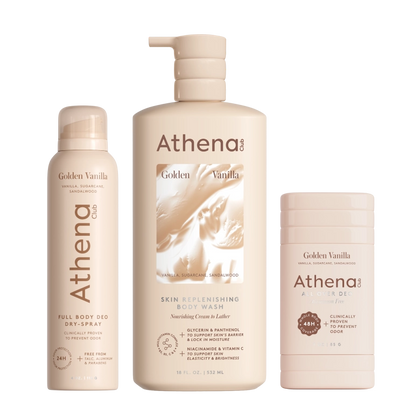
You're basically asking for trouble. When you exfoliate after shaving, you're scrubbing skin that's already been sensitized by the razor. This can cause micro-tears, increase redness, and make razor bumps more likely to form.3 Your skin needs time to calm down after shaving, not another round of physical abrasion. If you've been exfoliating post-shave and wondering why you're always irritated, this is probably why. Save the exfoliation for before, and after your shave, stick to something soothing and hydrating instead—like our Skin Replenishing Body Wash, an Elle Magazine Canada Beauty Grand Prix winner that cleanses and nourishes without any harsh scrubbing.
How often should I exfoliate if I shave regularly?
If you're shaving every day or every other day, exfoliate two to three times a week—not every single time you shave. Over-exfoliating can strip your skin and actually make irritation worse, which defeats the whole purpose. On the days you don't exfoliate, just cleanse your skin gently with warm water before shaving. Your skin needs a balance: enough exfoliation to prevent buildup and ingrown hairs, but not so much that you're damaging your skin barrier. Pay attention to how your skin feels—if it's getting red, tight, or extra sensitive, dial back the frequency.
Does the type of exfoliant matter for preventing razor bumps?
Yes, definitely. Physical exfoliants with fine, round particles work best before shaving because they manually lift dead skin and trapped hairs without being too aggressive. Avoid anything with jagged or irregular particles that can create tiny scratches—your razor will only make those worse. Chemical exfoliants with AHAs or BHAs can also work, but they're better used on non-shaving days since they can make skin more sensitive. For pre-shave exfoliation, stick with something gentle and sugar-based, which dissolves as you use it and won't over-scrub your skin.
What's the best shaving technique to use after exfoliating?
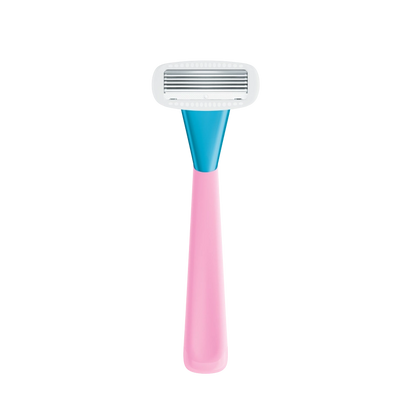
After you've exfoliated, the key is to shave with intention, not speed. Always shave in the direction of hair growth first—yes, even if it doesn't feel as close. Shaving against the grain might seem like it gives you smoother results, but it's also the fastest route to razor bumps and ingrown hairs. Use a razor designed to work with your skin, not against it. The Razor Kit, named Allure's Best Razor for Sensitive Skin in 2025, features a 5-blade design with spaced-out blades that follow your curves, plus a hyaluronic acid serum strip and shea butter–enhanced blades. Good Housekeeping found it delivered 89% single-pass shaving, which means less repetition and less irritation.
Should I moisturize after exfoliating and shaving?
Always. After you've exfoliated and shaved, your skin is clean but also vulnerable. Moisturizing locks in hydration and helps repair your skin barrier, which reduces the chance of irritation and razor bumps forming over the next few hours. Look for something lightweight and non-comedogenic so it absorbs quickly without clogging pores—especially important in areas prone to bumps like your bikini line or underarms. And if you're dealing with body odor concerns in those freshly shaved areas, our All Over Deo, an Elle Magazine Canada Beauty Grand Prix winner, offers 48-hour aluminum-free protection you can use anywhere.
Can exfoliating help with existing razor bumps?
It can, but you need to be strategic about it. If you have active, inflamed razor bumps, hold off on exfoliating that area until the redness calms down—scrubbing irritated skin will only make things worse. Once the inflammation settles, gentle exfoliation can help release trapped hairs and prevent new bumps from forming. Use a light hand and don't scrub aggressively. The goal is to coax those ingrown hairs to the surface, not to demolish your skin in the process. Consistent, gentle exfoliation over time is way more effective than one intense scrub session.
Are there areas where I shouldn't exfoliate before shaving?
Honestly, most areas benefit from gentle exfoliation before shaving, but use extra caution on super sensitive spots like your bikini line or face. These areas have thinner, more delicate skin that can get irritated quickly. If you're exfoliating there, use the lightest touch possible and maybe even reduce the frequency compared to, say, your legs. And if you have any active cuts, rashes, or infections, skip exfoliating those spots entirely until they're healed. Listen to your skin—it'll tell you when you're overdoing it.
What else can I do to prevent razor bumps besides exfoliating?
Exfoliating is huge, but it's not the only piece of the puzzle. Make sure you're using a sharp, clean razor—dull blades tug at hairs instead of cutting them cleanly, which increases your risk of bumps. Shave during or right after a warm shower when your skin is soft and your pores are open. Always use a shaving product with good slip, whether that's a butter, oil, or gel. And after shaving, avoid tight clothing that can rub against freshly shaved skin and trap sweat and bacteria. All these little things add up to make a real difference in how your skin looks and feels.
Quick Answers
- Always exfoliate before shaving, not after—it preps your skin by removing dead cells and lifting trapped hairs so your razor can glide smoothly.
- Exfoliate and shave in the same session, ideally during a warm shower when your pores are open and your skin is soft.
- Don't exfoliate every time you shave—two to three times a week is plenty to prevent buildup without over-stripping your skin.
- Use a gentle, round-particle exfoliant before shaving, and save chemical exfoliants for non-shaving days.
- Pair your exfoliation routine with a quality razor and shaving product for the best results and smoothest skin.
- Always moisturize after to lock in hydration and protect your freshly shaved skin.
Ready to upgrade your self-care routine? Explore the full Athena Club collection and discover what works for you.
Sources
- American Academy of Dermatology Association. "How to Prevent Razor Bumps." AAD.org, https://www.aad.org/public/everyday-care/skin-care-basics/hair/prevent-razor-bumps
- Cleveland Clinic. "Razor Bumps (Pseudofolliculitis Barbae)." Cleveland Clinic, 2023, https://my.clevelandclinic.org/health/diseases/17723-razor-bumps-pseudofolliculitis-barbae
- Mayo Clinic. "Shaving Tips for Both Men and Women." Mayo Clinic, 2022, https://www.mayoclinic.org/healthy-lifestyle/adult-health/in-depth/skin-care/art-20048237


