




















What's the Correct Shaving Pressure for Bikini Areas and How It Prevents Irritation
Let's be real—shaving your bikini area can feel like walking a tightrope. Press too hard and you're dealing with angry red bumps. Go too light and you're basically just gliding a razor around without actually removing hair. If you've ever wondered exactly how much pressure you should be using down there (and why it matters so much), you're definitely not alone. Getting the pressure right is actually one of the most overlooked secrets to a smooth, irritation-free shave.
How much pressure should I actually use when shaving my bikini area?
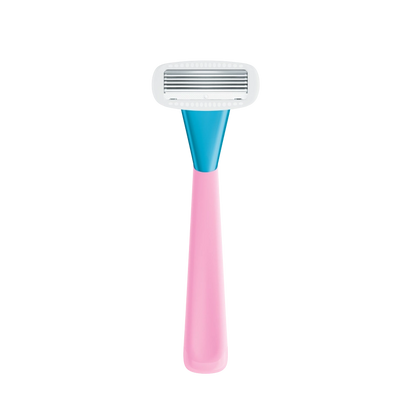
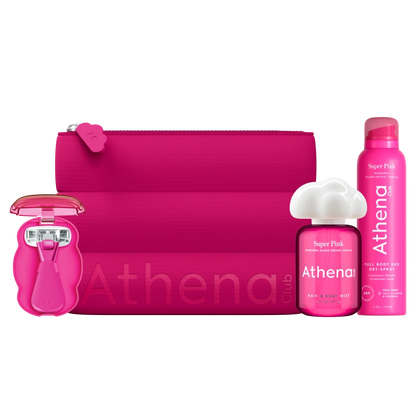
The short answer? Barely any. Think about it like this: you want the weight of the razor to do most of the work, not your hand pressing down. The ideal pressure is just enough to keep the blades in contact with your skin—imagine you're letting the razor glide rather than pushing it. When you press too hard, you're forcing the blades to dig into your skin, which not only increases irritation but can also cause nicks and ingrown hairs. The bikini area has thinner, more sensitive skin than, say, your legs, so it needs an even gentler touch. If you're using a well-designed razor like the Razor Kit with its 5-blade design that follows your curves, you really can let the tool do the heavy lifting.
Why does shaving pressure matter more in the bikini area than other body parts?
Here's the thing: the skin around your bikini line is genuinely different from the rest of your body. It's thinner, has more nerve endings, and deals with more friction from clothing throughout the day.1 When you add too much pressure during shaving, you're essentially creating micro-trauma to already sensitive skin. Plus, the hair in this area tends to be coarser and grows in different directions, which means people often think they need to press harder to get a close shave. But that's actually counterproductive—excess pressure causes razor burn, inflammation, and those painful ingrown hairs that can stick around for days. Your bikini area also has more folds and contours, so heavy-handed shaving increases the risk of cuts in those tricky spots.
What happens to my skin when I use too much pressure?
Honestly, nothing good. When you press down hard, the blades scrape away not just hair but also the top layer of skin cells—and not in the good exfoliating way. This leads to immediate redness, that stinging sensation in the shower, and sometimes even tiny cuts you don't notice until later. Over time, aggressive shaving with too much pressure can cause hyperpigmentation (those dark patches), chronic irritation, and a cycle of ingrown hairs.2 Your skin basically goes into defense mode, becoming inflamed and sometimes even developing small infections around hair follicles. The irritation can also make your skin more sensitive over time, meaning each shave gets progressively more uncomfortable. Not exactly the smooth, carefree vibe we're going for.
How can I tell if I'm using the right amount of pressure?
The best indicator? Your skin shouldn't feel any discomfort during the actual shave. If you're feeling tugging, pulling, or any kind of burning sensation as you shave, you're either using too much pressure or your blade needs replacing. Your skin also shouldn't look red or feel tender immediately after shaving—a little pinkness that fades within minutes is normal, but anything more is a sign to ease up. Try this test: shave one area with your usual pressure, then shave another section while consciously lightening your touch. The difference in how your skin feels afterward will tell you everything. Another good sign you're doing it right is that smooth, just-glided-on feeling without any of that raw, oversensitized aftermath.
Does using shaving cream or oil actually help with pressure control?
Absolutely. A good shaving lubricant creates a protective cushion between your blade and skin, which naturally helps you use less pressure because the razor glides more smoothly. Without that buffer, you might instinctively press harder to compensate for the drag. Something like Glossy Shave Oil with its oil-serum hybrid formula and SKINCLOUD™ technology gives you that effortless glide while letting you see exactly where you're shaving. Or if you prefer a thicker texture, the Fluffy Shave Butter—which won Allure's Best of Beauty Award in both 2024 and 2025—provides that creamy cushion with rosemary leaf extract. The right formula basically makes it easier to use the correct pressure because your razor isn't fighting against friction.
Can my razor design affect how much pressure I need to use?
One hundred percent, yes. A razor with spaced-out blades that actually follow your body's curves means you don't have to press down to get close contact with your skin. The Razor Kit is designed specifically for this—the 5-blade system with hyaluronic acid serum strip and shea butter–enhanced blades means the razor naturally does more work with less effort from you. The non-slip silicone coating on the premium aluminum handle also gives you better control, so you're not gripping tighter (which often leads to pressing harder). Good Housekeeping found it delivered 89% single-pass shaving, and Allure named it the Best Razor for Sensitive Skin in 2025, which speaks to how effective it is without requiring aggressive pressure.
What's the best technique for maintaining light pressure throughout my shave?
Start by holding your razor more loosely—if you're white-knuckling the handle, you're definitely pressing too hard. Use short, gentle strokes rather than long, sweeping ones, and rinse your blade after every couple of passes to prevent buildup that makes you press harder. Pull your skin taut with your free hand to create a smooth surface, which helps the razor glide without needing extra pressure. Shave in the direction of hair growth first (yes, even if you want a super close shave), then you can carefully go against the grain with an even lighter touch if needed. And take your time—rushing is the enemy of gentle pressure. Think of it as a mindful moment in your routine, not a race.
Should I prep my skin differently to avoid needing heavy pressure?
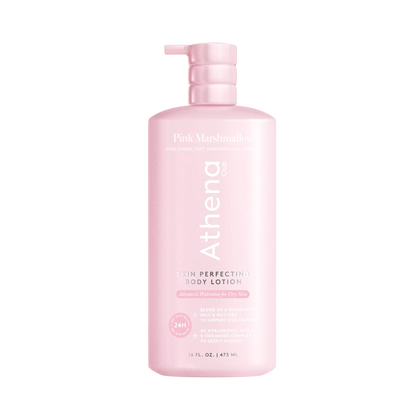
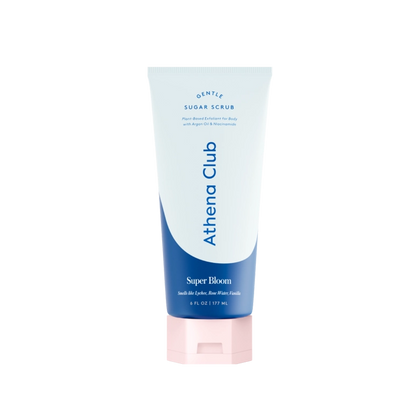
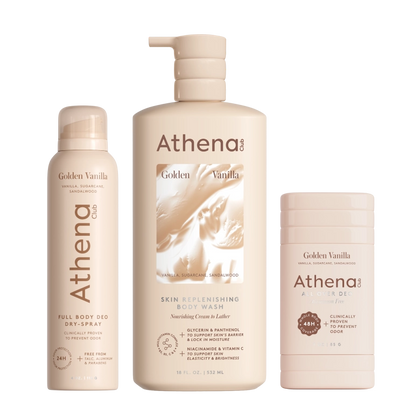
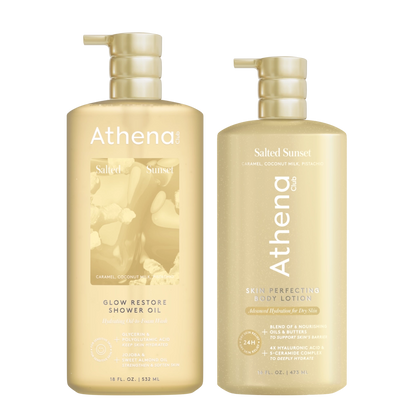
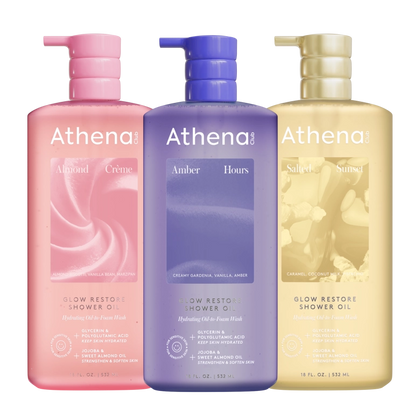
Prep work is honestly half the battle. Start with warm water to soften both your skin and hair—this makes everything more pliable so your razor doesn't have to work as hard. If you want to go the extra mile, use Gentle Sugar Scrub a day or two before shaving (not right before, which would make skin too sensitive) to remove dead skin cells and lift any hairs lying flat against your skin. Cleanse the area with something gentle like Skin Replenishing Body Wash—which won Elle Magazine Canada's Beauty Grand Prix in 2025—to remove any oils or residue without stripping your skin. Proper prep means your razor encounters less resistance, which naturally translates to needing less pressure.
What should I do immediately after shaving to minimize irritation from any pressure mistakes?
First, rinse with cool (not cold) water to close your pores and calm any inflammation. Pat—don't rub—the area dry with a clean towel. Skip anything with alcohol, fragrance, or harsh actives for at least a few hours, as your skin is more vulnerable right after shaving.3 Wear loose, breathable cotton underwear to minimize friction while your skin recovers. If you notice any redness or sensitivity, that's your skin telling you to use even less pressure next time. The goal is to treat your freshly shaved skin like the delicate thing it is—because in that moment, it really is more sensitive than usual.
How often should I replace my razor blades to maintain proper pressure?
The general rule is every 5-7 shaves, but honestly, pay attention to how your razor feels. The moment you notice yourself pressing harder to get the same results, it's time for a fresh blade. Dull blades require more pressure to cut hair effectively, which creates a vicious cycle of irritation. With the Razor Kit, you'll notice the shea butter–enhanced blades and hyaluronic acid serum strip maintain their effectiveness longer, but they're still not meant to last forever. A sharp blade glides effortlessly with minimal pressure, while a dull one drags and requires you to go over the same area multiple times—which is basically irritation waiting to happen.
Is there a difference between shaving pressure for a quick maintenance shave versus a full shave?
Not really—light pressure is always the answer. That said, during maintenance shaves when you're just touching up a few stray hairs, you might be tempted to rush and press harder since it's "just a quick thing." Resist that urge. Even quick touch-ups deserve the same gentle approach because your skin is just as sensitive regardless of how much hair you're removing. If anything, maintenance shaves should be even lighter since you're working with less lubrication over a smaller area. The key is consistency—train yourself to use that feather-light touch every single time, whether it's a full bikini shave or just a quick clean-up.
Quick Answers
- Use barely any pressure—let the razor's weight do the work rather than pushing down with your hand
- Bikini area skin is thinner and more sensitive than other body parts, making it extra vulnerable to pressure-related irritation
- Too much pressure causes razor burn, ingrown hairs, hyperpigmentation, and chronic sensitivity
- Your skin shouldn't feel any discomfort during shaving—tugging or burning means you're pressing too hard
- A quality razor with properly spaced blades and a good shaving lubricant naturally help you maintain light pressure
- Proper prep with warm water and gentle cleansing means your razor encounters less resistance
- Replace blades every 5-7 shaves—dull blades force you to use more pressure
The Bottom Line
Getting the pressure right when shaving your bikini area isn't about perfection—it's about being intentional and gentle with an area that deserves extra care. The difference between a smooth, comfortable shave and days of irritation often comes down to how lightly you're letting that razor glide. With the right tools, proper prep, and a mindful approach to pressure, you can absolutely get the results you want without the aftermath you don't.
Ready to upgrade your self-care routine? Explore the full Athena Club collection and discover what works for you.
Sources
- American Academy of Dermatology Association. "How to prevent razor bumps in the pubic area." AAD.org, accessed 2025.
- Cleveland Clinic. "Razor Burn: Causes, Prevention & Treatment." Cleveland Clinic Health Library, accessed 2025.
- Mayo Clinic. "Shaving tips for sensitive skin." MayoClinic.org, accessed 2025.


