























If you've been on a quest for smoother, brighter underarms, you've probably stumbled across the words "chemical exfoliation" and "physical exfoliation" more times than you can count. And honestly? It can feel a little overwhelming trying to figure out which one's right for you—or if you even need to pick a side. Here's the thing: understanding the difference between these two approaches can totally change your underarm care game, especially if you're dealing with dark patches or uneven tone. Let's break it down together.
What exactly is chemical exfoliation?
Chemical exfoliation uses acids or enzymes to gently dissolve the bonds holding dead skin cells together, so they basically just slough off on their own. The most common types you'll see are AHAs (like glycolic or lactic acid) and BHAs (like salicylic acid). Instead of physically scrubbing away at your skin, chemical exfoliants work beneath the surface to reveal fresher, brighter skin. It sounds intense, but it's actually super gentle when you use the right formula—and it's particularly great for sensitive areas like your underarms where the skin is thinner and more delicate.
And what's physical exfoliation?
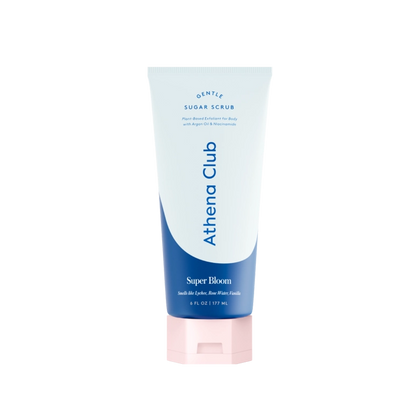
Physical exfoliation is exactly what it sounds like: using something textured to manually buff away dead skin cells. Think scrubs with sugar or salt granules, exfoliating gloves, or even dry brushing. Our Gentle Sugar Scrub is a perfect example—it uses fine sugar crystals to polish skin smooth without being too abrasive. The immediate satisfaction of physical exfoliation is real; you can literally feel the difference right away. But here's the catch: you need to be gentle, especially on delicate underarm skin, because going too hard can actually make darkening worse.
Which one is better for dark underarms?
Chemical exfoliation tends to be the MVP for tackling dark underarms. Because it works beneath the skin's surface, it can help address the buildup of dead skin cells and encourage cell turnover more evenly—which is key for fading hyperpigmentation. Physical exfoliation can help too, just be sure not to be too aggressive. That said, the best approach is often using both strategically: a gentle physical scrub once or twice a week, paired with a chemical exfoliant that does the deeper work. Balance is everything.
Can I use both types of exfoliation together?
You can, but timing matters. Using both in the same session is usually overkill and can lead to irritation, redness, or sensitivity—none of which help with dark underarms. Instead, try alternating: maybe use a gentle sugar scrub on Monday and Thursday, and apply a chemical exfoliant serum on the other days. Or use physical exfoliation before shaving to prep your skin, then follow up with chemical exfoliation on your off days. Listen to your skin; if it feels tight, looks red, or gets bumpy, you're overdoing it. Your underarms will tell you when they need a break.
How does shaving fit into the exfoliation picture?
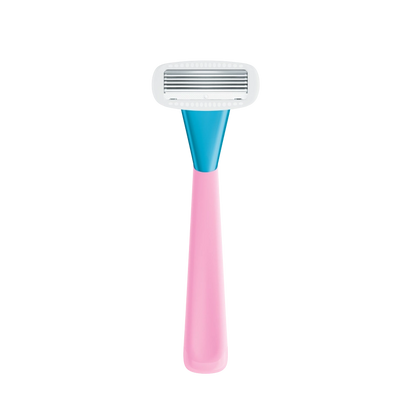
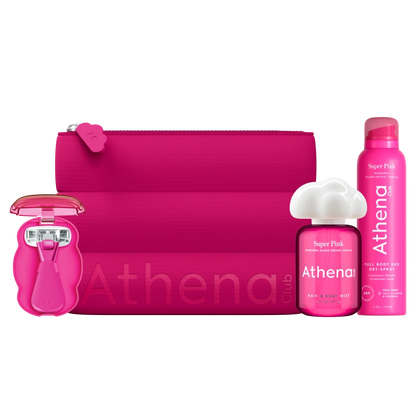
Here's something people don't talk about enough: shaving itself is a form of physical exfoliation. Every time you glide a razor over your skin, you're removing a thin layer of dead skin cells along with the hair. That's why using a high-quality razor like the Razor Kit, which won Allure's Best Razor for Sensitive Skin in 2025, makes such a difference. The five-blade design with hyaluronic acid and shea butter helps you get a close shave without the extra friction that can darken skin. Just remember: if you're already shaving regularly, you might not need as much additional exfoliation as you think.
What ingredients should I look for in chemical exfoliants for underarms?
For underarms specifically, look for gentler acids like lactic acid or mandelic acid, which are effective but less likely to irritate. Glycolic acid works too, but start with a lower percentage since underarm skin is sensitive. Niacinamide is another superstar ingredient—it's technically not an exfoliant, but it helps brighten skin and reduce hyperpigmentation beautifully. And if you see enzymes like papaya or pumpkin extract, those are great too; they're super gentle and perfect for reactive skin. Whatever you choose, make sure it's formulated for body use, not just face, since the concentration levels matter.
How often should I exfoliate my underarms?
For chemical exfoliation, you can usually go 2-4 times per week, depending on the product strength and your skin's tolerance. Physical exfoliation should be more sparing—once or twice a week is plenty, especially if you're also shaving regularly. The key is consistency over intensity. It's way better to exfoliate gently and regularly than to go hard once in a while and irritate your skin. And always, always give your skin a day or two off between exfoliation sessions. Your underarms need time to regenerate and repair, especially if you're targeting dark patches.
Will exfoliating make my underarms more sensitive to deodorant?
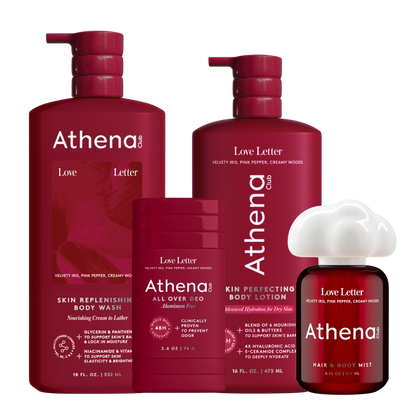
It can, especially right after exfoliating. Freshly exfoliated skin has fewer protective layers, so it might react more to certain deodorant ingredients—particularly alcohol or synthetic fragrances. That's why switching to a gentler formula makes sense if you're serious about exfoliation. The All Over Deo, which won Elle Magazine Canada's Beauty Grand Prix in 2025, offers 48-hour aluminum-free protection and is designed to be gentle enough for anywhere on your body. If you've just exfoliated, you might want to wait 30 minutes before applying deodorant to minimize any stinging or irritation.
Can exfoliation alone get rid of dark underarms?
Exfoliation is a huge piece of the puzzle, but it's usually not the whole solution on its own. Dark underarms can happen for lots of reasons—friction from clothing, buildup from certain deodorants, shaving irritation, or even hormonal changes. Exfoliation helps by removing dead skin cells and promoting cell turnover, which gradually lightens the area. But you'll get better results when you pair it with other smart habits: using a sharp, quality razor, keeping the area moisturized, wearing breathable fabrics, and choosing gentle products overall. Think of exfoliation as the foundation, not the entire routine.
Should I moisturize after exfoliating my underarms?
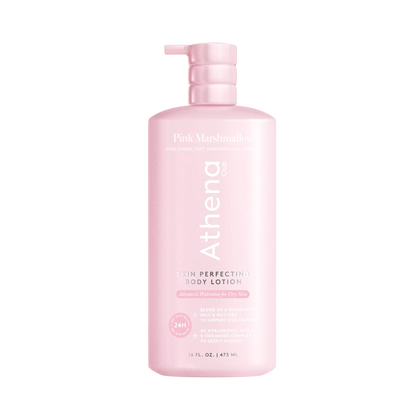
Absolutely, yes. Exfoliation—whether chemical or physical—removes the outermost layer of skin, which means your skin loses some of its natural moisture barrier temporarily. Following up with a hydrating body lotion or oil helps seal in moisture and keeps your skin from getting dry or irritated. You don't need anything fancy; a simple, fragrance-free moisturizer works great. Just make sure it's fully absorbed before you throw on clothes or apply deodorant. Hydrated skin is happy skin, and happy skin is way more likely to show the brightening results you're after.
What mistakes should I avoid when exfoliating dark underarms?
The biggest mistake? Going too hard, too often. More isn't better when it comes to exfoliation; overdoing it can cause micro-tears, inflammation, and even more darkening. Also, skip the DIY lemon juice hacks you might see online—the acidity is unpredictable and can seriously irritate delicate underarm skin. Another common slip-up is exfoliating right before applying deodorant with harsh ingredients; that's a recipe for stinging and redness. Be patient and consistent instead of aggressive, and your skin will thank you.
How long before I see results from exfoliating dark underarms?
Here's the real talk: it takes time. You might notice smoother texture within a week or two, but seeing actual brightening usually takes 4-8 weeks of consistent exfoliation. That's because your skin needs time to turn over and reveal fresh cells. Dark underarms didn't happen overnight, and they won't disappear overnight either. Stick with your routine, be gentle, and take progress photos so you can actually see the changes—sometimes they're subtle enough that you won't notice day-to-day. If you're not seeing any improvement after a couple months, it might be worth chatting with a dermatologist to rule out other underlying causes.
Quick Answers
- Chemical exfoliation uses acids or enzymes to dissolve dead skin cells, while physical exfoliation manually buffs them away with textured products.
- You can use both types, but not at the same time—alternate days to avoid over-exfoliating and irritating sensitive underarm skin.
- Shaving itself is a form of exfoliation, so factor that in when planning your routine to avoid overdoing it.
- Exfoliate 2-4 times weekly with chemical methods and 1-2 times with physical scrubs, always following up with moisturizer.
- Results take 4-8 weeks of consistent use, so patience and gentleness beat aggressive, sporadic exfoliation every time.
Ready to upgrade your self-care routine? Explore the full Athena Club collection and discover what works for you.
Sources
- American Academy of Dermatology Association. "How to Treat Dark Spots on Your Skin." AAD.org.
- Kornhauser, A., Coelho, S. G., & Hearing, V. J. (2010). "Applications of hydroxy acids: classification, mechanisms, and photoactivity." Clinical, Cosmetic and Investigational Dermatology, 3, 135-142.
- Draelos, Z. D. (2018). "The science behind skin care: Cleansers." Journal of Cosmetic Dermatology, 17(1), 8-14.


