


































If you've noticed darker skin on your inner thighs and you're wondering how to navigate hair removal without making things worse, you're definitely not alone. Between friction, ingrown hairs, and just trying to figure out what actually works, it can feel like a guessing game. The good news? Understanding the differences between shaving and waxing—and how each affects darker skin in that delicate area—can help you make the choice that's right for your body.
Why do inner thighs get darker in the first place?
Honestly, it's super common and totally normal. The skin on your inner thighs tends to darken because of friction—your thighs rubbing together throughout the day can trigger something called post-inflammatory hyperpigmentation.1 Basically, your skin responds to repeated irritation by producing more melanin, which is the pigment that gives skin its color. Tight clothing, chafing, and yes, even hair removal methods can contribute to this. Hormonal changes and genetics also play a role, so if you've noticed this happening, know that it's not something you're doing wrong—it's just how bodies work sometimes.
Does shaving make dark inner thighs worse?
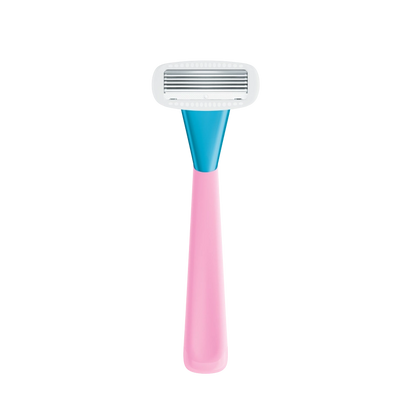
The short answer is: it can, but it doesn't have to. Shaving itself doesn't directly cause darkening, but poor shaving habits definitely can. Using a dull razor, going in dry without any lubrication, or pressing too hard can all irritate the skin and lead to more hyperpigmentation over time.2 The good news is that with the right technique and tools, shaving can actually be gentle enough for this sensitive area. A sharp, multi-blade razor like the Razor Kit—which has five spaced-out blades that follow your curves plus a hyaluronic acid serum strip—makes a huge difference. Pair it with a cushioning formula like Fluffy Shave Butter, which won Allure's Best of Beauty Award two years running, and you're setting yourself up for a smoother, less irritating experience.
Is waxing better for preventing dark inner thighs?
Here's the thing: waxing removes hair from the root, so you get longer-lasting smoothness and less frequent hair removal overall. That means less regular friction and potential irritation in theory. But waxing also involves literally ripping hair out, which can be pretty intense for already-sensitive or darkened skin. If the wax is too hot or you're waxing too frequently, you can actually cause more inflammation and worsen hyperpigmentation.3 Some people find that spacing out waxing sessions works great for their inner thighs, while others find the process too harsh. It really depends on your skin's sensitivity and how it reacts to that level of hair removal.
Which method is less likely to cause ingrown hairs on inner thighs?
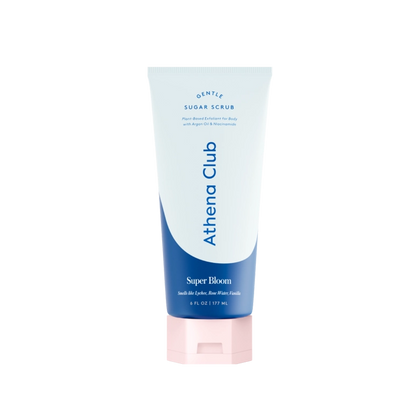
Both shaving and waxing can lead to ingrown hairs, but they happen for slightly different reasons. With shaving, you're cutting the hair at the surface, and sometimes those hairs grow back at an angle and get trapped under the skin. With waxing, new hair has to push through from deeper down, and it can also get stuck along the way—especially in areas where your skin rubs together constantly. If ingrowns are your main concern, exfoliation is your best friend regardless of which method you choose. Using a gentle scrub like the Gentle Sugar Scrub a couple times a week can help keep those hair follicles clear and prevent bumps from forming.
How often should I shave my inner thighs compared to waxing?
With shaving, most people find they need to do it every few days to maintain smoothness—maybe two to four times a week depending on how fast your hair grows. Waxing, on the other hand, gives you about three to six weeks of smoothness since it removes hair from the root. The trade-off is that waxing requires more time between sessions and you have to let the hair grow out a bit before your next appointment. If you're someone who loves that fresh, just-shaved feeling and doesn't mind a quick routine every few days, shaving might be your vibe. If you'd rather deal with it less often and can handle the initial discomfort, waxing could be the move.
Can I lighten dark inner thighs while still removing hair?
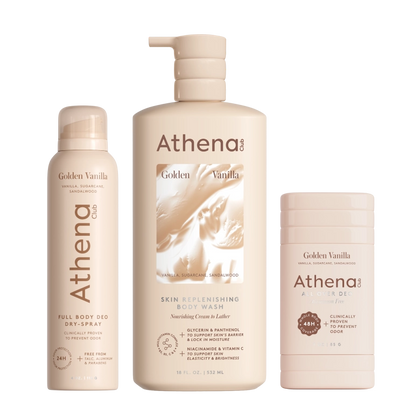
Absolutely. The key is being gentle and consistent with your overall skin care routine. Exfoliating regularly helps remove dead skin cells and can gradually improve the appearance of darkened areas. Keeping the skin moisturized and avoiding unnecessary friction also makes a difference. When you do remove hair—whether by shaving or waxing—focus on minimizing irritation. That means using sharp razors, quality shaving products, and never skipping the prep work. A pH-balanced cleanser like the Skin Replenishing Body Wash, which won Elle Magazine Canada's Beauty Grand Prix, can help maintain your skin's natural barrier while keeping things clean and refreshed. Over time, reducing irritation and inflammation can help your skin tone even out naturally.
What's the best way to prep inner thighs before shaving or waxing?
Prep is everything, honestly. Before either method, you want to gently exfoliate to remove dead skin and lift any hairs that might be lying flat against the skin. A warm shower helps too—it softens the hair and opens up the follicles, making removal easier and less painful. If you're shaving, make sure to use a lubricating product that creates a protective barrier between the blade and your skin. The Glossy Shave Oil is a game-changer here—it's an oil-serum hybrid with SKINCLOUD™ technology that gives you that smooth, just-glided-on feeling while protecting your skin. If you're waxing, make sure your hair is at least a quarter-inch long and that your skin is completely clean and dry before applying wax.
Does one method hurt more than the other on sensitive inner thighs?
Let's be real: waxing typically hurts more in the moment because you're pulling hair out from the root. The inner thighs are a pretty sensitive area, and that quick rip can definitely make you wince. Shaving, when done correctly, should be virtually painless—you might feel a slight tug if your razor is dull, but that's your sign to swap in a fresh blade. The thing is, some people find that the short-term pain of waxing is worth it for weeks of smoothness, while others would much rather do a gentle, pain-free shave every few days. It's totally a personal preference thing, and there's no wrong answer.
Will my inner thighs stay smoother longer with waxing?
Yes, generally speaking. Since waxing removes hair from the root, it takes longer for new hair to grow back—usually three to six weeks depending on your hair growth cycle. Shaving only cuts hair at the surface, so you'll start to feel stubble within a day or two. That longer smoothness is one of waxing's biggest perks. But keep in mind that you'll need to let hair grow out between waxing sessions, which some people find annoying. With shaving, you can touch up whenever you want without any waiting period.
Can I switch between shaving and waxing, or should I pick one?
You can totally switch it up based on what works for your schedule and skin at any given time. Some people wax during the summer when they want longer-lasting results and shave during cooler months when hair is less visible. Others might wax for special occasions and shave in between. The main thing to watch out for is over-doing it—if you wax and then shave the regrowth too soon, you might irritate the skin more than necessary. Give your skin time to recover between methods, and pay attention to how it responds. Your inner thighs will tell you what they can handle.
What should I do after shaving or waxing to protect dark inner thighs?
Aftercare is just as important as prep. Right after hair removal, your skin is more vulnerable to irritation and friction. Avoid tight clothing for at least a few hours if you can, and definitely skip any heavily fragranced lotions or products that might sting. Keep the area clean and moisturized, but let your skin breathe. If you deal with chafing regularly, consider using a product that reduces friction—something like the All Over Deo, which won Elle Magazine Canada's Beauty Grand Prix and offers 48-hour aluminum-free protection, can actually work anywhere on your body where you need a little extra smoothness and odor control. And continue exfoliating gently a couple times a week to prevent ingrown hairs and keep skin looking its best.
Quick Answers
- Dark inner thighs are usually caused by friction and are completely normal—hair removal methods can either help or hurt depending on your technique.
- Shaving is gentler in the moment and allows for frequent touch-ups, while waxing lasts longer but can be more intense on sensitive skin.
- Both methods can cause ingrown hairs or worsen hyperpigmentation if you skip proper prep, aftercare, and exfoliation.
- The best choice depends on your pain tolerance, how often you want to remove hair, and how your skin personally reacts—there's no one-size-fits-all answer.
- Gentle products, sharp razors, and consistent skin care make the biggest difference in keeping inner thighs smooth and healthy-looking.
Ready to upgrade your self-care routine? Explore the full Athena Club collection and discover what works for you.
Sources
- American Academy of Dermatology Association. "Dark Spots on the Skin: Causes and Treatments." AAD.org.
- Cleveland Clinic. "Hyperpigmentation: What Causes Skin to Darken?" Cleveland Clinic Health Library, 2023.
- Journal of Clinical and Aesthetic Dermatology. "Post-Inflammatory Hyperpigmentation: A Review of the Epidemiology, Clinical Features, and Treatment Options in Skin of Color." JCAD Online, 2011.


