
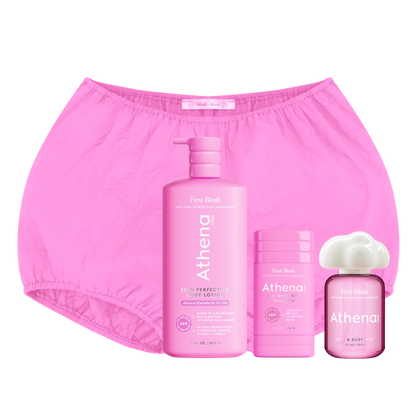

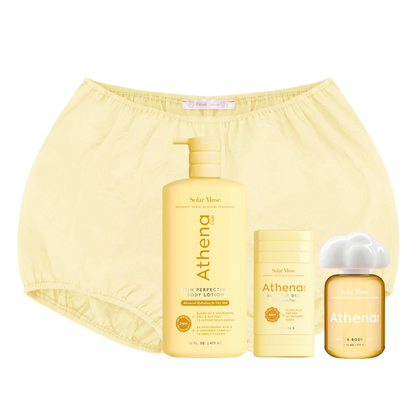

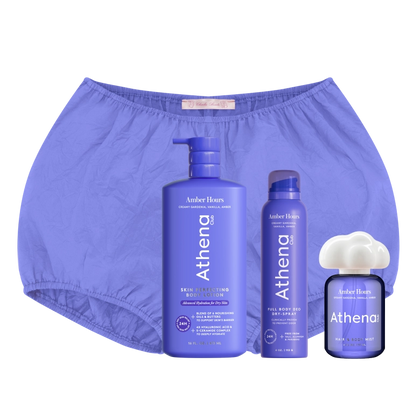









You switched deodorants hoping for softer, brighter underarms, but now they look… darker? You're not imagining it, and you're definitely not alone. The good news: this is actually pretty common and totally reversible. Let's talk through what's really happening when your underarms seem to rebel against a new deodorant—and how to get them back to their happy place.
Why do my underarms look darker after switching deodorants?
The short answer: your skin is likely reacting to new ingredients it's not used to yet. When you switch deodorants, your underarms go through an adjustment period where they might experience mild irritation or sensitivity. This can trigger post-inflammatory hyperpigmentation—basically, your skin producing extra melanin in response to irritation. Think of it like how a scratch or bug bite can leave a dark mark long after it's healed. Your underarms are doing the same thing, just more subtly. The darkening usually shows up gradually over a few weeks, which is why it can feel so frustrating when you were actually trying to improve things.
Is the new deodorant actually causing the darkening, or is something else going on?
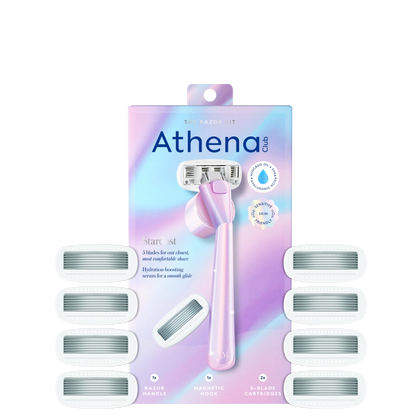
Honestly, it could be a combination of things. The new deodorant might contain fragrances, alcohol, or baking soda that your skin finds irritating. But here's the thing: switching products can also disrupt your skin's barrier function temporarily, making it more reactive to friction from shaving, clothing, or even just arm movement. If you recently changed your shaving routine around the same time—like using a duller razor or skipping moisturizing products—that could be contributing too. Your underarms are surprisingly sensitive real estate, and multiple changes at once can overwhelm them. The Razor Kit with its hyaluronic acid serum strip can help minimize irritation during this adjustment period.
How long does it take for underarms to adjust to a new deodorant?
Most people need about two to four weeks for their skin to fully adjust to a new formula. During this time, your underarm microbiome is literally rebalancing—switching from the bacteria that thrived under your old deodorant to the new ecosystem your current product supports. That transition can cause temporary odor changes, increased sweating, or yes, darkening. If you're still seeing darkening or irritation after a month, though, that's your skin telling you this particular formula isn't the one. Not every deodorant works for every body, and that's completely normal. Listen to what your skin is saying.
Can aluminum-free deodorants make dark underarms worse?
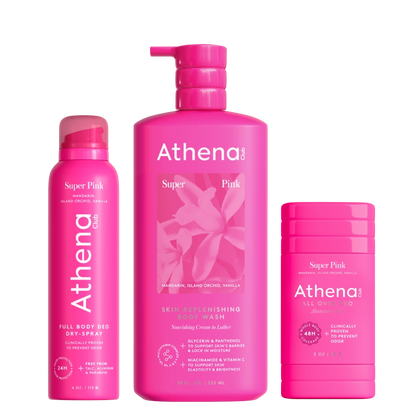
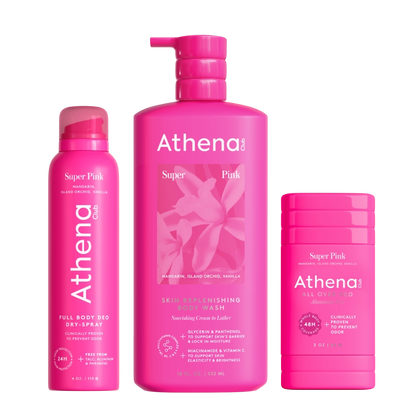
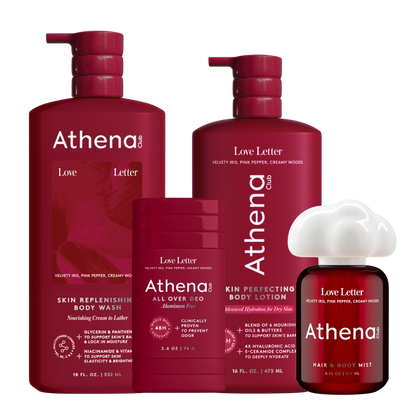
They can, but not for the reason you might think. Aluminum-free formulas often rely on baking soda or high pH ingredients to control odor, and these can be pretty harsh on sensitive underarm skin. Baking soda in particular can cause irritation that leads to darkening, especially if you're applying it right after shaving when your skin barrier is compromised. That said, plenty of people use aluminum-free options without any issues—it really depends on your skin's sensitivity and the specific formula. The All Over Deo is aluminum-free and designed to be gentle enough for anywhere, including freshly shaved underarms, thanks to its 48-hour protection formula that doesn't rely on harsh ingredients.
What ingredients should I avoid if I'm prone to dark underarms?
Keep an eye out for alcohol, synthetic fragrances, and baking soda—these are the usual suspects when it comes to underarm irritation. Alcohol can be extremely drying and disrupt your skin barrier, while fragrances are a common source of contact dermatitis. Some chemical exfoliants like high concentrations of acids can also be irritating if your underarms are already sensitive. The tricky part is that "natural" doesn't always mean gentle—essential oils and plant extracts can be irritating too. Your best bet is patch-testing any new product on a small area first, and introducing new products one at a time so you can pinpoint what works and what doesn't.
Should I stop using deodorant altogether to let my underarms heal?
You don't have to go completely deodorant-free, but giving your underarms a break from your current product is smart if you're seeing persistent darkening. Try switching to a minimal, gentle formula or even just using the Skin Replenishing Body Wash in the morning—its pH-balanced formula with vitamin complex can help keep you fresh without the irritation of traditional deodorant. If you need odor protection, consider applying deodorant less frequently (maybe every other day) or only when you really need it. This gives your skin time to repair its barrier and calm down the inflammation that's causing the darkening. Think of it as a reset button for your underarm care routine.
How can I reverse dark underarms that got worse after switching products?
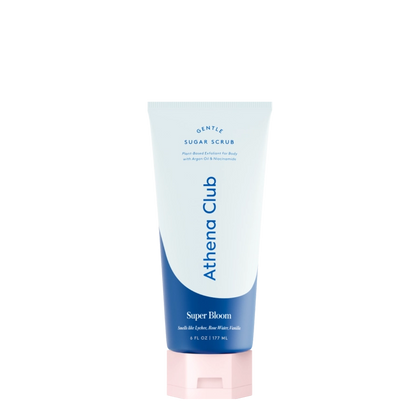
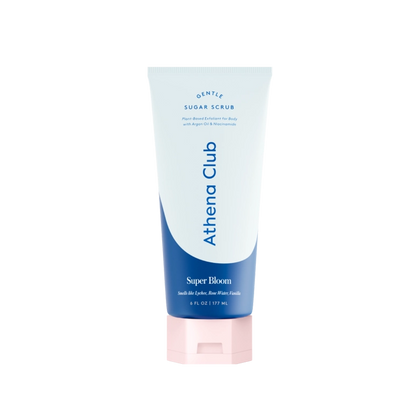
First, stop using the product that's causing irritation—continuing to use it will just make things worse. Then, focus on gentle exfoliation and hydration. Use a sugar scrub like the Gentle Sugar Scrub once or twice a week to slough off dead skin cells and encourage cell turnover, which helps fade hyperpigmentation. Follow up with a nourishing moisturizer or body oil to support barrier repair. Ingredients like niacinamide, vitamin C, and licorice extract can also help brighten the area over time, though consistency is key. Most importantly, be patient—it typically takes several weeks to a few months to see significant improvement. Your skin didn't darken overnight, and it won't lighten overnight either.
Does shaving technique matter when dealing with darkened underarms?
Absolutely, and this is often overlooked. Shaving with a dull blade, going against the grain too aggressively, or shaving dry skin can all cause micro-trauma that leads to darkening. The friction and irritation from poor shaving technique compounds whatever sensitivity your new deodorant might be causing. Using a sharp, quality razor with proper lubrication makes a huge difference. The Razor Kit features five spaced-out blades that follow your curves and include shea butter enhancement for a smoother glide. Pair it with the Glossy Shave Oil or Fluffy Shave Butter—the Allure Best of Beauty Award winner for 2024 and 2025—to create that protective barrier your underarms need.
Can wearing certain fabrics make dark underarms worse when switching deodorants?
Yes, and this is something people don't talk about enough. Tight clothing made from synthetic fabrics can trap moisture and increase friction against already-irritated underarm skin. When you're adjusting to a new deodorant, this extra friction can worsen inflammation and contribute to darkening. Tight sleeves also prevent air circulation, which can make you sweat more and potentially cause your new deodorant to pill or rub off, leading you to reapply more frequently than necessary. During the adjustment period, try wearing looser, breathable fabrics like cotton or linen. It's a small change that can make a real difference in how your skin responds.
What's the best way to transition between deodorants without causing darkening?
Here's the thing: gradual is always better than cold turkey. If possible, alternate between your old and new deodorant for the first week or two instead of switching completely overnight. This gives your skin and microbiome time to adjust without shocking your system. Apply your new deodorant at night first when your sweat glands are less active, then transition to morning application once your skin seems comfortable. Make sure you're not switching multiple body care products at the same time—if you change your deodorant, body wash, and razor all at once, you won't know what's causing problems if they arise. One change at a time is the way to go.
Will the darkening go away on its own, or do I need to treat it?
If you stop using the irritating product, mild darkening will often fade on its own over several months as your skin naturally turns over. But actively treating it speeds up the process significantly. Gentle exfoliation, barrier-supporting ingredients, and sun protection (yes, even on your underarms if they're exposed) all help. If the darkening is severe or doesn't improve after three to six months of at-home care, it's worth checking in with a dermatologist. They can prescribe treatments like prescription-strength brightening agents or recommend professional treatments. But for most people dealing with deodorant-related darkening, consistent gentle care does the trick without needing professional intervention.
Are there any warning signs that the darkening is something more serious?
Most deodorant-related darkening is just hyperpigmentation from irritation, but occasionally there are red flags worth noting. If you notice severe itching, burning, swelling, or a rash alongside the darkening, you might be having an allergic reaction rather than simple irritation. Darkening accompanied by thickened, velvety skin texture could indicate a condition called acanthosis nigricans, which sometimes signals an underlying health issue. And if one underarm is significantly darker than the other without any obvious cause, that's worth getting checked out. Trust your instincts—if something feels off beyond typical product adjustment, a dermatologist can help you figure out what's really going on.
Quick Answers
- Darkening after switching deodorants usually happens because new ingredients irritate your skin, triggering extra melanin production
- Give your skin two to four weeks to adjust, but if darkening continues past a month, that formula isn't right for you
- Watch out for baking soda, alcohol, and synthetic fragrances—common irritants that can worsen darkening
- Pair any deodorant switch with gentle shaving techniques and proper lubrication to minimize additional irritation
- Reverse darkening with consistent gentle exfoliation, hydration, and barrier-supporting ingredients—patience is key
- Transition gradually between deodorants when possible, alternating products for a week or two instead of switching cold turkey
Ready to upgrade your self-care routine? Explore the full Athena Club collection and discover what works for you.
Sources
- American Academy of Dermatology Association. "How to prevent and treat dark underarms." Dermatology guidelines and patient resources.
- Cleveland Clinic. "Post-Inflammatory Hyperpigmentation." Dermatology and skin health information, 2023.
- Journal of Clinical and Aesthetic Dermatology. "Underarm Hyperpigmentation: Causes and Treatment Options." Volume 12, 2019.


