
















You've been faithfully exfoliating, doing all the right things, and yet—boom—another ingrown hair shows up. Frustrating, right? The truth is, exfoliation is a total game-changer for preventing ingrown hairs, but it's not a magic wand. How you exfoliate, when you do it, and what you pair it with all matter just as much as doing it at all. Let's dig into why you might still be dealing with those pesky bumps and how to time your exfoliation routine for seriously smooth results.
Why am I still getting ingrown hairs even though I exfoliate regularly?
Here's the thing: exfoliation helps, but it's only one piece of the puzzle. If you're still seeing ingrown hairs crop up, it might be about your shaving technique, the tools you're using, or even the timing of your exfoliation. Dull razor blades are a huge culprit—they tug at hair instead of cutting it cleanly, which can cause hairs to grow back at weird angles under the skin.1 Also, if you're exfoliating at the wrong time (like immediately before shaving), you might be irritating your skin rather than prepping it properly.
Another factor? The direction you shave. Going against the grain might feel like it gives you a closer shave, but it actually increases your risk of ingrown hairs because it cuts the hair below the skin's surface.2 And if you're using heavy lotions right after shaving, they can clog your freshly opened pores. The solution is usually a combo approach: exfoliate at the right time, use sharp blades (like those in the Razor Kit), shave in the direction of hair growth, and keep your skin hydrated without suffocating it.
When's the best time to exfoliate before shaving—right before or the night before?
Honestly, the night before is your sweet spot. Exfoliating right before you shave can leave your skin a bit too sensitive and raw, especially if you're using a physical scrub. When you give your skin those 12-24 hours to recover, you're clearing away dead skin cells and letting any minor irritation calm down, so your razor glides smoothly without causing extra friction or redness.3 Think of it like prepping a canvas before painting—you want a smooth, settled surface.
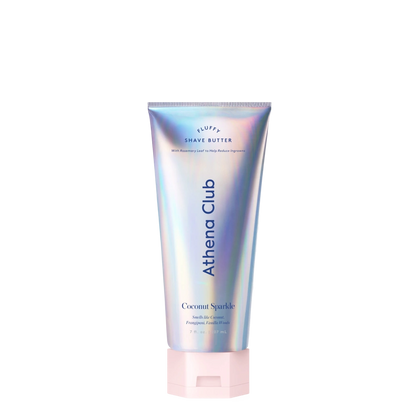
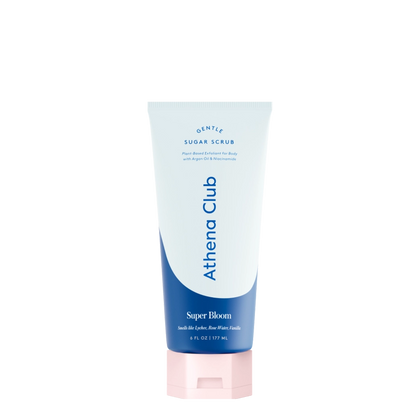
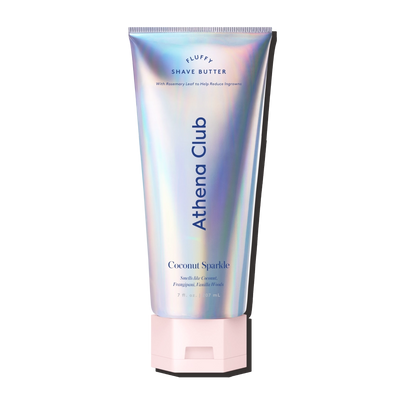
Try using the Gentle Sugar Scrub the evening before your morning shave. It buffs away buildup and preps your skin beautifully without over-sensitizing it. Then when you shave the next day with something cushioning like Fluffy Shave Butter (which won Allure's Best of Beauty Award in 2024 and 2025), your skin is already prepped and ready for that smooth glide.
How often should I actually be exfoliating to prevent ingrown hairs?
The short answer is 2-3 times a week for most people. Over-exfoliating is just as problematic as not exfoliating enough—it can strip your skin's protective barrier and actually make ingrown hairs worse because your skin gets inflamed and irritated.1 If you're someone with sensitive skin or you shave daily, you might want to stick closer to twice a week and see how your skin responds.
Pay attention to what your skin is telling you. If you notice redness, excessive dryness, or more bumps appearing, dial it back. If you're still dealing with texture and ingrowns, you might need to bump it up slightly. Consistency matters more than frequency—regular, gentle exfoliation beats aggressive, sporadic scrubbing every single time.
Can I exfoliate right after shaving, or is that a bad idea?
Yeah, that's a bad idea. Your skin right after shaving is basically in recovery mode—you've just dragged a blade across it, and those pores are wide open and vulnerable. Exfoliating immediately after would be like adding insult to injury. You'd be irritating already-sensitive skin and potentially pushing bacteria into those open follicles, which can lead to inflammation, redness, and—you guessed it—more ingrown hairs.2
Instead, give your skin at least 24-48 hours before you exfoliate again. Right after shaving, focus on soothing and hydrating. Rinse with cool water, pat dry gently, and follow up with a lightweight, non-comedogenic moisturizer. Save the exfoliation for a day or two later when your skin has had time to chill out.
Does the type of exfoliation matter for preventing ingrown hairs?
Absolutely. Physical exfoliants (like sugar scrubs) and chemical exfoliants (like AHAs and BHAs) work differently, and some skin types respond better to one over the other. Physical exfoliants manually buff away dead skin, which is super satisfying and effective if you don't press too hard. Chemical exfoliants dissolve the bonds between dead skin cells, which can be gentler for sensitive skin but might take a bit longer to see results.3
For body care and shaving prep, a gentle physical exfoliant like the Gentle Sugar Scrub works beautifully because you can control the pressure and target specific areas prone to ingrowns—think bikini line, underarms, and legs. Just use circular motions and let the product do the work rather than scrubbing like you're trying to erase a stubborn stain.
What if I exfoliate but my razor is still causing ingrown hairs?
Then it's time to look at your razor situation. A dull blade or a razor with blades too close together can yank and tug at hair instead of cutting it cleanly, which creates the perfect conditions for ingrown hairs no matter how much you exfoliate.1 You need sharp blades that follow the natural contours of your body so they're cutting hair at the surface level, not below it.
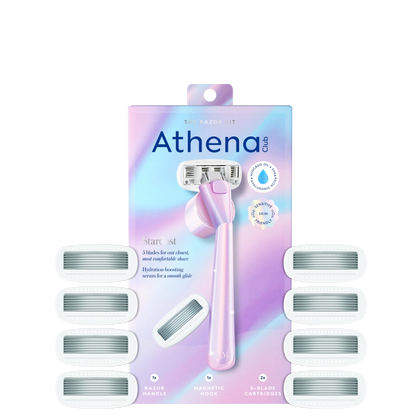
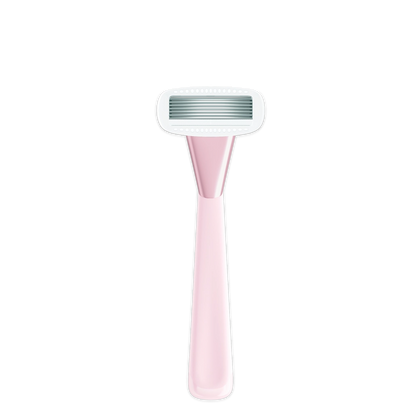
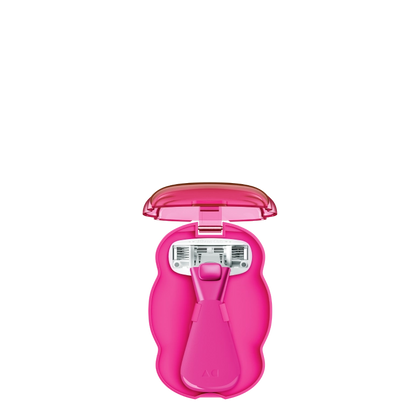
The Razor Kit is designed specifically to tackle this problem. It features a 5-blade design with spaced-out blades that follow your curves, plus a hyaluronic acid serum strip and shea butter-enhanced blades for a smooth glide. Good Housekeeping found it delivers 89% single-pass shaving, which means less going over the same area repeatedly—and that means less irritation and fewer ingrown hairs. Also, swap out your blades regularly. Most people wait way too long.
Should I exfoliate on days I'm not shaving too?
Yes, but with some nuance. Exfoliating on non-shaving days helps keep your skin texture smooth and prevents dead skin buildup that can trap hairs. But you don't need to exfoliate every single day—that's overkill. Stick to your 2-3 times per week schedule, and space it out so you're not doubling up exfoliation and shaving on the same day or back-to-back days.
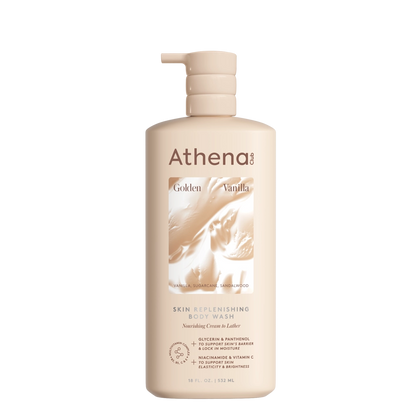
Think of it as maintenance. On days you're not shaving, a gentle exfoliation session keeps things fresh and clear. Then when you do shave, your skin is already in good shape. Just make sure you're cleansing regularly too—the Skin Replenishing Body Wash is a pH-balanced formula that cleanses and nourishes without stripping your skin. It's not an exfoliant, but it's perfect for keeping your skin clean and balanced between exfoliation sessions.
Can shaving products make a difference in preventing ingrown hairs even if I exfoliate?
Totally. The products you use to shave matter just as much as your exfoliation routine. If you're shaving with just water or a drying soap, your razor isn't getting the slip it needs, which increases friction and the likelihood of irritation and ingrowns.2 You want something that creates a protective cushion between your blade and your skin while also hydrating and nourishing.
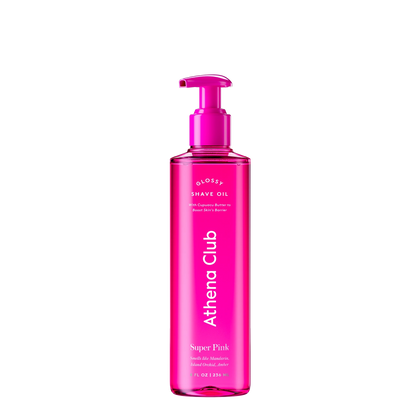
For a silky-smooth shave, try the Glossy Shave Oil—it's an oil-serum hybrid with SKINCLOUD™ technology that gives you incredible glide and visibility so you can see exactly where you're shaving. Or go with the Fluffy Shave Butter, which has a thick, creamy texture with rosemary leaf extract that cushions and protects. Both help your razor move smoothly without tugging, which is key for avoiding those pesky ingrown hairs.
Why do some areas get more ingrown hairs than others even with exfoliation?
Some areas just have thicker, curlier hair or skin that's more prone to friction—like your bikini line or underarms. Hair texture plays a huge role here. Coarser, curlier hair is more likely to curl back into the skin after it's cut, especially in areas where your skin rubs against clothing or other skin.1 Exfoliation helps, but these spots might need extra TLC.
For these trickier zones, be extra gentle when shaving. Use a fresh blade, shave in the direction of hair growth, and don't go over the same spot multiple times. Exfoliate these areas consistently (but gently), and consider wearing looser clothing right after shaving to minimize friction. The goal is to reduce irritation on all fronts—mechanical, chemical, and physical.
Does hydration and moisturizing play a role in preventing ingrown hairs?
One hundred percent. Hydrated skin is healthy skin, and healthy skin is way less likely to trap hairs beneath the surface. When your skin is dry and flaky, dead skin cells accumulate faster and can block hair follicles, leading to ingrowns.3 Plus, dry skin doesn't bounce back as well from the micro-trauma of shaving, so you're more likely to experience irritation and inflammation.
After you shave (and after your skin has calmed down), lock in moisture with a good body lotion or oil. And keep your skin hydrated daily, not just on shave days. Drinking water helps too, but topical hydration is where you'll see the most immediate difference in texture and ingrown hair prevention. Think of moisturizing as the finishing touch that seals in all your hard work.
How long does it take to see results from exfoliating regularly?
Give it about 2-3 weeks of consistent exfoliation before you start seeing a noticeable difference. Ingrown hairs that are already there might take a little time to work their way out as your skin naturally turns over and sheds dead cells. But new ingrowns should become less frequent pretty quickly once you've established a solid routine of exfoliating, using sharp blades, and shaving with proper technique.3
Be patient with your skin. If you're not seeing improvement after a month, reassess your routine. Maybe you need to exfoliate a bit more or less frequently, switch up your shaving products, or make sure you're replacing your razor blades often enough. Everyone's skin is different, so it might take a little tweaking to find your perfect rhythm.
Quick Answers
- Exfoliate the night before shaving, not right before or after, to give your skin time to recover and reduce sensitivity.
- Stick to 2-3 times per week—over-exfoliating can actually make ingrown hairs worse by irritating your skin.
- Sharp blades matter just as much as exfoliation. Dull razors tug at hair and increase ingrown hair risk.
- Use cushioning shaving products that create slip and protect your skin during your shave.
- Certain areas like the bikini line and underarms are more prone to ingrowns due to hair texture and friction—treat them gently and consistently.
- Keep your skin hydrated daily to support healthy cell turnover and prevent buildup that traps hairs.
The Bottom Line
Exfoliation is a major player in preventing ingrown hairs, but it works best when it's part of a bigger routine. Timing matters, technique matters, and the tools you use matter. Exfoliate consistently but gently, give your skin time to recover between exfoliation and shaving, use sharp blades that glide smoothly, and don't forget to hydrate. When you combine all these elements, you're setting yourself up for that smooth, bump-free skin you're after. It's not about perfection—it's about finding what works for your skin and sticking with it.
Ready to upgrade your self-care routine? Explore the full Athena Club collection and discover what works for you.
Sources
- American Academy of Dermatology Association. "How to Prevent Ingrown Hairs." AAD.org. Accessed 2025.
- Mayo Clinic. "Ingrown Hair: Diagnosis and Treatment." MayoClinic.org. Accessed 2025.
- Cleveland Clinic. "Ingrown Hairs: Causes, Treatment, and Prevention." ClevelandClinic.org. Accessed 2025.


