

















Why Do I Still Smell Bad Even With Deodorant and How pH Balance Affects Sensitive Underarms
You know that sinking feeling when you catch a whiff of... yourself... even though you definitely applied deodorant this morning? Maybe you've even reapplied throughout the day, but still, something's not quite right. Here's the thing: if your deodorant isn't working, it might not be the product's fault—or yours. The real culprit could be your underarm's pH balance throwing everything off. Let's talk about why your pits might be staging a rebellion and what you can actually do about it.
What's Really Happening Under There?
Your underarms are basically a tropical microclimate—warm, sometimes moist, and home to millions of bacteria. Before you cringe, know that this bacteria is totally normal and actually necessary. The problem starts when your underarm environment gets out of balance.
Here's how odor actually forms: Your sweat glands produce two types of sweat. The watery kind (from eccrine glands) is mostly odorless, but the thicker sweat from apocrine glands contains proteins and lipids that bacteria love to feast on.1 When bacteria break down these compounds, they release those not-so-pleasant smells we associate with body odor. Your deodorant is supposed to either kill odor-causing bacteria, mask the smell, or both—but if your skin's pH is off, even the best products can struggle to do their job.
Think of your skin's pH as the bouncer at an exclusive club. When it's at the right level (slightly acidic, around 4.5 to 5.5), it keeps the troublemaking bacteria in check while letting the good bacteria thrive.2 But when that balance gets disrupted—whether from harsh soaps, certain fabrics, stress, or hormonal changes—the wrong crowd moves in, and suddenly your deodorant is fighting an uphill battle.
Why Your Deodorant Might Be Making Things Worse
Let's be real: not all deodorants are created equal, and some might actually be contributing to the problem. Many conventional deodorants have a high pH level, which can disrupt your skin's natural acidity. When your underarm pH shifts from acidic to alkaline, you're basically rolling out the welcome mat for odor-causing bacteria.3
Then there's the build-up factor. If you're not properly cleansing your underarms (and we'll get to what "properly" means in a sec), layers of old product, dead skin cells, and bacteria create a barrier that prevents your fresh deodorant from actually reaching your skin. You're essentially putting deodorant on top of yesterday's deodorant on top of bacteria on top of dead skin. Not exactly a recipe for success.
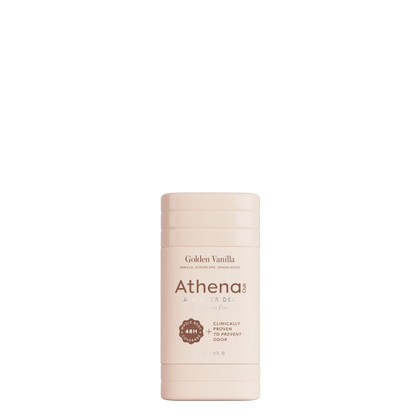
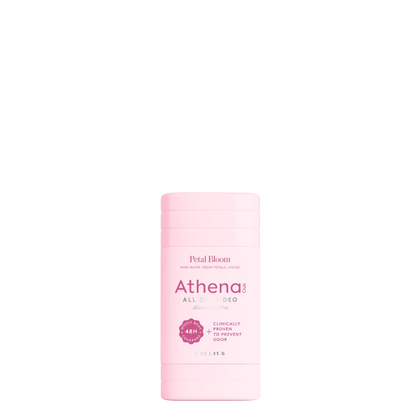
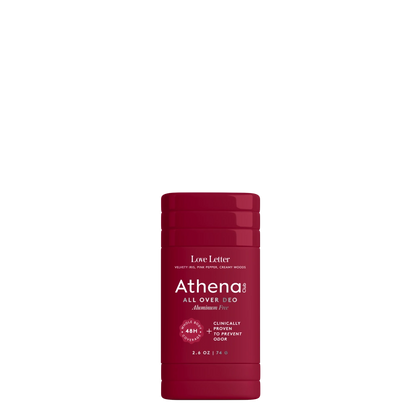
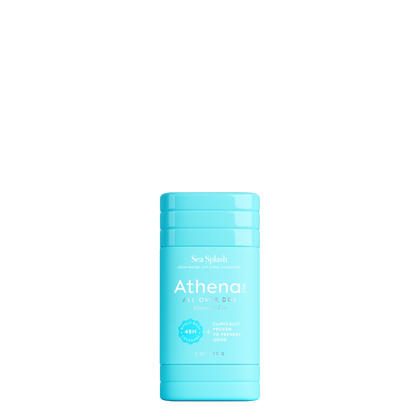
The good news? Switching to an option like All Over Deo—which earned an Elle Magazine Canada Beauty Grand Prix award in 2025—can make a real difference. It's formulated to work with your skin's natural pH, not against it, providing 48-hour aluminum-free protection wherever you need it.
How to Reset Your Underarm pH (and Your Confidence)
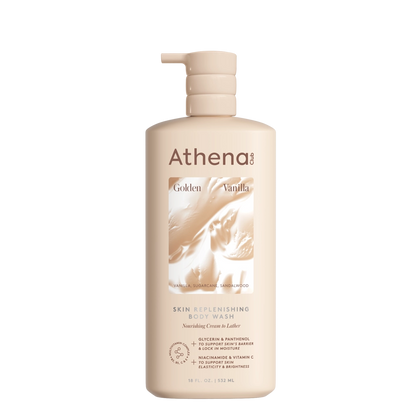
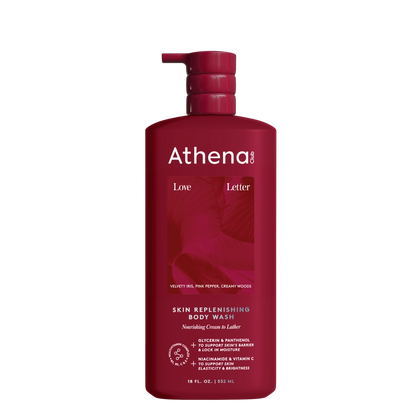
Ready for some good news? You can absolutely reset your underarm environment and get back to feeling fresh. Start with a clean slate—literally. Using a pH-balanced body wash is your first line of defense. Our Skin Replenishing Body Wash, which also won an Elle Magazine Canada Beauty Grand Prix award in 2025, is formulated with a vitamin complex to cleanse without stripping your skin's natural protective barrier.
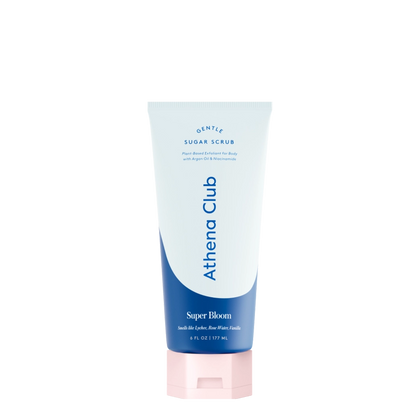
Next, consider exfoliating your underarms once or twice a week to remove dead skin cells and product build-up. Gentle is the operative word here—you're not scrubbing a pot, you're treating sensitive skin. A product like Gentle Sugar Scrub can help prep your skin while keeping it smooth and clear, allowing your deodorant to actually make contact with your skin.
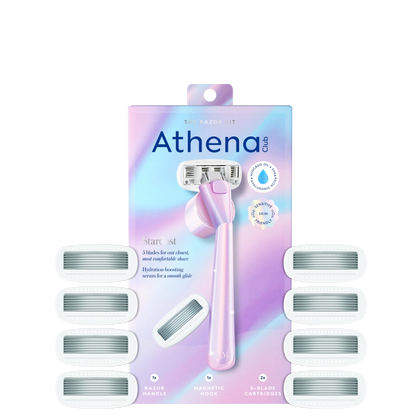
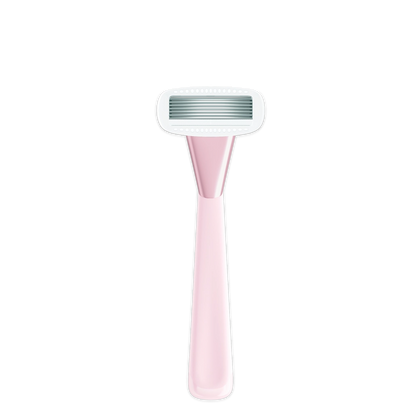
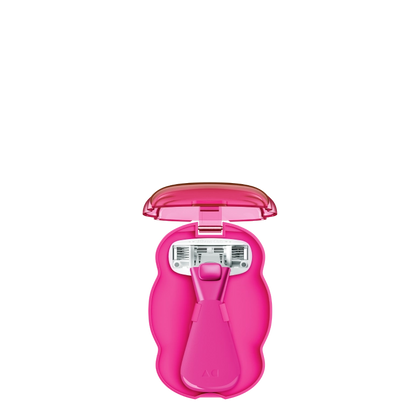
When it comes to hair removal, the method and tools matter more than you might think. Dull razor blades can cause micro-cuts and irritation, which disrupts your skin barrier and invites bacteria to party. The Razor Kit—which Allure named Best Razor for Sensitive Skin in 2025—features a 5-blade design with strategically spaced blades that follow your curves, plus a hyaluronic acid serum strip and shea butter–enhanced blades to protect your skin while you shave.
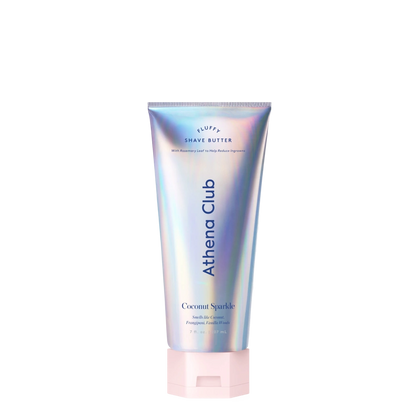
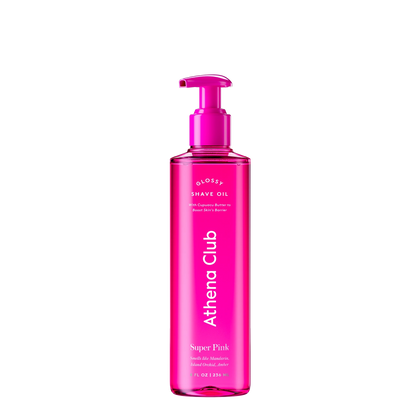
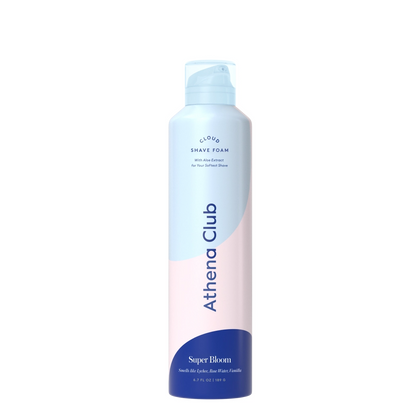
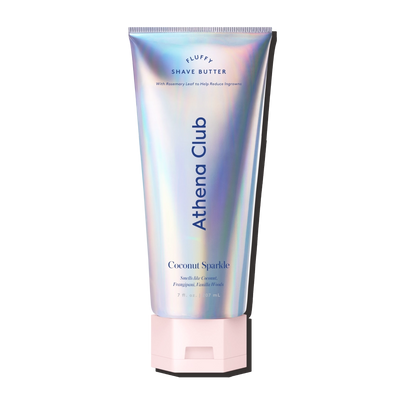
For the actual shaving process, prep is everything. Glossy Shave Oil with SKINCLOUD™ technology or Fluffy Shave Butter—an Allure Best of Beauty Award winner in both 2024 and 2025—creates a protective barrier that helps your razor glide smoothly while the rosemary leaf extract in the butter soothes your skin. This isn't just about getting a close shave; it's about protecting your skin's barrier so your pH can stay balanced.
Lifestyle Tweaks That Actually Help
Beyond your product lineup, some simple lifestyle adjustments can make a surprising difference. Your clothing choices matter—synthetic fabrics can trap moisture and heat, creating an even more favorable environment for odor-causing bacteria. Natural, breathable fabrics like cotton allow your skin to breathe and help moisture evaporate.
Diet can also play a role in body odor. Foods high in sulfur compounds (like garlic, onions, and cruciferous vegetables), red meat, and alcohol can influence how you smell.5 This doesn't mean you need to overhaul your entire diet, but if you notice your body odor getting worse, it might be worth paying attention to what you're eating.
Stress is another sneaky factor. When you're stressed, your body produces a different type of sweat from your apocrine glands—the same ones that produce that protein-rich sweat bacteria love. Managing stress through exercise, meditation, or whatever helps you unwind can actually help with body odor. Who knew your mental health and your underarm health were connected?
Finally, give your underarms some breathing room when you can. Sleeping without tight clothing or going product-free when you're lounging at home allows your skin to regulate itself naturally. Think of it as a reset button for your underarm microbiome.
When to Consider a Different Approach
Sometimes, persistent odor despite your best efforts might signal something worth checking out with a healthcare provider. Conditions like hyperhidrosis (excessive sweating), hormonal imbalances, or certain medications can all affect body odor.6 If you've tried adjusting your routine and products but still struggle with odor or irritation, it's worth having a conversation with your doctor.
That said, for most people, the combination of pH-balanced products, gentle care, and attention to your underarm environment makes a world of difference. If you're dealing with extra-sensitive skin or need coverage beyond just your underarms, Full Body Deo Dry-Spray offers 24-hour odor control with rice starch and can be used anywhere you need a little extra freshness.
The Bottom Line
- Your skin's pH balance is the unsung hero of odor control—when it's off, even the best deodorant struggles to work
- Gentle, pH-balanced cleansing and thoughtful hair removal can reset your underarm environment and help products work better
- Sensitive underarms need extra TLC, from the razor you use to the fabrics you wear
- Build-up from old products and dead skin can prevent deodorant from reaching your skin—regular exfoliation helps
- If nothing seems to work, it might be worth chatting with your doctor to rule out underlying causes
The truth is, underarm care is more nuanced than we've been led to believe. It's not just about masking odor—it's about creating an environment where your skin can thrive and your products can actually do their job. When you treat your underarms with the same care and attention you give the rest of your body, everything just works better. You'll feel fresher, more confident, and less worried about those "did I remember deodorant?" panic moments.
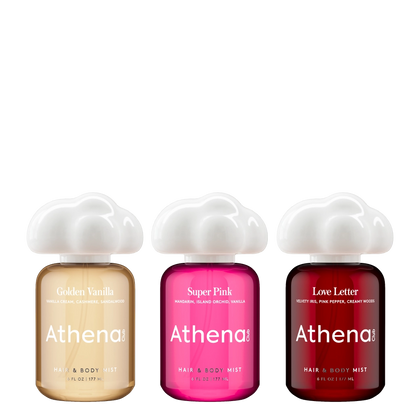
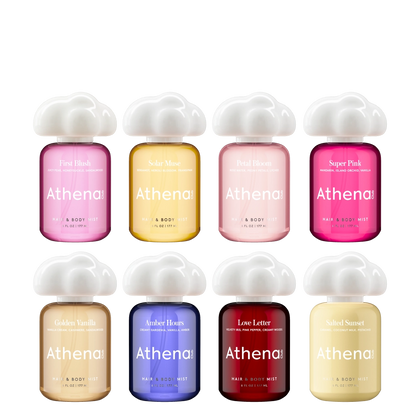
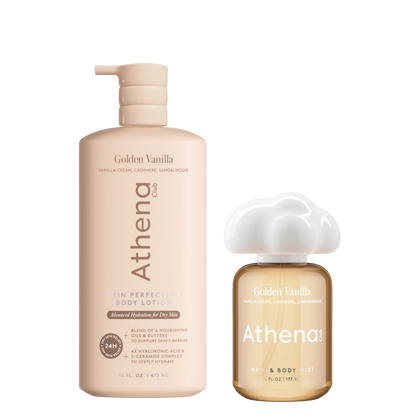
Ready to level up your routine? Check out the Athena Club collection and find your new favorite. Because when your essentials are anything but ordinary, your whole self-care routine becomes something you actually look forward to.
Sources
- Callewaert C, et al. "Microbial odor profile of polyester and cotton clothes after a fitness session." Applied and Environmental Microbiology, 2014; 80(21): 6611-6619.
- Lambers H, et al. "Natural skin surface pH is on average below 5, which is beneficial for its resident flora." International Journal of Cosmetic Science, 2006; 28(5): 359-370.
- Ali SM, Yosipovitch G. "Skin pH: from basic science to basic skin care." Acta Dermato-Venereologica, 2013; 93(3): 261-267.
- Proksch E. "pH in nature, humans and skin." Journal of Dermatology, 2018; 45(9): 1044-1052.
- Havlicek J, Lenochova P. "The effect of meat consumption on body odor attractiveness." Chemical Senses, 2006; 31(8): 747-752.
- Fenner J, Clark RAF. "Anatomy, Skin, Dermis." StatPearls, 2023. Treasure Island (FL): StatPearls Publishing.


