





































You step out of the shower feeling fresh, grab your razor, and give your inner thighs a quick pass. A few days later, you notice something frustrating—those areas look darker than before. If this sounds familiar, you're not alone. Dark inner thighs after shaving is one of those beauty concerns that doesn't get talked about enough, but it's incredibly common. Let's dive into why it happens and, more importantly, how you can prevent it.
Why do my inner thighs get dark after shaving?
Here's the thing: that darkening isn't usually caused by shaving itself, but rather by how your skin reacts to friction, irritation, and inflammation from the shaving process. When you shave, especially without proper prep or with a dull blade, you can create tiny micro-traumas on your skin's surface. Your skin responds by producing more melanin—the pigment that gives skin its color—as a protective mechanism.1 This process, called post-inflammatory hyperpigmentation, is your body's way of trying to heal and protect the area.
The inner thighs are particularly vulnerable because the skin there is already prone to friction from walking and clothing. Add shaving to the mix, and you've got the perfect storm for irritation and darkening. It's not that you're doing anything wrong—it's just that this area needs a little extra care.
Is the darkness from shaving permanent?
The short answer is no, it's usually not permanent. Most post-shaving darkening is temporary hyperpigmentation that fades over time with proper care. However, if the area experiences repeated irritation—like aggressive shaving week after week without addressing the root cause—the darkening can become more stubborn and take longer to fade.2
The key is breaking the cycle of irritation. Once you give your skin the tools it needs to heal and prevent future irritation, you'll typically see the darkness gradually lighten over several weeks to months. Patience is your friend here, along with a solid prevention routine.
Does using a dull razor make darkening worse?
Absolutely. A dull razor is one of the biggest culprits behind post-shave darkening. When your blade isn't sharp, you end up going over the same area multiple times, applying more pressure, and essentially dragging the blade across your skin instead of gliding smoothly. This creates significantly more irritation and inflammation, which triggers that melanin response we talked about.
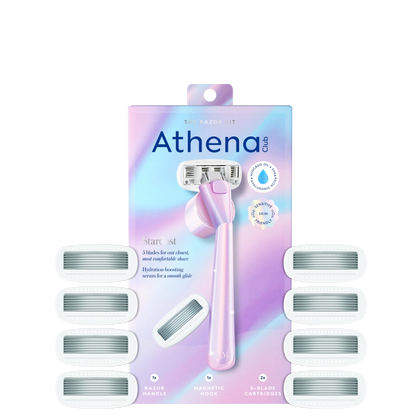
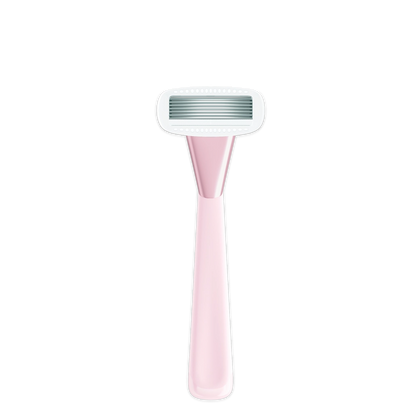
Switching to a quality razor with sharp blades makes a huge difference. The Razor Kit features a 5-blade design with spaced-out blades that follow your curves, plus blades enhanced with shea butter and a hyaluronic acid serum strip. That design means you can get a close shave without needing multiple passes—less friction, less irritation, less darkening. It's been recognized by Allure as the Best Razor for Sensitive Skin in 2025 for good reason.
How does friction contribute to dark inner thighs?
Friction is honestly the sneaky villain in this story. Your inner thighs naturally rub together when you walk, especially during warmer months or when you're wearing certain fabrics. This constant friction causes what's called friction-induced hyperpigmentation—basically, your skin darkens as a response to chronic rubbing.3
When you add shaving to already friction-prone skin, you're removing a protective layer and making the area even more vulnerable. Freshly shaved skin is more sensitive to that rubbing, which can intensify irritation and lead to more pronounced darkening. Keeping the area moisturized and reducing unnecessary friction—like wearing breathable, moisture-wicking fabrics—helps minimize this effect.
What should I do before shaving to prevent darkening?
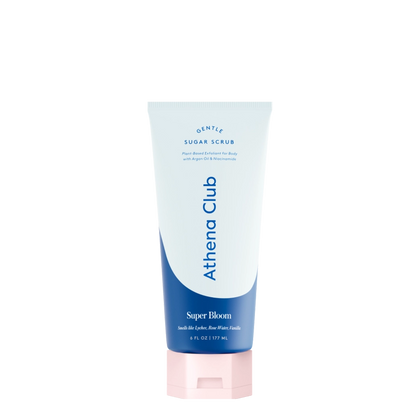
Prep is everything. Start by exfoliating the area gently a day or two before you plan to shave. The Gentle Sugar Scrub is perfect for this—it buffs away dead skin cells that can clog your razor and cause uneven shaving, which leads to irritation. Just don't exfoliate right before shaving, as that can make skin too sensitive.
When it's time to shave, always do it in or right after a warm shower. The warmth softens the hair and opens up the follicles, making for a smoother, easier shave with less tugging. Then—and this is crucial—never shave dry. Use a proper shaving lubricant to create a protective barrier between the blade and your skin. The Glossy Shave Oil is a game-changer here. It's an oil-serum hybrid with SKINCLOUD™ technology that gives you that smooth, just-glided-on feeling while protecting your skin from irritation.
Should I use shaving cream or something else on my inner thighs?
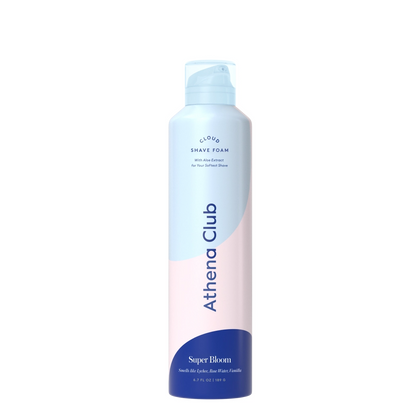
You definitely want something between your razor and your skin—shaving dry is a one-way ticket to irritation city. The question is what works best for you. Traditional foams and gels can work, but they often don't provide enough cushion for sensitive areas like the inner thighs.
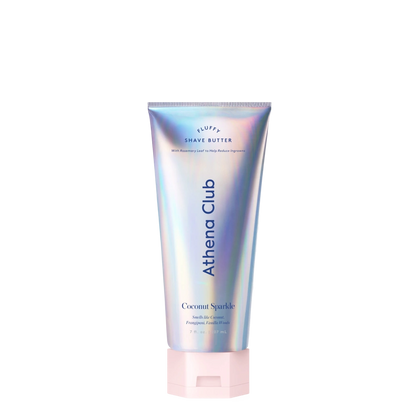
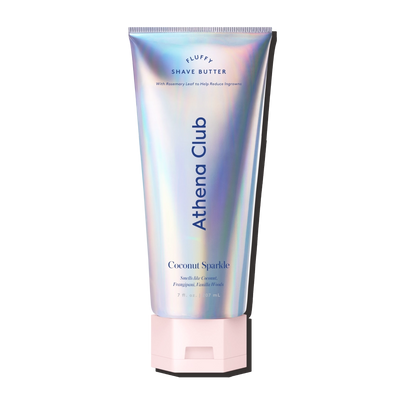
For this area, you might want something with more slip and protection. The Fluffy Shave Butter has won Allure's Best of Beauty Award two years running (2024 and 2025) because of its thick, creamy formula with rosemary leaf extract. It creates a rich barrier that lets your razor glide effortlessly while keeping skin protected and moisturized. The difference in how your skin feels afterward is noticeable—smooth without that tight, irritated sensation.
How often should I shave my inner thighs to avoid darkening?
Honestly, less is often more when it comes to preventing darkening. Shaving too frequently doesn't give your skin time to recover between sessions, which means chronic irritation and more melanin production. If you can stretch it to every three to four days instead of daily, your skin will thank you.
That said, everyone's hair growth and preferences are different. If you do prefer to shave more often, make sure you're using a sharp razor, proper lubrication, and following up with good aftercare. The goal is to minimize cumulative irritation—if you shave frequently but gently with the right tools, you'll fare better than someone who shaves less often but roughly.
What should I do after shaving to prevent dark spots?
Aftercare is just as important as prep. Right after shaving, rinse the area with cool water to close the pores and calm any immediate inflammation. Pat—don't rub—the area dry with a clean towel. Then apply a gentle, hydrating product to soothe the skin and lock in moisture.
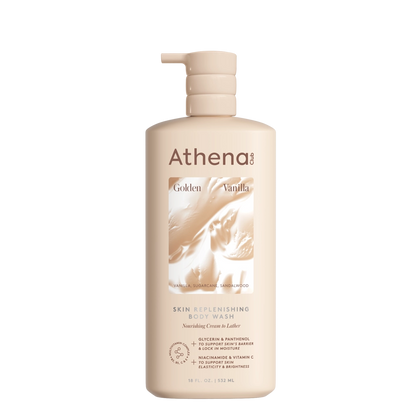
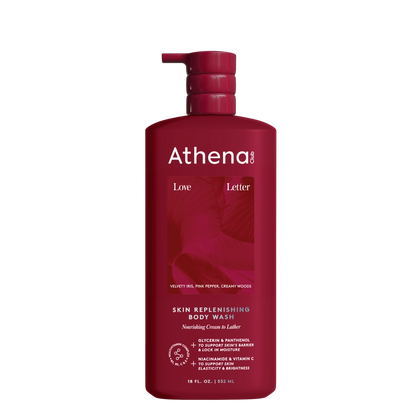
The Skin Replenishing Body Wash, which won Elle Magazine Canada's Beauty Grand Prix in 2025, has a pH-balanced formula with a vitamin complex that cleanses and nourishes without stripping your skin. Using this as your regular cleanser helps maintain your skin's barrier health between shaves. And here's a pro tip: avoid tight clothing immediately after shaving. Give your skin a chance to breathe and recover without added friction.
Can my clothing choices affect inner thigh darkening?
They absolutely can. Tight, synthetic fabrics trap moisture and heat, which creates the perfect environment for friction and irritation—especially on freshly shaved skin. When that area stays damp and rubs constantly, you're looking at increased inflammation and potential darkening.
Opt for breathable, moisture-wicking fabrics, especially during workouts or warm weather. Cotton and other natural fibers are your friends. If you're prone to thigh rubbing, consider wearing bike shorts under dresses or skirts to create a smooth barrier that reduces skin-on-skin friction. It's a simple change that makes a real difference.
Are there ingredients I should look for to help lighten dark inner thighs?
Once you've addressed the irritation and prevention side, you might want to help fade existing darkening. Look for gentle brightening ingredients like niacinamide, vitamin C, or kojic acid—these work by inhibiting melanin production without being harsh.4 Hyaluronic acid is also helpful because it keeps skin hydrated and plump, which supports the healing process.
The key word here is gentle. Your inner thighs are sensitive, so avoid anything too aggressive like high-concentration acids or harsh bleaching agents, which can actually cause more irritation and worsen the problem. Consistency with gentle products beats occasional use of strong ones every time.
Could the darkness be something other than shaving irritation?
It definitely could be. While post-shaving irritation is super common, darkening in the inner thigh area can also result from other factors like hormonal changes, a condition called acanthosis nigricans, or simply natural variation in skin tone. Some people naturally have darker skin in areas with more friction, regardless of their hair removal habits.
If you've tried improving your shaving routine and the darkening persists or worsens, or if you notice other symptoms like texture changes or itching, it's worth checking in with a dermatologist. They can help determine if there's an underlying cause that needs different treatment.
What's the single most important thing I can do to prevent darkening?
If you take away just one thing, make it this: use a sharp, quality razor with proper lubrication. That combination addresses the two biggest causes of irritation—tugging from dull blades and friction from dry shaving. Everything else—the exfoliation, the aftercare, the clothing choices—are important supporting players, but these two factors are your MVPs.
Investing in a razor that's designed for sensitive areas and won't cause you to go over the same spot multiple times makes all the difference. Pair that with something that creates a protective barrier, and you're already miles ahead of where most people start.
Quick Answers
- Dark inner thighs after shaving happen because irritation and inflammation trigger your skin to produce more melanin as a protective response
- The darkening is usually temporary and will fade with proper care and prevention—it's not permanent unless the irritation cycle continues
- Using a sharp, quality razor is the single most important prevention step—dull blades create friction and require multiple passes that increase irritation
- Always shave with proper lubrication like a shave oil or butter to create a protective barrier between the blade and your skin
- Prep matters: exfoliate gently beforehand and shave on warm, softened skin for the smoothest results
- Give your skin recovery time between shaves and wear breathable fabrics to minimize friction
Ready to upgrade your self-care routine? Explore the full Athena Club collection and discover what works for you.
Sources
- Davis EC, Callender VD. Postinflammatory hyperpigmentation: a review of the epidemiology, clinical features, and treatment options in skin of color. J Clin Aesthet Dermatol. 2010;3(7):20-31.
- Grimes PE. Management of hyperpigmentation in darker racial ethnic groups. Semin Cutan Med Surg. 2009;28(2):77-85.
- Sachdeva S. Fitzpatrick's Dermatology, 9th Edition. Indian J Dermatol Venereol Leprol. 2019;85(4):443.
- Hollinger JC, Angra K, Halder RM. Are Natural Ingredients Effective in the Management of Hyperpigmentation? A Systematic Review. J Clin Aesthet Dermatol. 2018;11(2):28-37.


