















You've been using deodorant daily, doing everything "right"—and yet somehow your underarms look darker than before. You're not alone, and no, it's not in your head. Dark underarms can happen for a bunch of reasons, and deodorant is often a sneaky culprit. The good news? You can absolutely reverse it with a few simple tweaks to your routine. Let's talk through what's really going on and how to get your underarms looking and feeling their best again.
Can deodorant actually make my underarms darker?
Yes, it really can. The short answer is that certain ingredients in deodorant—especially aluminum compounds—can cause irritation or buildup that leads to darkening over time.1 When your skin gets repeatedly irritated, it can respond by producing more melanin (the pigment that gives skin its color), which shows up as dark patches. Aluminum-based antiperspirants can also leave a residue that stains the skin temporarily. If you have sensitive skin, you're even more prone to this kind of reaction because your skin barrier is more easily compromised. The friction from application, combined with potential allergic reactions to fragrances or preservatives, can make the issue worse. Basically, your underarms are dealing with a lot, and they're showing it.
What ingredients should I avoid if I have sensitive underarms?
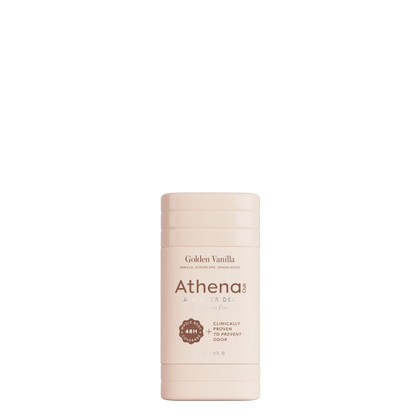
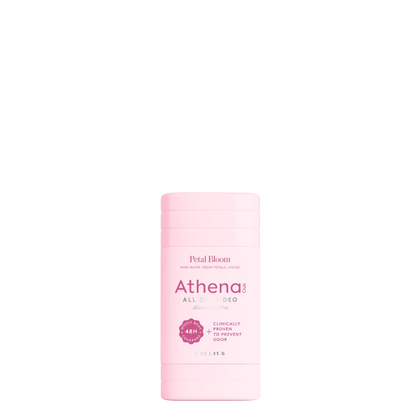
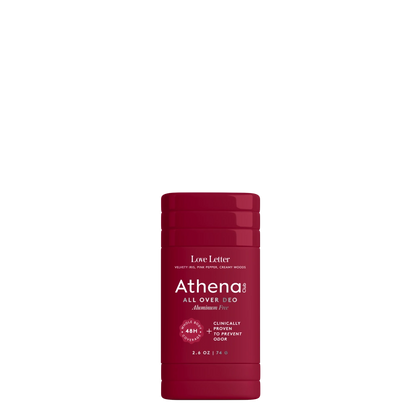
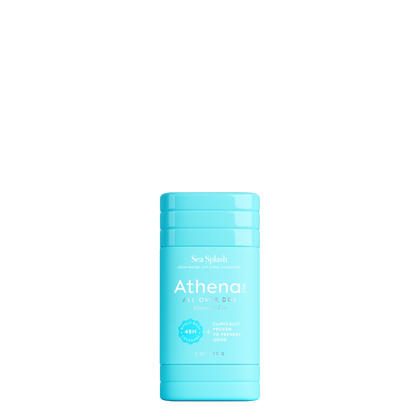
Honestly, the biggest one to watch for is aluminum—it's in most traditional antiperspirants and can be super irritating for sensitive skin. You'll also want to steer clear of synthetic fragrances, parabens, and alcohol, all of which can cause irritation and inflammation that leads to darkening.2 Baking soda is another common ingredient that sounds natural but can be surprisingly harsh, especially if you have delicate skin. Instead, look for aluminum-free formulas with gentle, skin-loving ingredients. Something like All Over Deo is designed for sensitive skin and offers 48-hour protection without the harsh stuff—plus, it's gentle enough to use anywhere on your body, not just your underarms.
How does shaving contribute to underarm darkness?
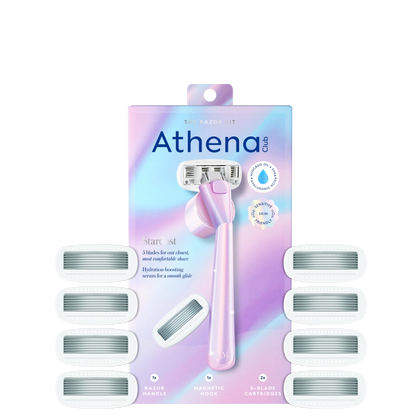
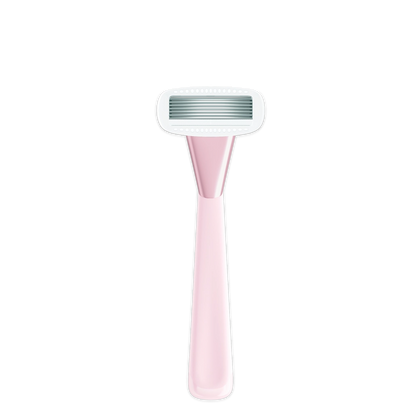
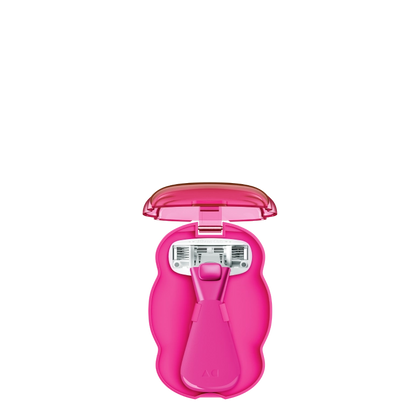
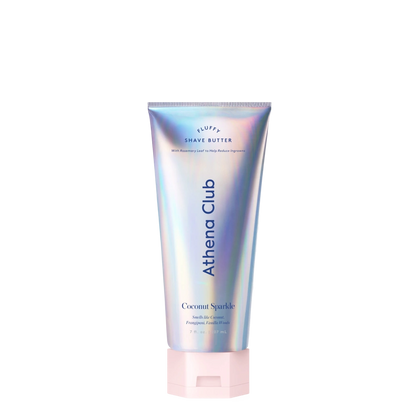
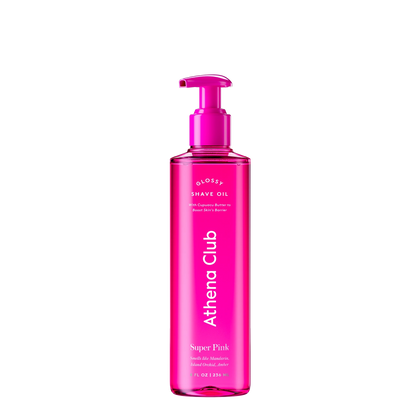
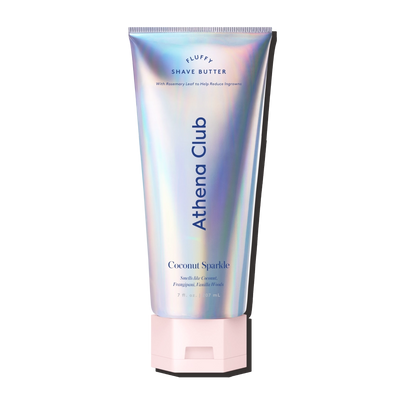
Here's the thing: shaving itself doesn't directly darken your skin, but the way you shave definitely can. Using a dull razor, pressing too hard, or shaving without proper lubrication creates friction and micro-tears that irritate the skin. Over time, that irritation triggers your skin to produce more pigment as a protective response.3 Plus, if you're shaving over already-irritated skin (maybe from a harsh deodorant), you're compounding the problem. The key is to make your shave as smooth and gentle as possible. Using The Razor Kit with its 5-blade design and hyaluronic acid serum strip helps minimize irritation—Good Housekeeping found it delivers 89% single-pass shaving, which means less repetition and less friction. Pair it with Glossy Shave Oil or Fluffy Shave Butter (a two-time Allure Best of Beauty Award winner) to give your razor that smooth glide.
Is the darkness from deodorant permanent, or can I reverse it?
Deep breath: it's usually not permanent. Most deodorant-related darkening is from irritation, buildup, or post-inflammatory hyperpigmentation—all things that can fade with time and the right care. If you switch to a gentler deodorant, exfoliate regularly, and treat your underarms with some TLC, you'll likely see improvement within a few weeks to a couple of months. The key is consistency and addressing the root cause, whether that's irritation from harsh ingredients or buildup from product residue. Your skin has an amazing ability to renew itself when you give it the right environment. That said, if the darkness doesn't improve after several months of gentle care, it's worth checking in with a dermatologist to rule out other causes like a condition called acanthosis nigricans.
What's the best way to exfoliate sensitive underarms without making things worse?
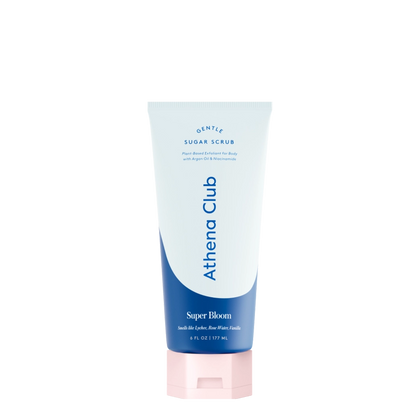
Exfoliation is your friend here, but you've got to be gentle about it. The goal is to slough off dead skin cells and any product buildup without causing more irritation. Skip harsh scrubs with jagged particles or overly abrasive loofahs—those can create micro-tears. Instead, use a gentle physical exfoliant once or twice a week. Gentle Sugar Scrub is perfect for this because it's formulated to exfoliate without being too aggressive. Use it in the shower with light, circular motions, and always follow up with something hydrating. You can also try a chemical exfoliant with lactic acid or glycolic acid a couple times a week, but start slow if your skin is really sensitive. The trick is finding that sweet spot where you're buffing away the bad stuff without stripping your skin.
Should I stop using deodorant altogether to let my underarms heal?
You don't have to go full au naturel unless you want to. The issue isn't deodorant itself—it's the wrong deodorant for your skin. Switching to an aluminum-free, gentle formula will let your underarms recover while still keeping you fresh. If your skin is really irritated or inflamed, you might want to take a short break (maybe a few days to a week) to let things calm down, but you can absolutely keep using deodorant as long as it's the right one. Look for formulas that are specifically designed for sensitive skin and don't contain common irritants. All Over Deo, which won Elle Magazine Canada's Beauty Grand Prix in 2025, is a solid choice because it's aluminum-free and gentle enough for anywhere—including freshly irritated underarms.
How often should I be washing my underarms, and does it matter what I use?
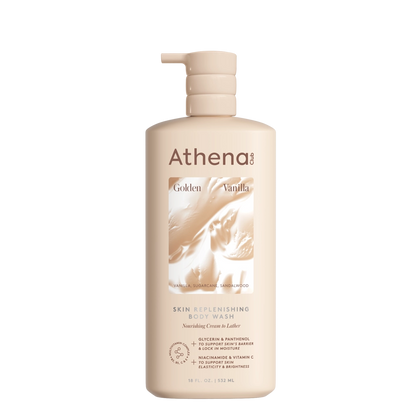
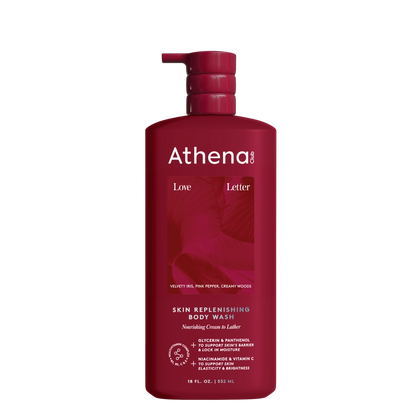
Daily washing is a must, but what you wash with absolutely matters. You want something that cleanses thoroughly without stripping your skin or throwing off its pH balance. Harsh soaps can dry out your underarms and make irritation worse, which can contribute to darkening. A pH-balanced formula is key here. Skin Replenishing Body Wash, which also won Elle Magazine Canada's Beauty Grand Prix in 2025, is designed to cleanse and nourish without disrupting your skin's natural balance. It's got a vitamin complex that supports your skin while getting you clean—and it's not an exfoliant, so it's gentle enough for everyday use. Make sure you're rinsing thoroughly, too, because leftover soap or product residue can contribute to buildup and darkening.
Can tight clothing or friction make underarm darkening worse?
Absolutely. Constant friction from tight clothing, especially synthetic fabrics, can irritate the delicate skin under your arms and trigger that same melanin response we talked about earlier. It's called friction hyperpigmentation, and it's super common in areas where skin rubs against skin or fabric.4 If you're wearing tight tops or working out in clothes that don't breathe well, that friction combined with sweat and deodorant can create the perfect storm for darkening. Try to wear looser, breathable fabrics when you can—especially cotton or moisture-wicking materials. And if you're working out, consider using a dry-spray deodorant like Full Body Deo Dry-Spray, which gives you 24-hour odor control with rice starch and dries instantly, so there's less sticky residue to rub around.
Are there any ingredients that can actually help lighten dark underarms?
Yes, some ingredients can help fade existing darkness while you're addressing the root causes. Look for products with vitamin C, niacinamide, kojic acid, or licorice root extract—all of these have brightening properties that can help even out skin tone over time.5 Alpha hydroxy acids like lactic acid and glycolic acid also work by gently exfoliating the top layer of skin, which can help fade hyperpigmentation. Just remember that these work gradually, so you won't see overnight results. Consistency is everything. And while you're using brightening ingredients, make sure you're also switching to a gentle deodorant and addressing any irritation sources. There's no point trying to lighten your underarms if you're still irritating them daily with harsh products.
How long does it usually take to see improvement once I change my routine?
Most people start noticing a difference within 4 to 6 weeks, but it can take up to 3 months to see significant lightening, especially if the darkening has been building up for a while. Your skin needs time to turn over and shed those pigmented cells, and that natural renewal process doesn't happen overnight. The timeline also depends on how consistent you are with the changes—switching to a gentle deodorant, exfoliating regularly, keeping the area moisturized, and avoiding further irritation. If you're doing all the right things and still not seeing any improvement after three months, that's when you might want to consult a dermatologist. They can check for underlying issues and potentially prescribe stronger treatments if needed. But honestly, for most people, patience and a gentle routine are all it takes.
What does a complete underarm care routine look like for sensitive skin?
Think of it as a mini skincare routine for your underarms. Start with cleansing daily using a gentle, pH-balanced wash—something like Skin Replenishing Body Wash works beautifully. Once or twice a week, use Gentle Sugar Scrub to exfoliate away buildup and dead skin. When you shave, use a sharp, quality razor like The Razor Kit, which Allure named the Best Razor for Sensitive Skin in 2025, along with a lubricating formula like Fluffy Shave Butter to minimize irritation. After your shower, apply an aluminum-free deodorant like All Over Deo to clean, completely dry skin. If your underarms feel dry, you can even add a thin layer of a gentle moisturizer before your deodorant. The whole routine takes maybe an extra two minutes, but your underarms will thank you.
Quick Answers
- Yes, deodorant can darken underarms—usually from aluminum, fragrances, or other irritating ingredients that trigger your skin to produce more pigment.
- The darkness is almost always reversible with a gentle routine: switch to aluminum-free deodorant, exfoliate regularly, and avoid further irritation.
- Shaving can contribute to darkening if you're using dull blades or skipping lubrication—friction and irritation are the real culprits.
- Wash daily with a pH-balanced cleanser, exfoliate once or twice a week, and always use a gentle deodorant on completely dry skin.
- It typically takes 4 to 12 weeks to see noticeable improvement, so stick with your new routine and be patient with your skin.
Ready to Treat Your Underarms Right?
Your underarms deserve the same care and attention as the rest of your body. With the right products and a little consistency, you can reverse darkness and keep your skin looking and feeling its best. Ready to upgrade your self-care routine? Explore the full Athena Club collection and discover what works for you.
Sources
- American Academy of Dermatology Association. "How to lighten dark underarms." Accessed 2025.
- Cleveland Clinic. "The Best Way to Get Rid of Dark Underarms." Accessed 2025.
- Journal of Clinical and Aesthetic Dermatology. "Post-inflammatory hyperpigmentation: a review of the epidemiology, clinical features, and treatment options in skin of color." 2011.
- Dermatology Practical & Conceptual. "Friction melanosis: a significant cutaneous manifestation in Indian patients." 2019.
- International Journal of Molecular Sciences. "Skin Lightening Agents: Medicinal Chemistry Perspective of Tyrosinase Inhibitors." 2018.


