



























Why Does Hard Water Make My Razor Dull Faster and How to Prevent It
I used to think I was going through razors way too fast. Every few shaves, I'd notice that familiar tug-and-pull feeling—like my blades had suddenly decided to stop cooperating. The shave that used to feel smooth and effortless started feeling rough, almost scratchy. I'd look down at my razor, confused. It couldn't possibly be dull already, right? I'd barely used it.
But there it was: that uncomfortable drag across my skin, the irritation that followed, and the annoying realization that I'd need to swap out my blade cartridge again. It felt wasteful and frustrating, like I was doing something wrong but couldn't figure out what. I started wondering if I'd somehow gotten a bad batch of razors, or if my skin had suddenly become more sensitive. The truth, as it turned out, was hiding in plain sight—in my shower water.
The culprit? Hard water. That invisible force I'd never really thought about was quietly sabotaging my shaving routine, coating my razor blades with mineral buildup and cutting their lifespan dramatically short.
The Hidden Problem Behind Dull Blades
When I finally started researching why my razors weren't lasting, I discovered that hard water—water with high mineral content like calcium and magnesium—leaves deposits on everything it touches.1 My shower doors had that cloudy film. My hair sometimes felt a little strange after washing. And apparently, my razor blades were getting the same treatment.
Every time I rinsed my razor under the tap, those minerals were building up on the blade edges. It wasn't that the blades were actually wearing down faster from use—they were being covered in microscopic deposits that made them feel dull and prevented them from gliding smoothly.2 The buildup was creating a barrier between the sharp edge and my skin, forcing me to apply more pressure and causing that uncomfortable tugging sensation I'd come to dread.
I'd been trying all the wrong solutions. Switching razor brands, shaving more carefully, using less pressure—none of it addressed the real issue. The water itself was the problem, and until I tackled that, I'd keep experiencing the same frustrating cycle.
The Moment Everything Changed
The turning point came when a friend mentioned she'd started storing her razor differently and it had made a surprising difference. She explained how she'd learned about the hard water issue and had started being more intentional about how she cared for her razor between shaves. It seemed almost too simple to work, but I was willing to try anything at that point.
I decided to completely rethink my post-shave routine and invest in products that would work with my razor instead of against it. That's when I discovered a few game-changing strategies.
My New Routine (And How Everything Improved)
The transformation didn't happen overnight, but within the first week, I noticed my razor was performing better than it had in months. Here's what I changed:
First, I started rinsing my razor with filtered or distilled water after every shave. I kept a small bottle of distilled water in my shower specifically for this purpose. After shaving, instead of just rinsing under the tap, I'd thoroughly rinse the blade with the filtered water to remove any mineral-laden tap water. It felt a little extra at first, but the difference was immediate—no more buildup forming on the blades.
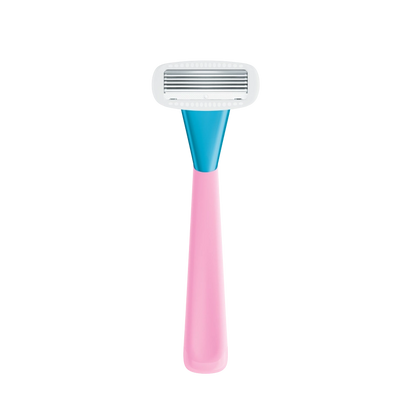
Second, I upgraded to the Razor Kit from Athena Club. The 5-blade design with properly spaced blades made a noticeable difference because water and shaving cream could flow through more easily, preventing buildup from getting trapped. The premium aluminum handle with its non-slip silicone coating also made it easier to grip securely, so I didn't have to apply extra pressure when shaving. Plus, the magnetic storage hook it came with turned out to be crucial for my new storage method.
Third, I completely changed how I stored my razor. Instead of leaving it on the shower ledge where it would stay damp and exposed to constant hard water spray, I started using the magnetic hook to store it outside the direct water stream. After each shave, I'd rinse it with filtered water, gently shake off excess moisture, and hang it up where it could air-dry completely between uses.
Finally, I switched to Glossy Shave Oil with its SKINCLOUD™ technology. This oil-serum hybrid created a protective barrier between my skin and the razor, but it also seemed to help my blades stay cleaner. The formula rinsed away more completely than thicker products I'd used before, leaving less residue that could mix with hard water minerals and cake onto the blades.
About two weeks into this new routine, I realized something remarkable: I was still using the same blade cartridge. The smooth glide I remembered from those first few shaves hadn't disappeared. There was no tugging, no irritation, no uncomfortable scratching sensation. My razor was performing exactly as it should.
Life After the Transformation
These days, my shaving routine feels completely different. That anxious feeling I used to get—wondering if today would be the day my razor started pulling—is gone. I'm getting significantly more shaves out of each blade cartridge, which means less waste and less frustration. The experience of shaving itself has returned to being the smooth, quick ritual it should be, rather than a source of irritation.
My skin is happier too. Without the need to apply extra pressure or go over the same area multiple times because the blade wasn't cutting cleanly, I've noticed less redness and fewer ingrown hairs. The hyaluronic acid serum strip and shea butter-enhanced blades on my razor work the way they're supposed to now that mineral buildup isn't getting in the way.
The most surprising part? How such simple changes made such a dramatic difference. I didn't need to install an expensive whole-house water softener or completely overhaul my bathroom. I just needed to understand what was happening and take a few intentional steps to protect my razor from hard water's effects.
There's something deeply satisfying about solving a problem that had been bothering me for so long. Every time I shave now, there's this small moment of gratitude—for blades that glide smoothly, for skin that feels soft instead of irritated, and for finally understanding what was going wrong all along.
Your Path Forward
If you've been dealing with razors that seem to dull impossibly fast, I encourage you to look at your water situation. Check for those telltale signs of hard water: cloudy shower doors, soap that doesn't lather well, that slight film on everything. Then try the simple changes that worked for me—filtered water rinses, proper storage, and quality products designed to work efficiently even in challenging conditions.
You don't have to keep accepting frustrating shaves or going through blades at an alarming rate. Small, intentional changes to your routine can make all the difference. Trust me, your skin—and your razor—will thank you.
Ready to start your own transformation? Explore the Athena Club collection and discover your new routine.
Sources
- United States Geological Survey. "Hardness of Water." USGS Water Science School, 2019.
- American Academy of Dermatology Association. "How to Get a Close Shave." Dermatology A-Z, 2023.


