




















You've just shaved your bikini line, and it feels smooth and amazing. Fast forward a day or two, and suddenly you're dealing with red bumps, irritation, and that annoying rough texture. Sound familiar? The truth is, bumpy bikini lines are super common—but they're also totally preventable once you understand what's actually causing them and when to bring exfoliation into your routine.
What causes those annoying bumps along my bikini line?
The short answer is: ingrown hairs and irritated follicles. When you shave, you're cutting hair at the surface, and sometimes those freshly cut hairs curl back and grow into the skin instead of up and out. This creates inflammation, redness, and those trademark bumps. Dead skin cells piling up on the surface don't help either—they can trap hairs beneath the skin and make the whole situation worse. Add in friction from tight clothing, sweat, or just general movement, and you've got the perfect storm for bikini line bumpiness.
How does exfoliation actually help prevent bumps?
Here's the thing: exfoliation clears away that layer of dead skin cells that can trap hairs and cause them to grow sideways. When you exfoliate regularly, you're essentially giving new hairs a clear path to grow out properly instead of curling back into the skin. It also smooths the skin's surface, which helps your razor glide more easily and cut hairs more cleanly. The result? Less irritation, fewer ingrown hairs, and smoother skin overall. Think of it as prepping your canvas before painting—you want a smooth, clean surface to work with.
Should I exfoliate before or after shaving my bikini line?
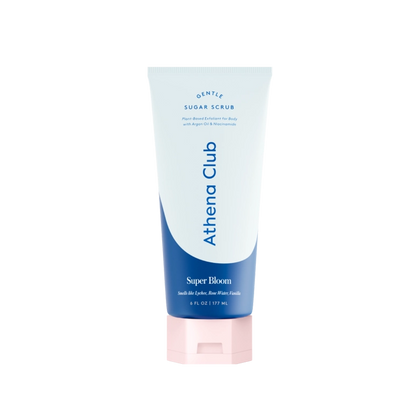
Honestly, this is where timing makes all the difference. You want to exfoliate before you shave, not after. Exfoliating first removes dead skin and lifts any hairs that might be starting to grow sideways, giving you the smoothest possible shave. Your Gentle Sugar Scrub works perfectly for this—use it a few minutes before you grab your razor. If you exfoliate after shaving, you're essentially rubbing abrasive particles over freshly shaved, sensitive skin, which can lead to more irritation and redness. Nobody wants that.
How often should I exfoliate my bikini area?
Two to three times a week is the sweet spot for most people. You want to exfoliate enough to keep dead skin from building up, but not so much that you're irritating the skin. The bikini area is already pretty sensitive, so overdoing it can actually make bumps worse by causing inflammation. If you shave more frequently, you can exfoliate before each shave session—just make sure you're not going overboard with harsh scrubbing. Gentle, consistent exfoliation beats aggressive, sporadic sessions every time.
Can I exfoliate right after shaving if I forgot to do it before?
Skip it. Your skin is in a vulnerable state right after shaving, and adding physical exfoliation on top of that is a recipe for irritation. If you forgot to exfoliate beforehand, just make a mental note for next time and move on to moisturizing instead. You can pick up your regular exfoliation schedule the next day or wait 24 hours after shaving to give your skin time to recover. Think of post-shave skin like it just went through a workout—it needs rest and hydration, not more friction.
What's the best way to exfoliate the bikini line without causing irritation?
Gentle is the name of the game here. Start by wetting the area with warm water to soften the skin and open up the pores. Apply your exfoliant—like the Gentle Sugar Scrub—and use light, circular motions. You're not trying to scrub aggressively; you just want to buff away dead skin cells. Focus on the areas where you typically see bumps, but don't press hard or go over the same spot repeatedly. Rinse thoroughly with lukewarm water, pat dry, and follow up with something hydrating before you shave.
Does the type of razor I use make a difference in preventing bumps?
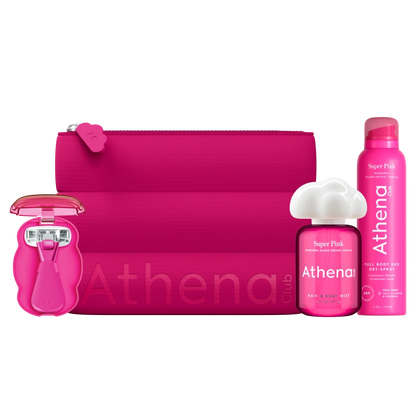
Absolutely. A dull or poorly designed razor can tug at hairs instead of cutting them cleanly, which increases your risk of ingrown hairs and irritation. The Razor Kit features a 5-blade design with spaced-out blades that follow your curves, plus a hyaluronic acid serum strip and shea butter–enhanced blades for added glide and hydration. Good Housekeeping found it delivers 89% single-pass shaving, which means less need to go over the same area multiple times—and that translates to less irritation overall. A quality razor paired with proper exfoliation timing is your best defense against bumps.
What should I do immediately after shaving to prevent bumps from forming?
Right after you rinse off, pat your skin dry gently—no rubbing. Then apply something soothing and hydrating to calm the skin and create a protective barrier. Avoid anything with heavy fragrance or alcohol, as those can sting and irritate freshly shaved skin. Loose, breathable clothing is your friend for the next few hours too, since tight fabrics can create friction that leads to irritation. The goal is to keep the area calm, cool, and comfortable while your skin recovers from shaving.
Can shaving products help reduce bumps, or is it all about exfoliation?
It's definitely both. Exfoliation sets the stage, but what you use while shaving matters too. A good shave oil or butter creates a protective layer between your skin and the razor, helping the blades glide smoothly without tugging or catching. The Glossy Shave Oil features SKINCLOUD™ technology for a revolutionary oil-serum hybrid experience, while the Fluffy Shave Butter—a two-time Allure Best of Beauty Award winner (2024 and 2025)—offers a thick, creamy formula with rosemary leaf extract. Both help your razor move effortlessly, which means cleaner cuts and less irritation. Pair either one with proper exfoliation timing, and you're setting yourself up for success.
Are there any ingredients I should avoid on my bikini line?
Harsh fragrances, alcohol, and heavily synthetic ingredients can all irritate sensitive skin, especially right after shaving. You also want to be careful with chemical exfoliants like salicylic acid or glycolic acid immediately after shaving—while they can be helpful for preventing ingrown hairs, they're best used on non-shave days to avoid over-exfoliating. Stick with gentle, nourishing formulas that support your skin barrier rather than stripping it down. Your bikini line will thank you.
How long does it take to see results from better exfoliation timing?
Most people notice a difference within a week or two of adjusting their routine. You might see fewer new bumps after your next couple of shaves, and existing bumps should start to fade as your skin renews itself. Consistency is key here—sporadic exfoliation won't give you the same results as a regular routine. Stick with exfoliating before you shave, using a quality razor, and following up with proper aftercare, and you should see smoother, bump-free skin pretty quickly. Patience pays off.
What if I'm doing everything right but still getting bumps?
Sometimes bumps persist even when you're following all the best practices, and that could be a sign that your skin needs a different approach. You might be exfoliating too often or too aggressively, or your razor might need replacing more frequently than you think. It's also possible that your skin is just naturally more prone to ingrown hairs, in which case you might want to experiment with longer intervals between shaves or consider alternative hair removal methods. If bumps are accompanied by pain, excessive redness, or signs of infection, it's worth checking in with a dermatologist to rule out anything more serious.
Quick Answers
- Bikini line bumps are usually caused by ingrown hairs and irritated follicles from dead skin buildup and improper shaving technique.
- Always exfoliate before shaving, not after—this clears the path for hairs to grow out properly and gives you a smoother shave.
- Exfoliate two to three times a week, or before each shave session if you shave frequently, using gentle circular motions.
- A quality razor with multiple blades and hydrating strips makes a huge difference in preventing irritation and bumps.
- Pair proper exfoliation timing with good shaving products and gentle aftercare for the smoothest, bump-free results.
Ready to upgrade your self-care routine? Explore the full Athena Club collection and discover what works for you.
Sources
- American Academy of Dermatology Association. "How to Prevent Razor Bumps." AAD.org, https://www.aad.org/public/everyday-care/skin-care-basics/hair/prevent-razor-bumps
- Mayo Clinic. "Ingrown Hair: Diagnosis & Treatment." MayoClinic.org, https://www.mayoclinic.org/diseases-conditions/ingrown-hair/diagnosis-treatment/drc-20373899
- Cleveland Clinic. "Razor Burn: Causes, Treatment & Prevention." ClevelandClinic.org, https://my.clevelandclinic.org/health/diseases/23690-razor-burn


