









You've been there: you take off your shirt at the end of the day and notice those telltale dark patches under your arms. Not sweat stains—something darker, more stubborn, and honestly kind of confusing. The good news? You're not alone, and this is totally fixable. Let's dig into why this happens and what you can actually do about it.
Why does my deodorant cause dark stains on my underarms?
Here's the thing: it's usually not the deodorant itself that's creating those dark marks. Most of the time, what looks like staining is actually a buildup of deodorant residue mixed with dead skin cells, oils, and sometimes even fabric fibers from your clothes.1 Over time, this buildup oxidizes and creates that grayish or darkened appearance that clings to your skin. Some ingredients in traditional deodorants—particularly aluminum compounds—can also react with your sweat and create yellowish stains on clothing that transfer back to your skin.
What ingredients in deodorant are most likely to cause underarm darkening?
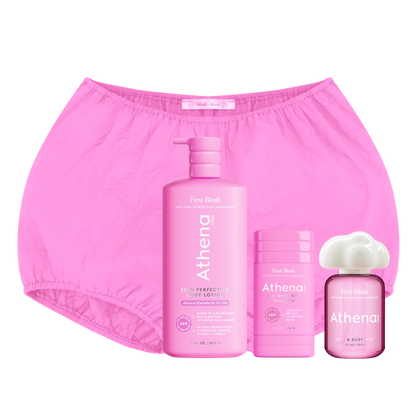
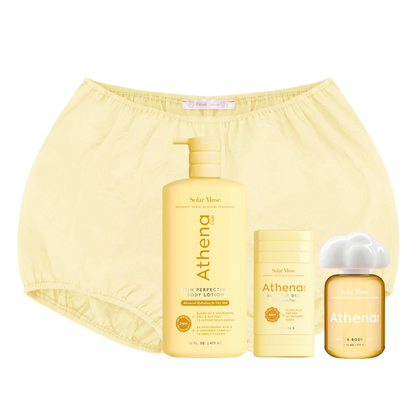
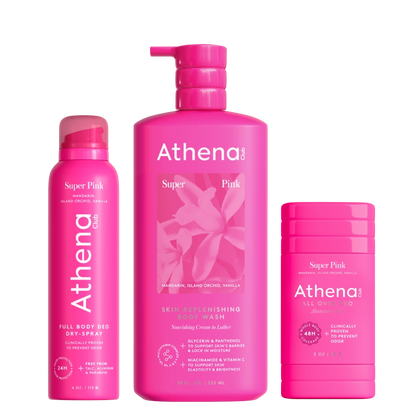
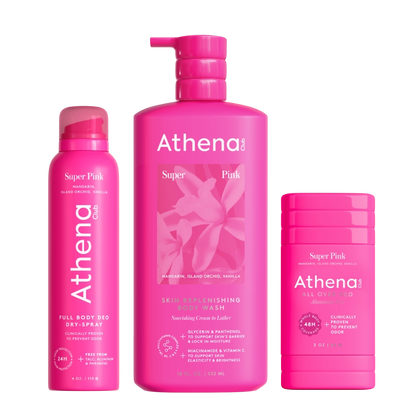
Aluminum-based compounds are the usual suspects here. They work by blocking your sweat glands, but they can also leave behind a chalky residue that accumulates over time.2 When this residue mixes with sweat and bacteria, it can create discoloration. Some fragrances and alcohol-based formulas can also irritate sensitive underarm skin, leading to inflammation that might cause temporary darkening. If you're dealing with persistent dark marks, switching to an aluminum-free option like All Over Deo can make a real difference—it offers 48-hour protection without the buildup.
Is the darkening caused by my deodorant or my skin reacting to something?
Honestly, it could be both. Sometimes what looks like staining is actually post-inflammatory hyperpigmentation—your skin's response to irritation from shaving, harsh ingredients, or friction.3 Think about it: your underarms deal with a lot. They're shaved regularly, covered in product, rubbing against clothes all day, and rarely see sunlight. That's a recipe for sensitivity. If your skin feels itchy, bumpy, or irritated along with the darkening, that's a sign your skin might be reacting to an ingredient. But if there's no irritation and the darkness wipes away partially with a washcloth, you're probably dealing with product buildup rather than a skin reaction.
How can I tell if it's staining or hyperpigmentation?
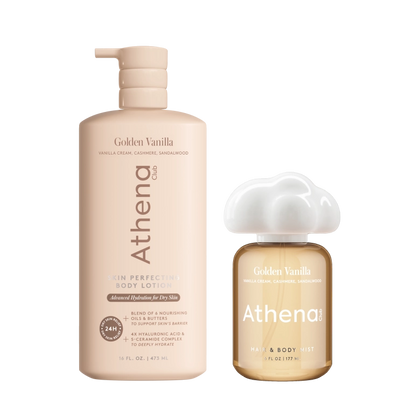
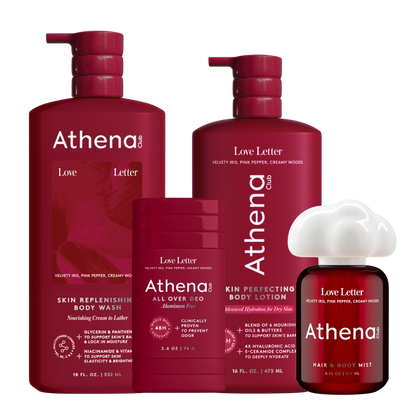
The short answer is: try gently exfoliating. If the darkness lightens significantly after using a gentle scrub or exfoliating with a washcloth, you're looking at buildup and surface staining. If it doesn't budge much at all, it's more likely hyperpigmentation from irritation or friction. Hyperpigmentation tends to look more uniform and blends into your natural skin tone, while product buildup often has a grayish cast and might feel slightly textured. Our Skin Replenishing Body Wash is pH-balanced and gentle enough for daily use, which helps keep your underarm skin clean without stripping it.
What's the best way to remove deodorant buildup from my underarms?
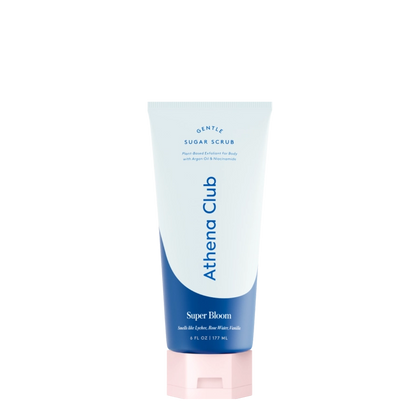
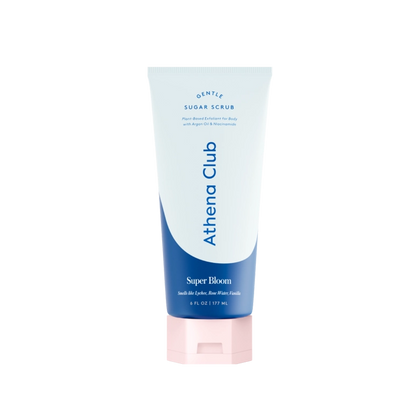
Start with regular exfoliation—but keep it gentle. A sugar scrub, such as Gentle Sugar Scrub or a soft washcloth with warm water works beautifully to lift away that stubborn residue. Do this two to three times a week, not daily, because your underarm skin is delicate. Some people swear by a baking soda paste or apple cider vinegar rinse to help break down buildup, though these can be drying for sensitive skin. The real key is consistency with your cleansing routine. Make sure you're thoroughly washing your underarms every day and completely drying them before applying deodorant. That smooth, just-cleansed feeling is what you're going for.
Can shaving cause or worsen dark underarm stains?
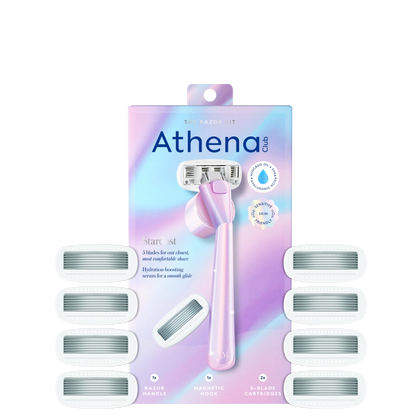
It can definitely contribute. Shaving with a dull blade or pressing too hard creates micro-irritation and inflammation, which can lead to darkening over time.3 Plus, if you're applying deodorant immediately after shaving onto irritated skin, you're more likely to experience a reaction. That's why using a sharp, quality razor like the Razor Kit makes such a difference—its 5-blade design with hyaluronic acid serum strip and shea butter–enhanced blades helps you get a close shave with less irritation. Always prep your skin properly with something like Glossy Shave Oil or Fluffy Shave Butter (which won Allure's Best of Beauty Award in both 2024 and 2025) to create that protective barrier.
Should I stop wearing deodorant to fix this problem?
Definitely not—you don't have to choose between odor protection and clear underarms. The solution isn't to skip deodorant altogether; it's to find the right formula and improve your application routine. Consider switching to an aluminum-free deodorant that's less likely to leave residue. Make sure you're applying it to completely clean, dry skin—not layering it over yesterday's application. And here's a tip: less is more. You don't need to coat your entire underarm in thick layers. A light, even application is way more effective and less likely to build up.
How long does it take for dark underarm stains to fade?
If it's product buildup, you'll see improvement within a week or two of consistent exfoliation and switching products. If you're dealing with hyperpigmentation from irritation, it takes a bit longer—usually four to eight weeks to notice significant fading, and sometimes a few months for complete resolution.3 Your skin cells turn over naturally about every 28 days, so give any changes you make at least a full cycle to work. Be patient with your skin and consistent with your new routine. You should start seeing that healthy, even tone come back gradually.
What's the best deodorant to prevent underarm darkening?
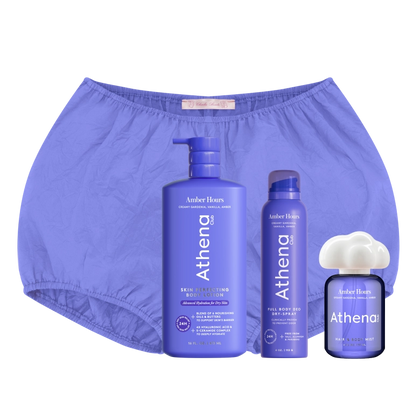
Look for aluminum-free formulas that go on clear and don't leave a chalky residue. The All Over Deo, which won Elle Magazine Canada's Beauty Grand Prix in 2025, delivers 48-hour protection without aluminum and can be used anywhere on your body where you need odor control. If you prefer a spray, the Full Body Deo Dry-Spray offers 24-hour protection with rice starch and goes on completely clear. The key is finding something effective that doesn't leave your underarms feeling sticky or coated—that clean, barely-there feeling means less buildup over time.
Are there lifestyle changes that help prevent underarm staining?
Absolutely. First, let your underarms breathe when you can—sleeping in loose, breathable clothing or going without deodorant overnight gives your skin a break. Wear natural, breathable fabrics like cotton that don't trap moisture and product against your skin all day. Stay hydrated and maintain a balanced diet, since your overall skin health affects how your underarms look too. And honestly, manage your stress—excessive sweating from stress can worsen buildup and irritation. These aren't quick fixes, but they create the foundation for healthier underarm skin in the long run.
When should I see a dermatologist about dark underarms?
If you've made changes to your routine—switched products, exfoliated regularly, improved your shaving technique—and you're still seeing significant darkening after two to three months, it's worth checking in with a dermatologist. Also see someone if the darkening comes with other symptoms like thickening skin, unusual texture changes, or if it's spreading beyond your underarm area. Sometimes persistent hyperpigmentation is linked to underlying conditions like insulin resistance or hormonal changes that need medical attention.3 There's no shame in getting professional help—your dermatologist can offer prescription treatments or procedures that speed up the fading process.
Can I use the same products on my underarms as the rest of my body?
Yes, but with some thoughtfulness. Your underarm skin is more sensitive and prone to irritation than, say, your legs or arms, so what works elsewhere might be too harsh there. That said, gentle products designed for all-over use are perfect. The Skin Replenishing Body Wash is pH-balanced and gentle enough for your entire body, including underarms. Just avoid using anything with strong acids or harsh exfoliants directly on your underarms daily—save the intense stuff for less sensitive areas and keep your underarm routine simple and soothing.
Quick Answers
- Dark underarm "stains" are usually product buildup mixed with dead skin cells, not actual skin staining
- Aluminum-based deodorants are most likely to leave residue that causes darkening
- Regular gentle exfoliation and switching to aluminum-free deodorant can clear things up within a few weeks
- If you're dealing with hyperpigmentation from irritation, it takes longer—typically four to eight weeks to see improvement
- Using a sharp razor and proper shaving prep minimizes irritation that can lead to darkening
- Apply deodorant only to clean, completely dry skin for best results and less buildup
Ready to upgrade your self-care routine? Explore the full Athena Club collection and discover what works for you.
Sources
- American Academy of Dermatology Association. "How to Prevent Body Odor." Available at: https://www.aad.org
- Cleveland Clinic. "Deodorant vs. Antiperspirant: What's the Difference?" Health Essentials, 2023.
- Mayo Clinic. "Acanthosis Nigricans: Symptoms and Causes." Available at: https://www.mayoclinic.org


