













You know that moment when you're getting dressed for the day, feeling great, and then you catch a glimpse of those telltale white streaks on your favorite black shirt? Or worse—that irritating itch under your arms that makes you want to scratch through an important meeting? If you've ever wondered why your deodorant seems to be working against you instead of with you, you're definitely not alone. Let's talk about what's really going on with that white residue and itching, and more importantly, how to fix it so you can get back to feeling confident and comfortable.
What's Actually Causing That White Residue?
Here's the thing: that chalky white residue isn't just annoying—it's actually your deodorant's way of telling you something about its formula. Most traditional deodorants and antiperspirants rely on ingredients like aluminum compounds, talc, and various powders to absorb moisture and block sweat. While these ingredients can be effective at keeping you dry, they don't always play nice with your skin or clothes.1
When these powdery ingredients mix with your body's natural oils and sweat, they can create that signature white film that transfers onto everything you wear. It's especially noticeable on darker fabrics, but it's there on lighter clothes too—you just can't see it as easily. The buildup happens because these ingredients sit on top of your skin rather than absorbing into it, which means they're just waiting to rub off on whatever touches your underarms.
The aluminum compounds in many antiperspirants are particularly notorious for leaving behind yellowish stains over time, especially when they react with the proteins in your sweat. Not exactly the fresh, clean feeling you were going for, right?
Why Is Your Deodorant Making You Itch?
Let's be real—if your underarms are constantly itchy, that's your skin trying to tell you something important. Sensitive skin can react to several common deodorant ingredients, and the itching is often your body's way of saying "hey, I'm not loving what you're putting on me."2
Fragrances are one of the biggest culprits when it comes to irritation. Even if a scent smells amazing in the stick, it can contain dozens of different chemical compounds that sensitive skin might not appreciate. Alcohol is another common irritant—it's often added to help deodorants dry quickly, but it can also strip away your skin's natural moisture barrier, leaving things feeling dry, tight, and itchy.
Then there's the issue of aluminum-based antiperspirants. While aluminum itself isn't always an irritant for everyone, it does work by temporarily blocking your sweat glands. For some people, especially those with sensitive skin, this blocking action can lead to irritation, redness, and that maddening itch.3 If you're shaving regularly (which most of us are), you're also dealing with freshly shaved skin that's more vulnerable to irritation from any product you apply.
The Shaving Connection
Speaking of shaving, there's often a direct connection between your hair removal routine and deodorant irritation. When you shave, you're removing hair but also taking off a microscopic layer of skin cells, which leaves your underarms more sensitive and prone to reaction. If you're experiencing itching and irritation after applying deodorant, timing might be part of the issue—applying deodorant immediately after shaving can intensify sensitivity.
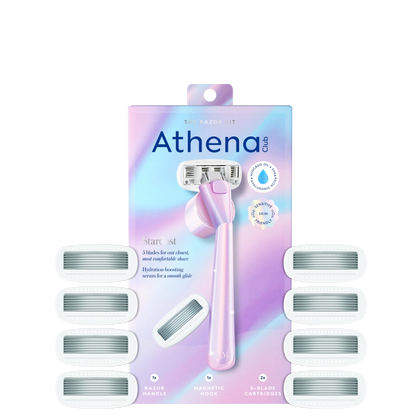
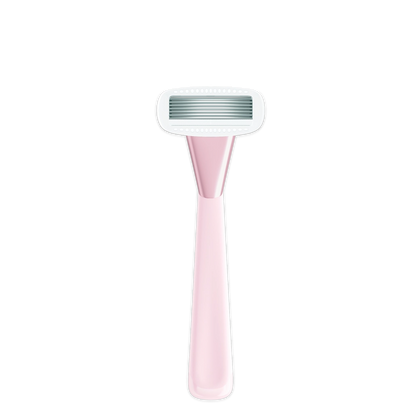
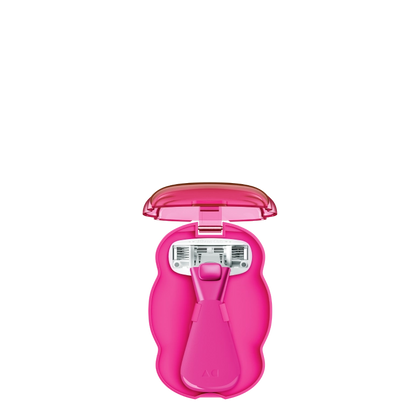
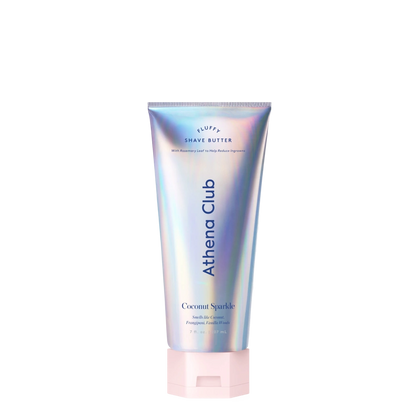
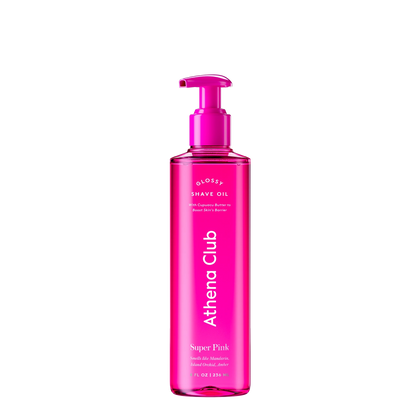
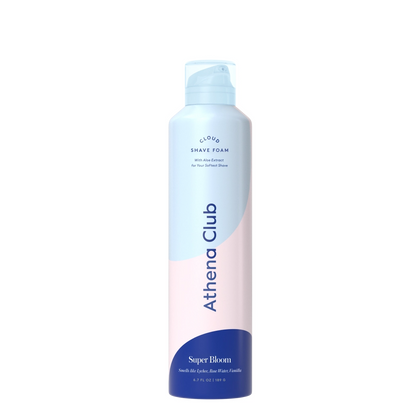
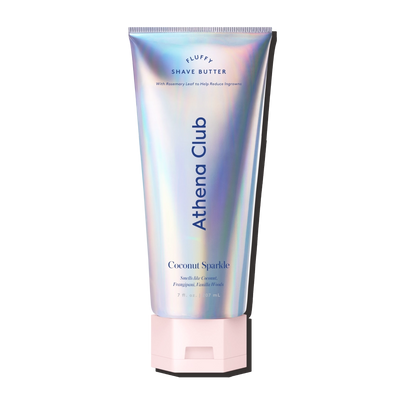
Using a quality razor like the Razor Kit with its 5-blade design and hyaluronic acid serum strip can help minimize irritation from the start. The spaced-out blades follow your curves without tugging, and the shea butter-enhanced blades provide a smoother glide that's gentler on sensitive skin. Pair it with Glossy Shave Oil, which uses SKINCLOUD™ technology to create a protective barrier while you shave, or Fluffy Shave Butter, Allure's Best of Beauty Award winner for 2024 and 2025, for a thick, creamy cushion that helps prevent irritation.
Is Your Skin Actually Sensitive, or Is It the Product?
Here's something interesting: you might not actually have sensitive skin everywhere—sometimes it's just your underarms reacting to ingredients they don't love. The skin in your underarm area is naturally thinner and more delicate than the skin on, say, your legs or arms. It's also an area that doesn't get a lot of airflow, which means moisture and warmth can intensify any reactions to irritating ingredients.
If you've noticed that you can use heavily fragranced lotions on your body without issue but your underarms revolt against your deodorant, that's probably what's happening. The good news? This means you can likely solve the problem by switching to a gentler deodorant formula rather than overhauling your entire skincare routine.
Pay attention to when the itching happens, too. If it's right after application, you're likely dealing with an ingredient sensitivity. If it develops throughout the day, it might be a reaction to the buildup of product mixed with sweat and bacteria. Both scenarios point to the same solution: it's time for a formula change.
How to Break Up With Residue and Irritation for Good
The solution to both white residue and itching often comes down to choosing the right formula for your skin. Aluminum-free deodorants have come a long way from the "natural" options that didn't quite cut it in the effectiveness department. Modern aluminum-free formulas can provide serious odor protection without the ingredients that cause residue and irritation.
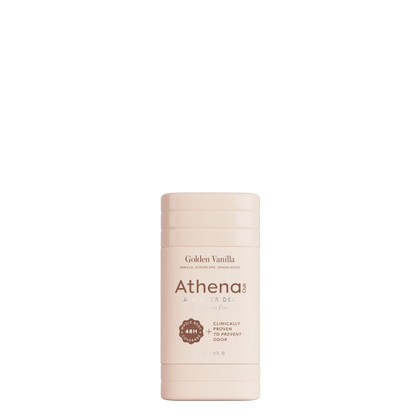
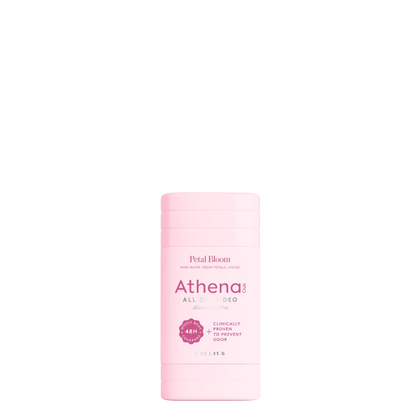
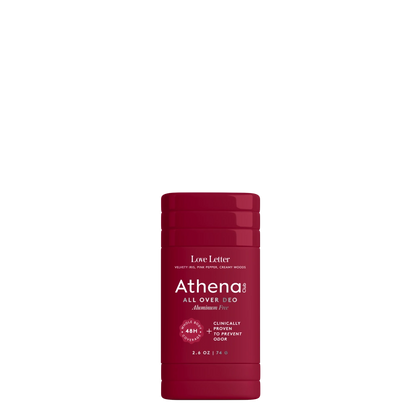
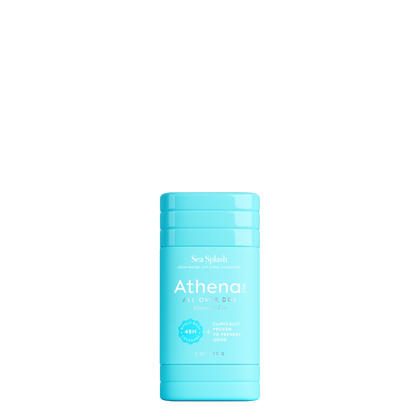
Look for deodorants that focus on odor control rather than sweat blocking. Sweat itself doesn't actually smell—it's the bacteria breaking down sweat that creates odor. A good aluminum-free deodorant targets the odor-causing bacteria while letting your body do its natural thing. All Over Deo, winner of Elle Magazine Canada's Beauty Grand Prix in 2025, provides 48-hour aluminum-free protection and is gentle enough to use anywhere on your body where you might experience odor or irritation from traditional formulas.
If you're dealing with underarm irritation in areas beyond just where you apply deodorant, or if you want coverage for other body areas, Full Body Deo Dry-Spray offers 24-hour odor control with rice starch for a dry, comfortable feel. The spray format means no rubbing or friction on sensitive, recently shaved skin.
Your Post-Shave Game Plan
Timing is everything when it comes to preventing irritation. Here's a simple routine that can make all the difference: shave at night when possible, giving your skin several hours to calm down before you apply deodorant. If you're a morning shaver, wait at least 10-15 minutes after shaving before applying deodorant to give your skin a chance to settle.
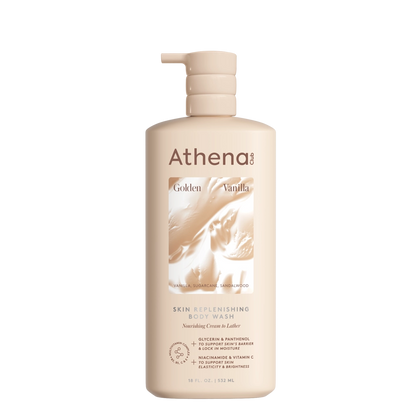
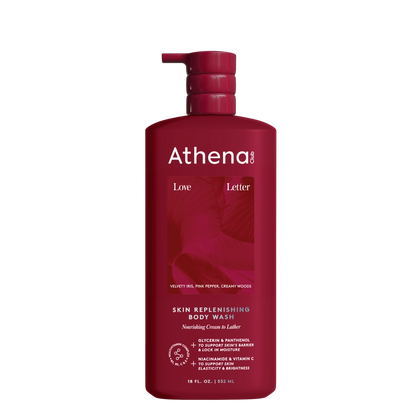
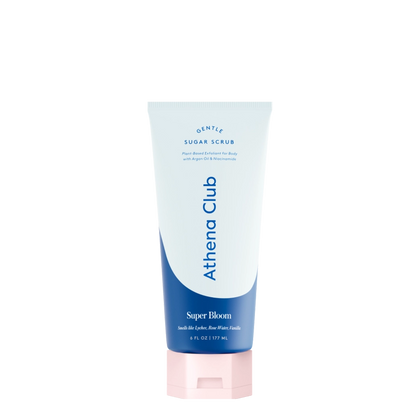
After shaving, cleanse gently with something like Skin Replenishing Body Wash, which is pH-balanced with a vitamin complex that cleanses and nourishes without stripping your skin. It's also a 2025 Elle Magazine Canada Beauty Grand Prix winner, and its gentle formula won't add to irritation. If you're dealing with any bumps or ingrown hairs, Gentle Sugar Scrub can help exfoliate and smooth your skin—just use it before shaving, not after, to avoid irritation on freshly shaved skin.
Quick Fixes for Right Now
While you're transitioning to a better deodorant formula, here are some immediate relief strategies. First, if you're experiencing active itching, resist the urge to scratch (we know, easier said than done). Instead, apply a cool, damp cloth to calm inflammation. You can also let your underarms breathe when you're home—going deodorant-free for a few hours in the evening can give irritated skin a break.
For the white residue issue, make sure you're applying deodorant to completely dry skin. Even a little dampness can cause formulas to go on unevenly and increase transfer. If you're using a stick deodorant, use fewer swipes than you think you need—usually 2-3 passes are plenty. More product doesn't equal better protection; it just means more buildup.
When you're getting dressed, give your deodorant a minute or two to dry before pulling your shirt over your head. That brief pause can significantly reduce transfer. And if you do end up with white marks on your clothes, a damp cloth or even a dry dryer sheet can usually lift them off without leaving moisture marks.
The Bottom Line
- White residue comes from powdery ingredients like aluminum, talc, and other absorbent compounds that sit on top of your skin instead of absorbing into it
- Itching is usually your skin reacting to fragrances, alcohol, aluminum, or applying deodorant immediately after shaving on sensitized skin
- Aluminum-free formulas can eliminate both residue and irritation while still providing effective odor protection
- Timing matters—give your skin time to calm down after shaving before applying deodorant, and let deodorant dry before getting dressed
- Your underarm skin is naturally more sensitive than other areas, so what works elsewhere on your body might not work there
Making the Switch
If you've decided it's time to break up with your irritating, residue-leaving deodorant, give your new formula a fair shot. Your body might need a week or two to adjust, especially if you're switching from an antiperspirant to an aluminum-free deodorant. During this transition period, your sweat glands are recalibrating after being blocked, which is totally normal.
You might notice you sweat a bit more at first—don't panic. Remember, sweating is natural and healthy, and it should regulate within a couple of weeks. What you're really looking for is odor control, not sweat blocking. As long as you're staying fresh-smelling and comfortable, you're golden.
Keep your underarm area clean and exfoliated (gently, and not right after shaving) to help prevent any buildup of dead skin cells and product residue. A consistent routine with gentle, effective products makes all the difference in how your skin responds.
Ready to level up your routine? Check out the Athena Club collection and find your new favorite.
Sources
- American Academy of Dermatology Association. "How to Prevent and Treat Razor Burn." AAD.org.
- National Eczema Association. "Fragrance and Sensitive Skin." NationalEczema.org.
- Cleveland Clinic. "Antiperspirant and Deodorant: What's the Difference?" Cleveland Clinic Health Essentials, 2023.


