














You know that sinking feeling when you swipe on your deodorant in the morning, confident and fresh, only to catch yourself doing the subtle sniff test by lunchtime? It's frustrating—and you're definitely not alone. If your deodorant seems to quit on you halfway through the day, especially if you have sensitive skin, there's actually a lot going on beneath the surface. Let's break down why this happens and, more importantly, what you can do about it.
Why does my deodorant stop working after just a few hours?
The short answer: your body might be adjusting to your deodorant, or the formula just isn't strong enough for your personal chemistry. Here's the thing—deodorants work by neutralizing odor-causing bacteria, and your skin's pH, sweat levels, and even your diet can all affect how well they perform. If you've been using the same deodorant for a while, your skin's bacteria can actually adapt, making your go-to formula less effective over time. It's like your body building up a tolerance. Additionally, if you're dealing with high-stress situations or warmer weather, you're probably sweating more than usual, which can overwhelm even a decent formula. The result? That fresh feeling fades fast, and you're left wondering what went wrong.
Does my skin type actually affect how long deodorant lasts?
Absolutely, and this is especially true if you have sensitive skin. Your skin's natural barrier—the thing that keeps moisture in and irritants out—can be more delicate if you're prone to sensitivity. When your deodorant contains harsh ingredients like aluminum compounds or strong fragrances, it can disrupt that barrier, leading to irritation or even making you sweat more as your body tries to cool down inflamed skin. Plus, sensitive skin often means you're dealing with a more reactive pH balance, which can speed up the breakdown of deodorant actives. The bottom line? What works for someone else might not work for you, and that's completely normal. Finding a formula that respects your skin's needs is key to all-day freshness.
Is aluminum-free deodorant less effective, or is that just a myth?
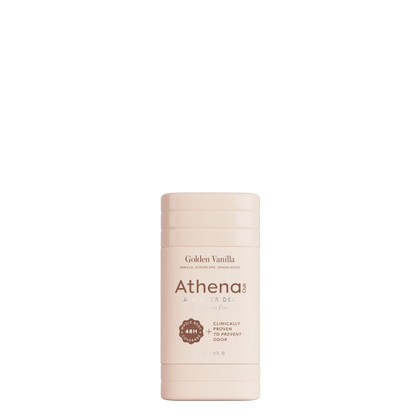
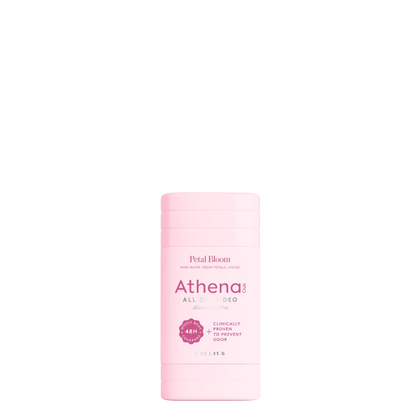
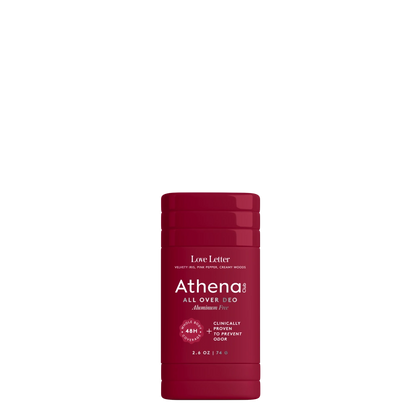
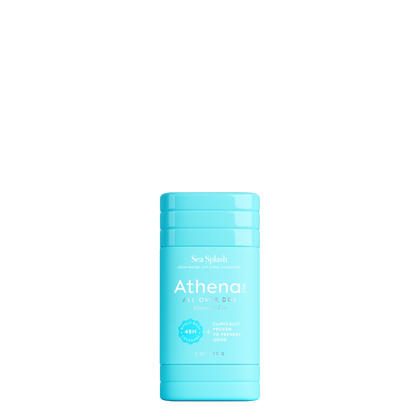
Honestly, it depends on the formula. Aluminum compounds in traditional antiperspirants work by physically blocking your sweat glands—they're super effective at stopping wetness, but they don't actually address odor at the source. Aluminum-free deodorants take a different approach: they neutralize odor-causing bacteria without stopping you from sweating (which is actually a natural, healthy process your body needs). The catch? Not all aluminum-free formulas are created equal. Lower-quality options might fade quickly, but well-formulated ones can absolutely hold their own. Take All Over Deo, which offers 48-hour aluminum-free protection—proof that you don't need harsh ingredients to stay fresh. It's all about finding a formula that works with your body, not against it.
What ingredients should I look for in a deodorant for sensitive skin?
You want to look for gentle, skin-loving ingredients that do the job without causing irritation. Avoid anything with synthetic fragrances, parabens, or baking soda in high concentrations—these are common culprits behind redness and discomfort. Instead, seek out formulas with soothing ingredients and effective odor-neutralizers that won't strip your skin. The goal is something that feels comfortable from the moment you apply it and doesn't leave you dealing with that stinging or itchy sensation later. All Over Deo is designed exactly for this—aluminum-free, gentle enough for sensitive areas, and effective enough to keep you feeling confident all day. When your deodorant works with your skin instead of against it, you'll notice the difference immediately.
Could my shower routine be sabotaging my deodorant's effectiveness?
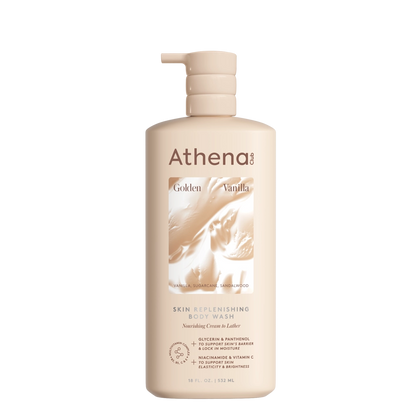
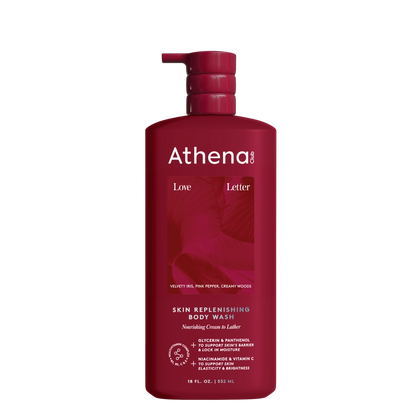
It might be, actually. If you're hopping out of the shower and immediately swiping on deodorant while your skin is still damp, you're diluting the formula before it even has a chance to work. Deodorant needs to bond with dry skin to create that protective barrier against odor. Also, if you're using harsh soaps that strip your skin's natural oils, your pH balance can get thrown off, making it harder for deodorant to do its thing. A pH-balanced body wash like Skin Replenishing Body Wash cleanses without disrupting your skin's natural balance, setting you up for better deodorant performance. The formula includes a vitamin complex that nourishes while it cleanses—so you're starting your routine on the right foot. Give your skin a minute to fully dry after showering, and you'll see your deodorant last way longer.
How often should I be reapplying deodorant throughout the day?
Ideally, you shouldn't have to reapply at all if you're using the right formula. A quality deodorant should give you all-day protection from one morning application. That said, if you're in the middle of switching formulas or dealing with particularly stressful days (hello, back-to-back meetings), a midday refresh isn't the end of the world. Just make sure your skin is clean and dry before reapplying—swiping more product over sweat and bacteria won't help. If you're finding yourself reaching for your deodorant multiple times a day as a regular habit, that's your sign that it's time to switch to something more effective. Full Body Deo Dry-Spray offers 24-hour odor control with rice starch for that just-applied freshness, making it a great option if you need reliable, long-lasting protection.
Does shaving affect how well my deodorant works?
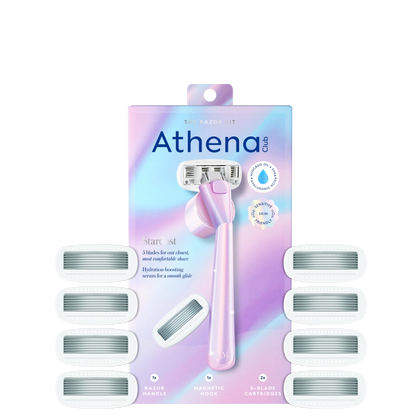
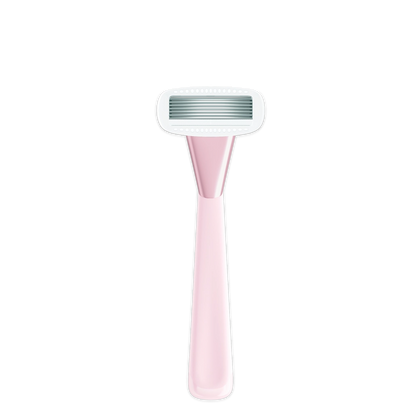
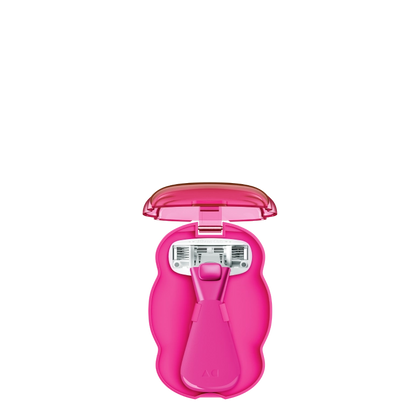
It definitely can, especially timing-wise. Shaving creates tiny micro-abrasions on your skin—you can't see them, but they're there. If you apply deodorant immediately after shaving, those active ingredients can sting like crazy and cause irritation, particularly if you have sensitive skin. The irritation can actually trigger more sweating as your body responds to the discomfort, which obviously defeats the purpose. The best approach? Shave at night and apply deodorant in the morning, giving your skin time to calm down. Or if you're a morning shaver, wait at least 15-20 minutes before applying deodorant. And speaking of shaving, using a gentle, skin-respecting setup makes all the difference. The Razor Kit features a 5-blade design with a hyaluronic acid serum strip and shea butter–enhanced blades that glide smoothly without aggravating sensitive skin—it's even won Allure's Best Razor for Sensitive Skin in 2025.
Can what I eat actually make my deodorant less effective?
Surprisingly, yes. Certain foods can change your body's odor from the inside out, which means your deodorant has to work harder. Garlic, onions, spicy foods, and even red meat can intensify body odor because they release sulfur compounds through your sweat. Alcohol and caffeine can also increase sweating, which might overwhelm your deodorant's capabilities. This doesn't mean you need to overhaul your entire diet—just be mindful that on days when you're indulging in particularly pungent foods, your deodorant might need a little extra backup. Staying hydrated helps too, since it dilutes the concentration of odor-causing compounds in your sweat. If you notice a pattern between certain meals and midday freshness fade, you've found your culprit.
What's the deal with deodorant "detoxing"—is that actually a thing?
The idea behind a deodorant detox is that when you switch from an aluminum-based antiperspirant to a natural deodorant, your body needs time to adjust and "purge" built-up toxins. Here's the reality: your body doesn't actually store toxins in your armpits—that's what your liver and kidneys are for. What is happening during that adjustment period is that your sweat glands are returning to their normal function after being blocked by aluminum, and your skin's bacterial balance is shifting. This can lead to a week or two where you feel like you're sweating more or smell stronger than usual. It's not a detox in the wellness-trend sense, but it is an adjustment period. Stick with it, keep your skin clean, and give your new deodorant at least two to three weeks to really prove itself before deciding it's not working.
How do I know if my deodorant is irritating my sensitive skin?
Your skin will definitely tell you, but the signs aren't always obvious right away. Immediate redness, stinging, or a burning sensation after application is a clear red flag. But sometimes irritation shows up more subtly: darkening of the underarm skin, persistent itchiness, small bumps, or even increased odor as your skin's microbiome gets disrupted. If you notice any of these, it's time to switch formulas. Look for something specifically designed for sensitive skin that skips common irritants. And here's a tip: if you're dealing with irritation, give your skin a break for a day or two before trying a new product. Let things calm down first. A gentle body care routine makes all the difference—using products that support your skin rather than stripping it sets the stage for everything else to work better.
What's the best way to prep my underarms for deodorant application?
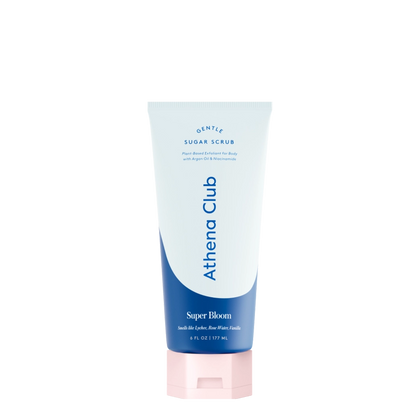
Think of it like prepping your face before makeup—the better the base, the better the results. Start with clean, dry skin. If you shower at night, perfect—apply deodorant in the morning to completely dry underarms. If you're a morning shower person, pat your underarms thoroughly dry and maybe even give them a minute to air dry before swiping on product. Some people find that gently exfoliating once or twice a week helps remove dead skin cells and product buildup, allowing deodorant to work more effectively. Just don't overdo it—your underarm skin is delicate. Gentle Sugar Scrub can help with this when used carefully and not right before deodorant application. The smoother and cleaner your canvas, the better your deodorant will adhere and perform throughout the day.
Should I switch up my deodorant seasonally or stick with one year-round?
This is totally personal, but there's actually some logic to switching things up. Your body's needs change with the seasons—you're probably sweating more in summer and dealing with dry, indoor heat in winter. A formula that works perfectly in February might struggle to keep up during a humid August afternoon. Some people like having a lighter, spray option for warmer months (hello, Full Body Deo Dry-Spray) and a more traditional application for cooler weather. Switching formulas occasionally can also prevent that adaptation issue we talked about earlier, where your skin's bacteria get too comfortable with one formula. That said, if you've found your holy grail and it works flawlessly year-round, there's no reason to mess with success. Listen to your body and adjust as needed.
Quick Answers
- Your deodorant might stop working because your body adapts to it over time, or the formula isn't strong enough for your personal chemistry and sweat levels.
- Sensitive skin needs gentle, aluminum-free formulas without harsh fragrances or high concentrations of irritating ingredients.
- Always apply deodorant to completely dry skin—dampness dilutes the formula and reduces effectiveness.
- Give your skin at least 15-20 minutes to recover after shaving before applying deodorant to avoid irritation.
- When switching to aluminum-free deodorant, expect a 2-3 week adjustment period as your body recalibrates.
- Your shower products matter—pH-balanced cleansers set you up for better deodorant performance all day.
Ready to upgrade your self-care routine? Explore the full Athena Club collection and discover what works for you.
Sources
- American Academy of Dermatology Association. "How to prevent body odor." AAD.org
- National Institutes of Health. "Skin pH and its impact on barrier function." Journal of Clinical Medicine, 2021.
- International Journal of Cosmetic Science. "Efficacy of aluminum-free deodorants: A comprehensive review." 2022.


