































You've finally found the perfect shaving routine—or so you thought. But then you notice it: those darker patches on your inner thighs that seem to show up like clockwork after every shave. It's frustrating, confusing, and honestly, a little disheartening when you're just trying to feel smooth and confident. Let's talk about why this happens and, more importantly, how to stop it from happening again.
Why does my inner thigh skin get darker after shaving?
The short answer is that shaving can trigger your skin to produce more melanin in response to irritation. Here's the thing: when you shave, especially with a dull blade or without proper prep, you're creating tiny amounts of friction and inflammation on the skin's surface. Your skin sees this as trauma—even if it's minor—and responds by darkening as a protective mechanism. This is called post-inflammatory hyperpigmentation, and it's super common in areas where the skin is thinner and more sensitive, like your inner thighs.1 The friction from your thighs rubbing together can make this even worse, creating a cycle of irritation and darkening.
Is the darkening permanent or will it fade?
Good news: it's usually not permanent. Most post-shaving hyperpigmentation will fade over time if you stop irritating the area and give your skin a chance to heal. That said, it can take weeks or even months for the darkening to completely disappear, depending on how deep the pigmentation goes and your skin type.2 The key is breaking the cycle—if you keep shaving the same way without addressing what's causing the irritation, you'll keep seeing those dark patches reappear. Think of it like picking at a scab: your skin needs time and the right conditions to repair itself properly.
What's actually causing the irritation when I shave?
Honestly, it's usually a combination of things. Dry shaving is a huge culprit—dragging a razor across skin without any lubrication creates massive friction. Using a dull blade forces you to go over the same spot multiple times, which compounds the irritation. Not exfoliating before you shave means you're dealing with dead skin cells that can clog your razor and make the blade pull at your hair instead of cutting it cleanly. And then there's the aftercare (or lack thereof)—skipping moisturizer leaves your skin vulnerable and unable to repair itself efficiently. All these factors create the perfect storm for irritation, which then leads to darkening.
How can I prevent my inner thighs from darkening when I shave?
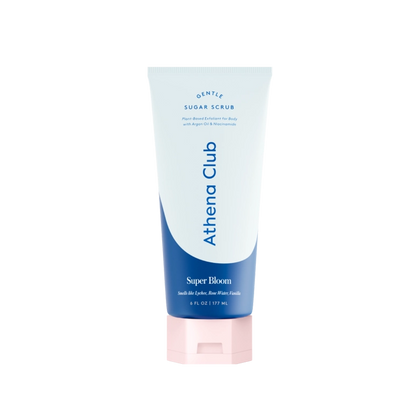
Start with proper prep and the right tools. First, exfoliate gently before you shave to remove dead skin cells—our Gentle Sugar Scrub is great for this. Always use a sharp, quality razor like the Razor Kit, which features five spaced-out blades that follow your curves and hyaluronic acid strips to keep skin hydrated while you shave. Never skip the lubrication—use something like Glossy Shave Oil or Fluffy Shave Butter (an Allure Best of Beauty Award winner for 2024 and 2025) to create a protective barrier. Shave in the direction of hair growth when possible, and moisturize immediately after to lock in hydration and support your skin barrier.
Does the type of razor I use really make a difference?
Absolutely. A razor with dull blades or poor design can turn a simple shave into an irritation fest. You want blades that are sharp enough to cut hair cleanly without requiring multiple passes, and you need a design that glides smoothly over curves without digging into skin. The Razor Kit was actually recognized by Good Housekeeping for achieving 89% single-pass shaving, which means less friction and less trauma to your skin. The spacing between the blades matters too—it prevents clogging and allows the razor to rinse clean, so you're not dragging debris across your skin. Plus, the hyaluronic acid serum strip and shea butter-enhanced blades add an extra layer of skin protection that drugstore razors just don't offer.
Should I switch to a different hair removal method instead?
That's totally up to you and what works for your lifestyle. Waxing, sugaring, and laser hair removal all have their pros and cons. Waxing can also cause hyperpigmentation if your skin is sensitive or if it's not done correctly. Laser can be great for long-term reduction but requires multiple sessions and professional investment. Here's what I'd say: before switching methods entirely, try optimizing your shaving routine first. Many people find that when they upgrade their tools and technique, shaving becomes completely manageable and irritation-free. But if you've tried everything and your skin just doesn't respond well to shaving, exploring alternatives is totally valid.
What should I do if the darkening is already there?
First, be patient with your skin—it's doing its best to heal. Stop any practices that are causing further irritation, which means switching to a gentler shaving routine or taking a break from hair removal in that area if possible. Keep the area moisturized and protected from friction—wearing breathable, moisture-wicking fabrics can help reduce thigh rubbing. Some people find that gentle exfoliation helps speed up cell turnover and fade dark spots more quickly, but don't overdo it or you'll create more irritation. If the darkening persists after several months of improved care, consider consulting a dermatologist who can recommend targeted treatments like chemical exfoliants or brightening serums specifically formulated for hyperpigmentation.3
How often should I be replacing my razor blades?
The general rule is every 5-7 shaves, but honestly, it depends on how much you're shaving and what you're shaving. If you notice the razor starting to tug at your hair instead of gliding smoothly, or if you're having to go over the same area multiple times, it's time for a fresh blade. A dull blade is one of the fastest routes to irritation and darkening because it creates friction and requires more pressure and more passes. Think of it as an investment in your skin—fresh blades mean cleaner cuts, less irritation, and better results overall.
Does friction from my thighs rubbing make the darkening worse?
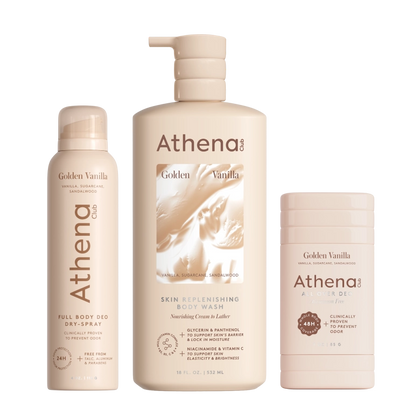
Yes, definitely. The inner thigh area is already prone to friction just from walking and moving throughout your day. When you add shaving irritation into the mix, that constant rubbing can prevent your skin from healing and actually deepen the hyperpigmentation. This is why some people notice the darkening gets worse in summer when they're more active or wearing shorts. To minimize this, try using an anti-chafe product or our All Over Deo, which can be applied anywhere on your body for protection. Keeping the area dry with breathable fabrics also helps reduce friction—moisture creates more drag, which creates more irritation.
What ingredients should I look for in products to help prevent this?
For shaving, you want hydrating and soothing ingredients that create a protective barrier and calm inflammation. Hyaluronic acid is fantastic for keeping skin plump and hydrated, which is why it's included in the Razor Kit's serum strip. Shea butter provides deep moisture and has anti-inflammatory properties. For aftercare, look for products with skin barrier-supporting ingredients and antioxidants. Our Skin Replenishing Body Wash, an Elle Magazine Canada Beauty Grand Prix winner for 2025, features a vitamin complex that nourishes skin. Avoid products with harsh fragrances or alcohol right after shaving, as these can further irritate already-sensitive skin.
Can my shaving technique affect whether my skin darkens?
One hundred percent. Technique matters just as much as the tools you're using. Pressing too hard creates unnecessary friction and trauma. Going against the grain might give you a closer shave, but it also increases the risk of ingrown hairs and irritation, both of which can lead to darkening. Shaving over the same spot repeatedly—especially without reapplying your shaving cream or oil—is basically asking for trouble. The best approach is to use light pressure, let your razor do the work, and make smooth, steady strokes in the direction of hair growth. Reapply lubrication as needed, and rinse your blade frequently to prevent buildup.
Is this darkening different from other types of hyperpigmentation?
It's similar in that it's your skin producing excess melanin, but the trigger is different. Post-inflammatory hyperpigmentation from shaving is caused by repeated friction and irritation, whereas other types might be triggered by sun exposure, hormones, or acne. The good news is that shaving-related darkening is usually easier to prevent and treat because you have direct control over the cause. Stop the irritation, improve your technique, and give your skin proper care, and you'll likely see improvement. Other types of hyperpigmentation can be more stubborn and may require more targeted treatments.
Quick Answers
- Inner thigh darkening after shaving is usually post-inflammatory hyperpigmentation caused by friction and irritation during shaving
- The darkening typically fades over time if you stop irritating the area and improve your shaving routine
- Use a sharp, quality razor with proper lubrication and always moisturize afterward to prevent irritation
- Friction from thighs rubbing together can worsen the darkening, so minimize chafing with protective products
- Replace your razor blades every 5-7 shaves to avoid dull blades that tug and irritate skin
- Proper technique matters—use light pressure, shave with the grain, and don't go over the same spot repeatedly
Ready to upgrade your self-care routine? Explore the full Athena Club collection and discover what works for you.
Sources
- American Academy of Dermatology Association. "How to Treat Dark Spots and Hyperpigmentation." AAD.org
- Cleveland Clinic. "Post-Inflammatory Hyperpigmentation: Causes and Treatment." Cleveland Clinic Health Library, 2023
- Journal of Clinical and Aesthetic Dermatology. "Treatment of Post-Inflammatory Hyperpigmentation." JCAD, vol. 12, no. 5, 2019


