
















You've been cleaning your razor after every shave, rinsing those blades like your life depends on it—so why are you still breaking out? It's frustrating when you're doing everything "right" but your skin keeps rebelling. The thing is, a quick rinse under the tap doesn't actually sterilize your razor, and bacteria love hiding in those tight spaces between blades. Let's talk about why your razor might be causing breakouts and how to actually get it clean.
Why does my razor still cause breakouts even after I clean it?
Here's the thing: rinsing your razor doesn't actually sterilize it. When you rinse with water, you're removing visible debris like hair and shaving cream, but you're not killing bacteria that's already colonized those blades.1 Bacteria, dead skin cells, and product buildup create a biofilm that clings to the metal even after rinsing. Every time you shave, you're potentially reintroducing that bacteria to your freshly-exfoliated skin, which is basically rolling out the welcome mat for breakouts. Plus, if you're storing your razor in a humid bathroom, you're giving bacteria the perfect warm, moist environment to multiply between shaves.
What's the difference between cleaning and sterilizing a razor?
Cleaning removes what you can see—hair, cream, that weird gunk. Sterilizing actually kills the microscopic bacteria and fungi you can't see. Think of it like washing your hands versus using hand sanitizer. A regular rinse under the faucet is cleaning. True sterilization requires either chemical disinfection (like rubbing alcohol) or heat to actually destroy microorganisms.2 Most of us are just cleaning our razors when we really should be sterilizing them, especially if you're prone to breakouts or have sensitive skin. The good news? Proper sterilization only takes a few extra seconds and makes a huge difference for your skin.
How do I properly sterilize my razor at home?
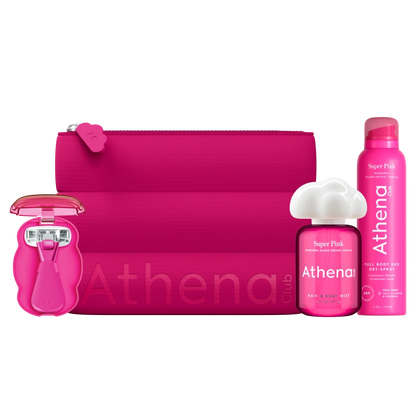
The most effective at-home method is soaking your razor head in 70% isopropyl rubbing alcohol for about 5-10 minutes after each shave. First, rinse off all the visible debris under hot water, then submerge just the blade cartridge in a small cup of rubbing alcohol. After soaking, let it air dry completely—don't rinse the alcohol off or wipe it down with a towel, since that can reintroduce bacteria. Store it in a dry place, preferably using the magnetic hook that comes with our Razor Kit to keep it elevated and away from shower splashes. Some people also swear by hydrogen peroxide as an alternative disinfectant, which works similarly.
How often should I be sterilizing my razor?
Honestly, ideally after every single use if you're breakout-prone. I know that sounds like a lot, but it becomes second nature once it's part of your routine. At minimum, sterilize your razor 2-3 times per week if you're shaving daily. If you notice any redness, bumps, or irritation starting, bump it up to every use until your skin calms down. Also, always sterilize before using a fresh blade for the first time—even new cartridges can pick up bacteria during manufacturing and shipping. Think of it as part of your shaving ritual, not an extra chore. The few seconds it takes is way better than dealing with a face or body full of angry bumps.
Can I use hot water alone to sterilize my razor?
The short answer is no, not really. While hot water does help loosen debris and can reduce some bacteria, it doesn't get hot enough to truly sterilize unless you're literally boiling your razor—which isn't practical and could damage the cartridge over time. Water needs to be at least 170°F sustained for several minutes to be considered sanitizing, and your tap water probably maxes out around 120-140°F.3 Hot water is great as your first step for cleaning, but you'll need to follow up with an actual disinfectant like rubbing alcohol to get the bacteria-killing power you need. Think of hot water as the opening act, not the main event.
Could my shaving products be contributing to the breakouts?
Absolutely. Heavy shaving creams and gels can clog your pores, especially if they contain comedogenic ingredients like coconut oil or certain silicones. Plus, thick formulas can gunk up your razor blades, creating even more hiding spots for bacteria. This is where switching to something lighter can be game-changing. Our Glossy Shave Oil uses SKINCLOUD™ technology to create that smooth glide without heavy buildup, or try Fluffy Shave Butter, which won Allure's Best of Beauty Award in both 2024 and 2025 for its creamy-but-not-heavy formula. Both rinse clean without leaving residue that feeds bacterial growth on your blades.
How do I know if my razor is too old and needs replacing?
If you're experiencing breakouts even with proper sterilization, your blades might just be past their prime. Dull blades tug at hair instead of cutting cleanly, causing micro-tears in your skin that are basically open invitations for bacteria. General rule of thumb: replace your blade cartridge every 5-10 shaves, or about once a month if you shave regularly. You'll know it's time when you feel more drag, need multiple passes over the same area, or notice increased irritation. Our Razor Kit blades are designed with wider spacing between those five blades to resist buildup longer, but even premium blades need regular replacing to keep your skin happy.
Should I be exfoliating before I shave?
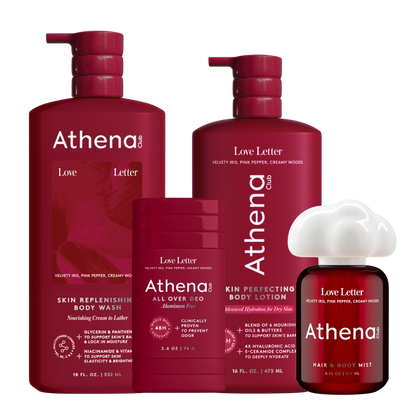
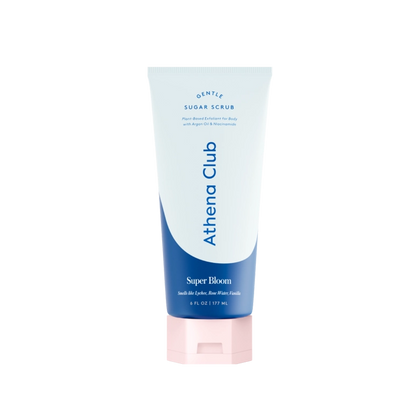
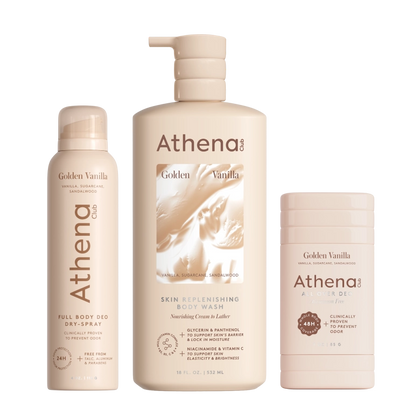
Yes, and this is a super underrated step for preventing breakouts. Exfoliating removes dead skin cells that would otherwise clog your razor and potentially get pushed back into your pores during shaving. Use something gentle like our Skin Replenishing Body Wash, which is pH-balanced and won Elle Magazine Canada's Beauty Grand Prix in 2025, or try the Gentle Sugar Scrub once or twice a week for deeper exfoliation. Just don't overdo it—aggressive scrubbing right before shaving can irritate your skin and make it more vulnerable to bacteria. Light exfoliation, then shave, then proper razor sterilization is your golden triangle for clear, smooth skin.
Is storing my razor in the shower making things worse?
Unfortunately, yes. Your shower is basically a bacteria spa—warm, humid, and perfect for microbial growth. When you leave your razor sitting in that steamy environment, water droplets stay trapped between the blades, creating the ideal breeding ground for bacteria and even mold. Instead, store your razor outside the shower in a dry area where air can circulate around it. The magnetic hook that comes with Athena Club's razor is clutch for this—mount it on your bathroom wall or mirror where it can fully dry between uses. If you absolutely must keep it in the shower, at least shake off excess water vigorously and position it somewhere that doesn't get direct spray.
Can I share razors with my partner or roommate?
Hard no. Sharing razors is basically sharing bacteria, dead skin cells, and potentially blood-borne pathogens if either person gets a nick. Even with sterilization, it's not worth the risk. Everyone's skin has its own unique microbiome, and introducing someone else's bacteria to your freshly-shaved skin is asking for trouble. Plus, different people have different hair types and shaving patterns, which can dull blades unevenly. Get your own razor—our Razor Kit comes with everything you need to start, including that premium aluminum handle with non-slip coating and a magnetic storage hook, so there's no excuse for sharing.
What ingredients should I look for in aftershave products to prevent breakouts?
After shaving, your skin is slightly inflamed and more permeable, so what you put on it matters. Look for gentle, non-comedogenic ingredients like hyaluronic acid (which is already in our razor's serum strip), niacinamide, or witch hazel. Avoid heavy oils, fragrances, and alcohol-based products that can further irritate already-sensitive skin. A lightweight, pH-balanced body wash like our Skin Replenishing Body Wash works great as a gentle cleanse immediately after shaving. If you're shaving areas prone to sweat and friction, following up with something like All Over Deo, which won Elle Magazine Canada's Beauty Grand Prix in 2025, can help keep bacteria at bay without clogging pores.
Could I be allergic to something in my razor?
It's possible but less common than bacterial issues. Some people have nickel allergies that react to the metal in razor blades, or sensitivities to certain lubricating strips. If you're getting consistent irritation in the exact pattern where the razor touches—not just around follicles—and sterilization doesn't help, you might be dealing with contact dermatitis rather than bacterial breakouts. The Athena Club razor features blades enhanced with shea butter and a hyaluronic acid serum strip, which are generally well-tolerated, but if you suspect an allergy, try switching to a different razor entirely or consult a dermatologist. True allergic reactions usually show up as red, itchy patches rather than pimple-like bumps.
Quick Answers
- Rinsing your razor removes visible debris but doesn't kill bacteria—you need to sterilize with rubbing alcohol after each use
- Soak your razor head in 70% isopropyl alcohol for 5-10 minutes, then let it air dry completely in a dry location outside your shower
- Replace blade cartridges every 5-10 shaves or when you feel increased drag to prevent dull blades from causing micro-tears
- Heavy shaving products can clog pores and trap bacteria—switch to lighter formulas that rinse clean
- Never share razors, and always store yours in a dry place where it can fully air out between uses
- Gentle exfoliation before shaving helps prevent dead skin buildup that contributes to breakouts
Ready to upgrade your self-care routine? Explore the full Athena Club collection and discover what works for you.
Sources
- American Academy of Dermatology Association. "How to treat razor burn." AAD.org
- Centers for Disease Control and Prevention. "Guideline for Disinfection and Sterilization in Healthcare Facilities." CDC.gov, 2008
- U.S. Food and Drug Administration. "Bacterial Contamination of Personal Care Products." FDA.gov


