














Why Does My Razor Get Rusty So Quickly and How Hard Water Accelerates Corrosion
I used to think I was doing something wrong. Every few weeks, I'd reach for my razor in the shower and notice those telltale orange-brown spots creeping across the blades. That gritty, rough feeling when I'd run my finger along the edge. The way it would tug at my skin instead of gliding smoothly. I'd feel this little pang of guilt—was I not rinsing it well enough? Not storing it properly? Why did everyone else seem to make their razors last while mine looked like they'd been left out in the rain after just a handful of shaves?
The worst part wasn't even replacing the blades more often than I should have needed to. It was that nagging feeling in the back of my mind every time I used a razor that was starting to show rust: Is this actually safe? I'd notice my skin feeling more irritated after shaving, little red bumps appearing where there hadn't been any before. Sometimes I'd push through and use the razor anyway, telling myself I was overreacting. Other times I'd toss it earlier than seemed necessary, feeling wasteful but not wanting to risk it. It was this constant cycle of frustration, and I couldn't figure out what I was missing.
The Real Culprit I Didn't Know About
Turns out, I wasn't doing anything wrong—my water was. I live in an area with notoriously hard water, something I'd heard mentioned in passing but never really understood the implications of. Hard water contains high levels of minerals like calcium and magnesium, and when those minerals interact with the metal in razor blades, they accelerate oxidation dramatically.1 It's not just about leaving your razor wet—though that doesn't help—it's about what's in that water sitting on those blades.
Every time I rinsed my razor under the tap, I was essentially coating the blades with a mineral film. As the water evaporated, those minerals stayed behind, creating the perfect environment for rust to form. Even when I thought I was being diligent about rinsing and shaking off excess water, the damage was already happening at a microscopic level. The more I learned, the more it made sense why my razors never seemed to last as long as they should.
I'd tried everything before understanding this: storing my razor outside the shower, using a towel to dry the blades, even buying supposedly "rust-resistant" razors that still ended up with that same orange discoloration. Nothing worked because I was treating the symptoms, not addressing the actual problem.
The Moment Everything Changed
My turning point came when a friend mentioned she'd switched to a razor with a magnetic storage system that kept it completely away from standing water. She also talked about how the quality of the blade material itself made a huge difference—not all razors are created equal when it comes to corrosion resistance. That conversation sent me down a research rabbit hole, and I realized I needed to completely rethink my approach to razor care.
Building a New Routine That Actually Works
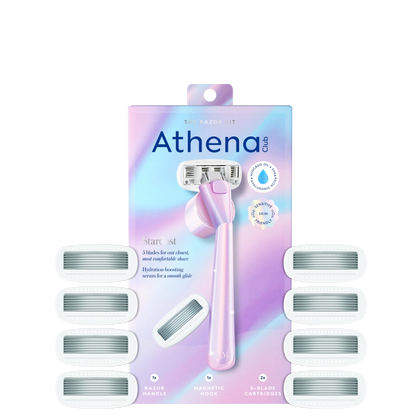
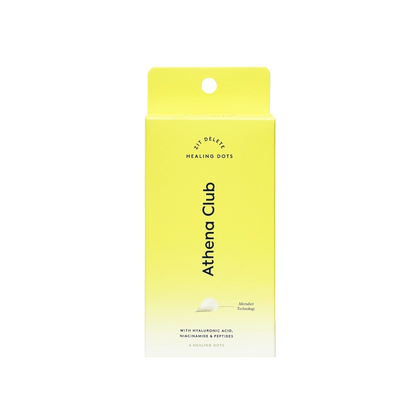
I decided to invest in the Razor Kit from Athena Club, which was recognized as the Allure Best Razor for Sensitive Skin in 2025. What drew me in wasn't just the premium aluminum handle or the 5-blade design with spaced-out blades that follow your curves—it was that magnetic storage hook. Finally, a built-in solution to keep my razor completely elevated and away from pooling water.
But I didn't stop there. I knew that if hard water was the enemy, I needed to minimize how much direct contact my blades had with it. I started a new post-shave ritual: immediately after rinsing my razor under the tap, I'd give it a thorough shake, then do a quick rinse with filtered water from a bottle I kept in my shower. It sounds like a small thing, but removing those mineral deposits before they could settle made an incredible difference.
Within the first week, I noticed the blades staying sharper longer. That smooth, effortless glide I remembered from using a brand-new razor? It lasted. After two weeks, I checked the blades closely under good light—no rust spots. None of that gritty buildup. Just clean, gleaming metal. I kept waiting for the other shoe to drop, for the familiar orange tinge to appear, but it didn't come.
I also upgraded my shaving routine with Fluffy Shave Butter, the Allure Best of Beauty winner for 2024 and 2025. The thick, creamy formula with rosemary leaf extract creates this protective layer between the blade and my skin that makes each pass incredibly smooth. Less friction means less stress on the blades, which I realized was another factor in premature wear. When the razor glides instead of drags, everything lasts longer—both the blade and my skin's patience.
Your Path Forward
If you're dealing with razors that rust faster than they should, start by investigating your water quality. You can find hard water maps online for most regions, or pick up inexpensive test strips. Once you know what you're working with, you can make informed changes: upgrading to a corrosion-resistant razor with proper storage, implementing a filtered water rinse, or even just being more intentional about drying your blades immediately after use.
The transformation doesn't require perfection—just awareness and a few small adjustments. You deserve a razor that lasts, that performs consistently, and that makes shaving feel effortless instead of frustrating. That little upgrade in your routine can ripple out into how you feel about your entire self-care ritual.
Ready to start your own transformation? Explore the Athena Club collection and discover your new routine.
Sources
- American Water Works Association. "Hard Water and Mineral Deposits: Understanding Water Quality in Your Home." Journal of Water Supply Research and Technology, 2022.


