





















You've switched to a fancy razor, you're using all the right products, and you've even mastered the whole "shave in the direction of hair growth" thing. So why does your sensitive skin still feel like it's staging a protest every time you shave? If you're dealing with redness, bumps, or that tight, angry feeling post-shave, you're definitely not alone—and more importantly, you're not doing anything wrong. The truth is, sensitive skin needs a bit more TLC than standard shaving advice accounts for. Let's dig into what's actually happening to your skin and how to finally stop the irritation cycle for good.
What's Really Happening to Your Sensitive Skin When You Shave
Here's the thing: shaving is essentially controlled exfoliation with a sharp blade. Every time that razor glides across your skin, it's removing hair and the top layer of dead skin cells.1 For most people, this is no big deal. But if you have sensitive skin, your skin barrier is already more reactive and vulnerable than average. That means what feels like a gentle shave to someone else might be triggering inflammation, micro-damage, and moisture loss for you.2
Your skin barrier is like a brick wall—when it's strong and intact, it keeps irritants out and moisture in. But sensitive skin often has a compromised barrier with tiny gaps that let water escape and irritants sneak in more easily. Add a razor to the mix, and you're essentially asking your already-stressed skin to handle even more disruption. The result? That familiar redness, tightness, or bumpy texture that shows up hours (or even days) after shaving.
The Sneaky Culprits Making Your Irritation Worse
Let's be real—sometimes the issue isn't just your sensitive skin. It might be what you're doing before, during, or after you shave. One major offender? Dull blades. When your razor blade loses its edge, it starts tugging at hair instead of cleanly cutting it, which creates more friction and trauma to the skin.3 If you're getting more than 5-7 shaves out of a blade cartridge, it's time for a refresh.
Another culprit is shaving dry or nearly-dry skin. We've all been guilty of the quick dry-shave when we're running late, but this is especially brutal for sensitive skin. Without proper slip and hydration, the razor drags across your skin rather than gliding smoothly. You also might be using products with ingredients that sound nice but actually irritate sensitive skin—think heavily fragranced shaving creams, alcohol-based aftershaves, or foaming formulas with harsh sulfates.
And here's one people don't talk about enough: over-exfoliating. If you're using a scrub or exfoliating body wash right before shaving, you're essentially exfoliating twice. Your sensitive skin doesn't need that much friction in one routine.
Why Your Razor Matters More Than You Think
Not all razors are created equal, especially when sensitive skin is in the picture. The spacing between blades, the quality of the blade edge, and even what's coating those blades all impact how your skin reacts. A razor with blades crammed too close together can trap hair and dead skin, leading to more passes over the same spot (hello, irritation). On the flip side, well-spaced blades allow hair and shaving cream to rinse away cleanly, reducing the need for repeat strokes.4
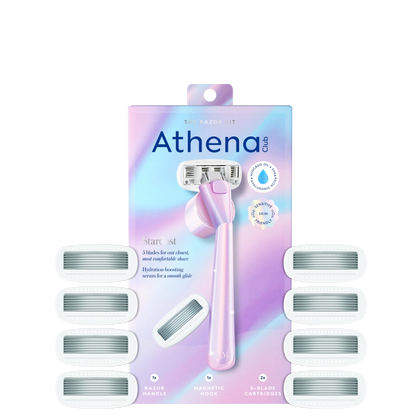
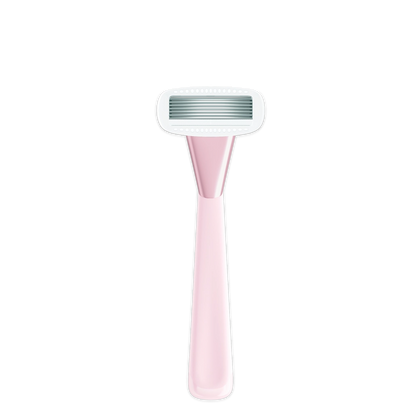
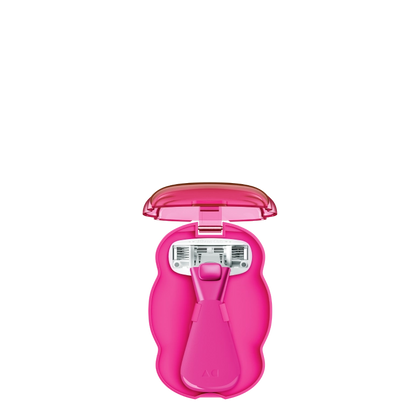
The Razor Kit was designed with this exact challenge in mind. Its five blades are strategically spaced to follow your body's curves while the built-in hyaluronic acid serum strip and shea butter–enhanced blades add an extra layer of glide and hydration with every pass. It's not just about getting a close shave—it's about getting there without making your sensitive skin angry. The premium aluminum handle with its non-slip silicone coating also gives you better control, which means fewer accidental nicks and less pressure on your skin.
The Pre-Shave Prep Your Sensitive Skin Is Begging For
You know that saying "preparation is everything"? It's especially true for shaving sensitive skin. The key is creating the right environment before the razor ever touches your skin. Start with warm water—either in the shower or with a warm, damp towel held against the area for a minute or two. This softens both the hair and the outer layer of skin, making everything easier to cut and reducing the resistance your razor encounters.
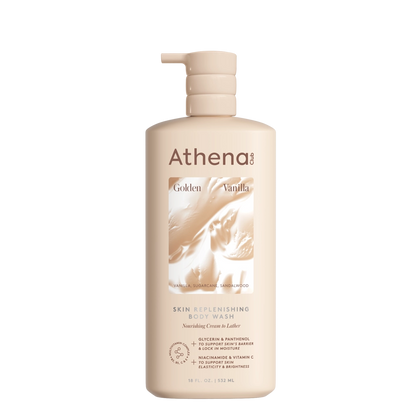
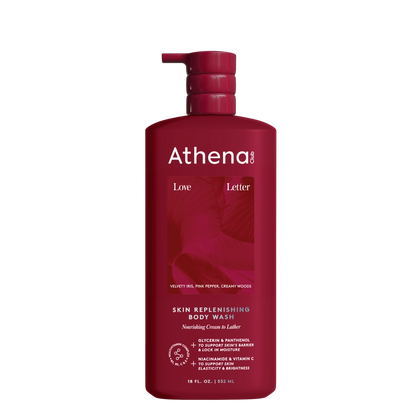
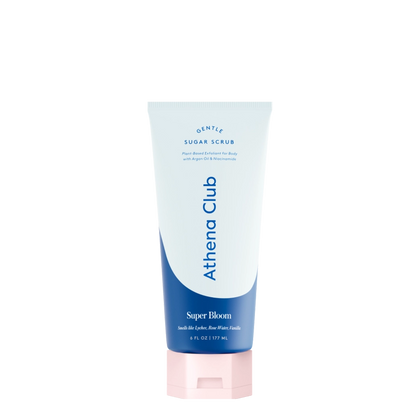
Next, gently cleanse the area with something that won't strip your skin. The Skin Replenishing Body Wash is pH-balanced and packed with a vitamin complex that cleanses while nourishing your skin—not stripping it down to its stressed-out core. This isn't the time for exfoliation (remember, the razor will do that naturally). Save the Gentle Sugar Scrub for a day or two before your shave if you want to prep by removing dead skin buildup, but never right before you shave.
Then comes the real game-changer: your shaving medium. Forget the foamy, scented stuff that disappears the second it hits your skin. Sensitive skin needs something with serious slip and staying power.
The Shaving Products That Actually Protect Sensitive Skin
This is where a lot of people go wrong—they assume any shaving cream or gel will do the job. But the best products for sensitive skin create a protective cushion between your razor and your skin while delivering hydration at the same time. You want something that won't evaporate or rinse away too quickly, leaving your razor scraping against bare skin.
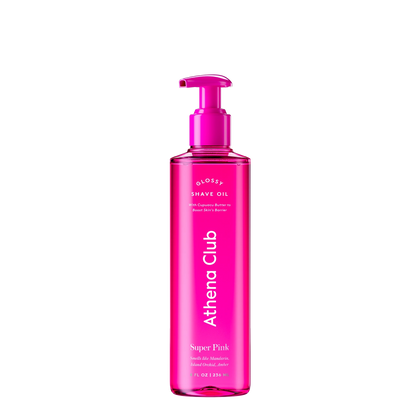
The Glossy Shave Oil is a total revelation if you haven't tried the oil-route before. It's an oil-serum hybrid with SKINCLOUD™ technology that creates this silky, transparent layer so you can see exactly where you're shaving (no more guessing and going over the same spot three times). The oil base means it doesn't dry out mid-shave, and it leaves your skin feeling soft and hydrated, not tight and stripped.
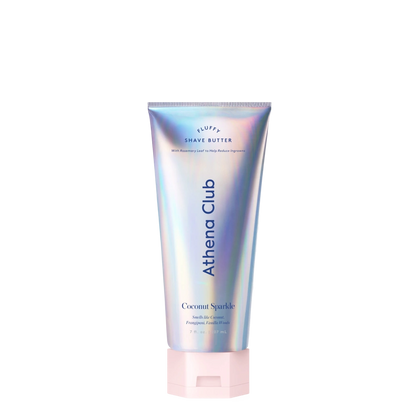
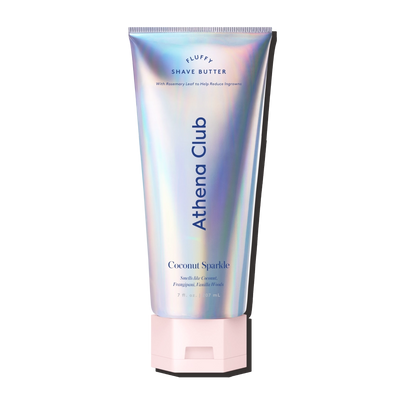
If you prefer something with more cushion, the Fluffy Shave Butter—a two-time Allure Best of Beauty Award winner (2024 and 2025)—gives you that thick, creamy texture with rosemary leaf extract to soothe as you shave. It's called "fluffy" for a reason: the texture is like a cloud that protects your skin from every stroke. Both options are miles better than those foaming formulas that disappear before you're halfway through your leg.
Post-Shave Care That Actually Calms Things Down
Here's where the magic happens—or where things can still go sideways if you're not careful. Right after shaving, your skin barrier is temporarily compromised and extra vulnerable. Rinse with cool (not hot) water to close your pores and calm any inflammation that's starting to brew. Pat dry gently—don't rub—because friction is not your friend right now.
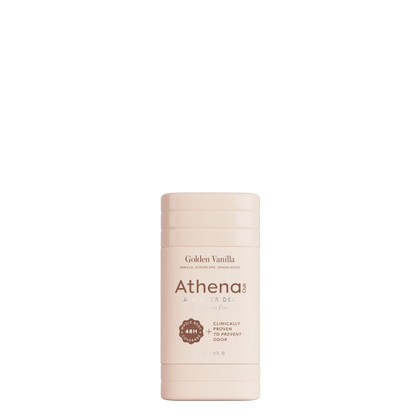
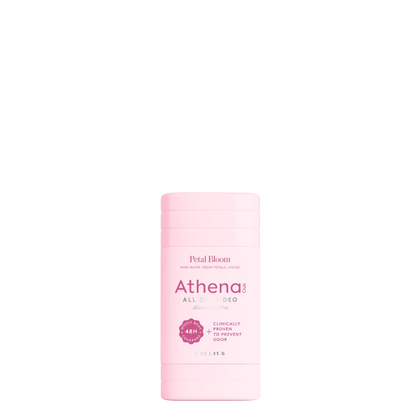
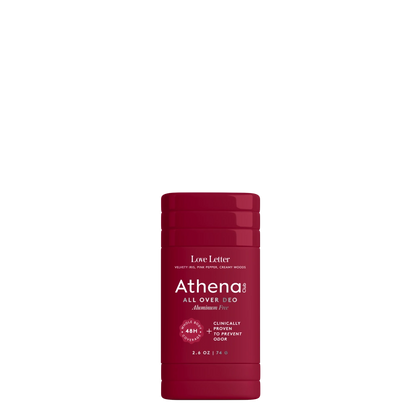
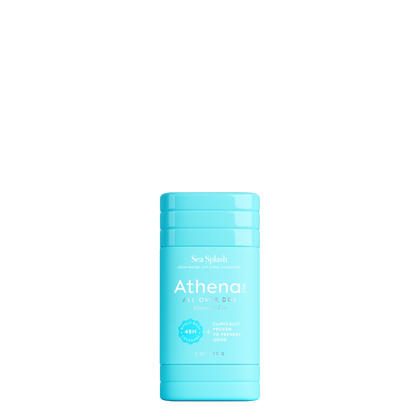
Skip anything with alcohol, synthetic fragrances, or astringent ingredients for at least a few hours post-shave. Instead, reach for a gentle, fragrance-free moisturizer to seal in hydration and support your skin barrier as it recovers. If you're dealing with underarm irritation specifically, the All Over Deo offers 48-hour aluminum-free protection that's gentle enough for freshly shaved sensitive skin (it even won Elle Magazine Canada's Beauty Grand Prix in 2025).
And give your skin a break between shaves when you can. Shaving every single day doesn't give sensitive skin enough recovery time, which can lead to chronic irritation and those persistent red bumps that never seem to fully go away.
When to Switch Up Your Technique
Even with all the right products, your actual shaving technique matters enormously. Always shave in the direction of hair growth first—yes, even if it doesn't feel quite as close. Going against the grain might give you baby-smooth results initially, but it also increases the risk of ingrown hairs, razor burn, and prolonged redness for sensitive skin.5 If you absolutely must go against the grain for a closer shave, do it only after a first pass with the grain, and use a light touch.
Don't apply pressure. Let the weight of the razor do the work—quality razors are designed to cut effectively without you bearing down. And resist the urge to go over the same spot repeatedly. If you didn't get all the hair in one pass, reapply your shaving oil or butter before making another stroke. Dry passes are a guaranteed ticket to irritation city.
The Bottom Line
- Sensitive skin has a more vulnerable barrier that reacts more intensely to the physical stress of shaving
- Dull blades, dry shaving, and harsh products are making your irritation worse—not your skin being "difficult"
- Proper prep with warm water and gentle cleansing sets the stage for a smoother, less irritating shave
- Oil-based or butter-based shaving products create better protection and slip than traditional foaming formulas
- Shave with the grain first, use a light touch, and give your skin recovery time between shaves
- Post-shave care with gentle, fragrance-free products helps your skin barrier bounce back faster
Your Sensitive Skin Deserves a Gentler Approach
If you've been blaming your sensitive skin for being "too difficult" or "too reactive," it's time to reframe that narrative. Your skin isn't the problem—it's just asking for a routine that actually works with it instead of against it. That means the right tools (sharp, well-designed blades), the right products (protective, hydrating formulas), and the right technique (gentle, intentional strokes). Once you dial in these elements, you'll finally experience what shaving should feel like: smooth, comfortable, and irritation-free.
The reality is that sensitive skin isn't going to magically become less sensitive, but you absolutely can change how it reacts to shaving. With a few thoughtful swaps and a little extra attention to prep and aftercare, those angry red bumps and tight, uncomfortable feelings can become a thing of the past. Your skin has been trying to tell you what it needs—now you know how to listen.
Ready to finally give your sensitive skin the shave it deserves? Check out the Athena Club collection and discover the tools and products that transform your routine from frustrating to actually enjoyable.
Sources
- American Academy of Dermatology Association. "How to shave without irritating your skin." AAD.org
- Draelos, Z. D. "Sensitive skin: perceptions, evaluation, and treatment." American Journal of Clinical Dermatology, vol. 2, no. 3, 2001, pp. 131-137.
- Trüeb, R. M. "Shaving and its effects on the skin." Skin Therapy Letter, vol. 11, no. 5, 2006, pp. 5-7.
- Olsen, E. A. "Methods of hair removal." Journal of the American Academy of Dermatology, vol. 40, no. 2, 1999, pp. 143-155.
- Vanoosthuyze, K., et al. "A comparative study of multi-blade versus single-blade razors." Skin Research and Technology, vol. 24, no. 2, 2018, pp. 395-401.


