

















You made the switch to natural deodorant with the best intentions—better ingredients, no aluminum, all those clean beauty promises. But instead of feeling fresh and confident, you're dealing with an angry, itchy rash that has you seriously reconsidering your choices. Here's the frustrating part: even if you have sensitive skin and specifically bought a "gentle" formula, you might still be dealing with irritation. Let's talk about why this happens and, more importantly, how to make it stop.
Why Does Natural Deodorant Cause Rashes in the First Place?
Let's be real—the irony of getting a rash from something marketed as "gentle" and "natural" is not lost on anyone. But here's the thing: natural doesn't automatically mean irritation-free, especially when it comes to the delicate skin under your arms.
The main culprit? Baking soda. It's one of the most common ingredients in natural deodorants because it's incredibly effective at neutralizing odor. But baking soda is highly alkaline, and your skin naturally sits at a slightly acidic pH (around 4.5 to 5.5).1 When you repeatedly apply something with a pH of 8 or 9 to skin that prefers to be more acidic, you're essentially disrupting your skin's natural protective barrier. That disruption can lead to redness, bumps, itching, and that burning sensation that makes you want to keep your arms away from your sides all day.
Essential oils are another common trigger. While they smell amazing and have antibacterial properties, oils like tea tree, lemongrass, and peppermint can be irritating to sensitive skin—especially in the concentration levels found in some natural deodorants.2 And if you're applying deodorant right after shaving? That's like adding fuel to the fire, since freshly shaved skin is already compromised and extra sensitive.
Wait, I Thought Sensitive Skin Formulas Were Supposed to Prevent This
You'd think a deodorant labeled "for sensitive skin" would be your safe haven, but it's not always that simple. Some brands remove baking soda and replace it with other alkaline ingredients that can still throw off your skin's pH balance. Others load up on starches or powders that can cause friction and clog pores, leading to those tiny red bumps that feel like sandpaper.
There's also something called the "detox period" that gets thrown around a lot in the natural deodorant world. The idea is that your armpits need to "purge" all the aluminum and chemicals from conventional deodorant, and that rashes are just part of the process. Here's the truth: while your body does need time to adjust to a new deodorant (your sweat glands and skin bacteria are recalibrating), a rash isn't a necessary part of that transition.3 If you're experiencing persistent irritation, that's your skin telling you something in the formula isn't working for you—not that you need to suffer through a detox.
The reality is that "sensitive skin formula" means different things to different brands, and what works for one person might not work for another. Your skin's unique chemistry, your shaving routine, and even your stress levels can all play a role in how your underarms react.
How to Stop the Rash and Start Fresh
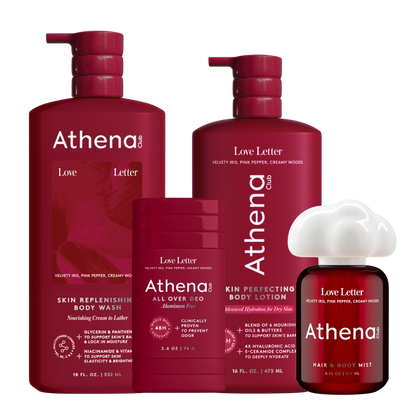
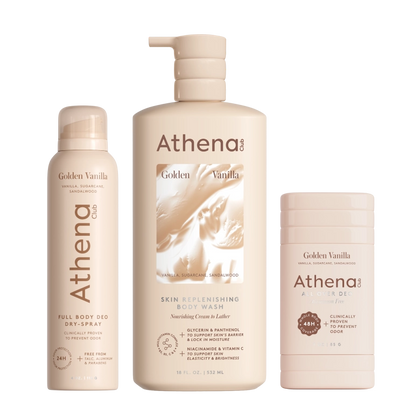
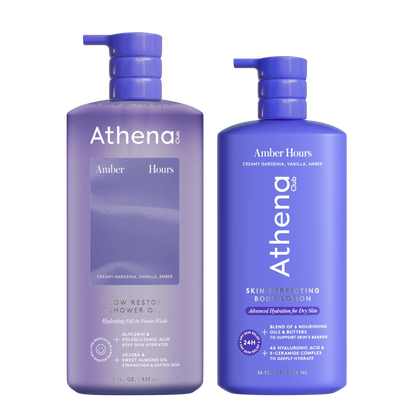
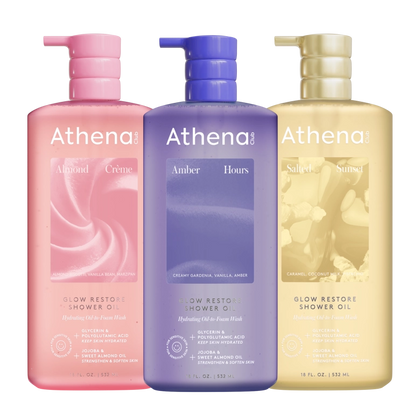
If you're currently dealing with irritation, the first step is to give your underarms a break. Stop using deodorant for a day or two if possible, and let your skin recover. You can speed up healing by keeping the area clean with a gentle, pH-balanced cleanser—something like our Skin Replenishing Body Wash, which cleanses without stripping your skin's natural moisture barrier.
Once the rash has calmed down, it's time to figure out what went wrong. Check your deodorant's ingredient list for baking soda—if it's in there, that's likely your issue. Look for formulas that use alternative odor-fighting ingredients like magnesium, zinc, or arrowroot powder instead. Our All Over Deo, which recently won Elle Magazine Canada's Beauty Grand Prix in 2025, provides 48-hour aluminum-free protection without relying on harsh baking soda, making it a solid option for sensitive skin.
Timing matters too. Never apply deodorant immediately after shaving—give your skin at least 10 to 15 minutes to calm down first. Better yet, shave at night and apply deodorant in the morning. And speaking of shaving, make sure you're using products that actually support your skin rather than irritate it further. A smooth shave with minimal irritation starts with the right tools and formulas.
Rethinking Your Entire Underarm Routine
Sometimes the rash isn't just about the deodorant—it's about everything you're doing to that area. If you're shaving with a dull blade, using harsh soaps, or skipping moisture entirely, you're setting yourself up for sensitivity before the deodorant even enters the picture.
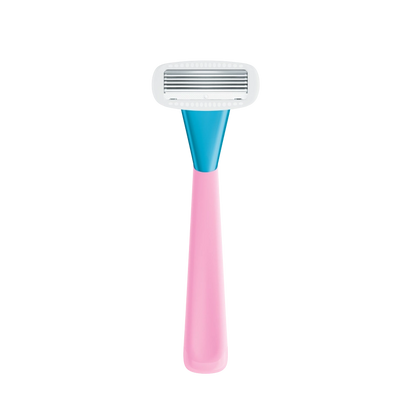
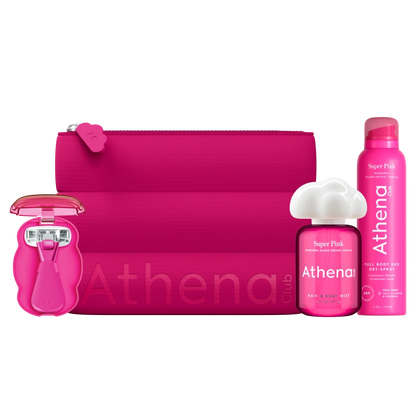
Start with a razor that's actually designed for your skin. The Razor Kit, which Allure named Best Razor for Sensitive Skin in 2025, features five carefully spaced blades that glide smoothly without tugging, plus a hyaluronic acid serum strip and shea butter–enhanced blades that add a layer of protection while you shave. That means less irritation from the start.
What you shave with matters just as much as what you shave with. Our Fluffy Shave Butter, a two-time Allure Best of Beauty Award winner (2024 and 2025), creates a thick, creamy barrier between your blade and your skin, with rosemary leaf extract to help soothe as you go. If you prefer something lighter, the Glossy Shave Oil is an oil-serum hybrid with SKINCLOUD™ technology that gives you a smooth glide without the weight.
After shaving, keep things simple. Pat your underarms dry gently—no rubbing—and wait before applying anything else. Your skin needs time to recover from the blade, and immediate product application is a recipe for irritation.
What to Do If You've Tried Everything and Still Get Rashes
If you've switched formulas, adjusted your routine, and you're still dealing with persistent irritation, it might be time to look beyond your deodorant. Contact dermatitis, eczema, and even fungal infections can all show up as underarm rashes that look similar to deodorant-related irritation.4 If your rash comes with oozing, severe swelling, or doesn't improve after a week of rest, it's worth checking in with a dermatologist.
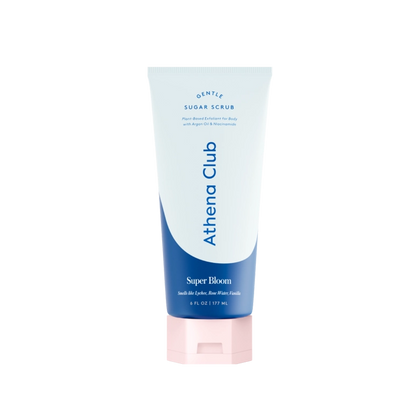
You might also consider whether other products in your routine are contributing to the problem. Heavily fragranced body washes, rough exfoliating scrubs used too frequently, or even your laundry detergent could be adding to the irritation. If you do exfoliate, save it for body areas that need it and keep it gentle—our Gentle Sugar Scrub works beautifully for smooth skin prep on legs and arms, but your underarms are too delicate for regular scrubbing.
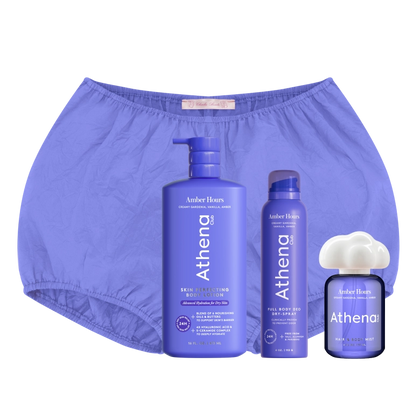
Some people with truly reactive skin find that they do better with a spray formula that doesn't require rubbing or direct contact. The Full Body Deo Dry-Spray delivers 24-hour odor control with rice starch in a no-touch application that minimizes friction and irritation.
The Bottom Line
- Baking soda is the most common rash culprit in natural deodorants—it disrupts your skin's pH balance and can cause serious irritation, even in "sensitive" formulas.
- A rash isn't part of a normal "detox" period—if your skin is angry, listen to it and switch products rather than powering through.
- Timing matters: never apply deodorant immediately after shaving, and make sure your shaving routine isn't adding to the problem with dull blades or harsh products.
- If irritation persists despite changing formulas and adjusting your routine, check in with a dermatologist to rule out other skin conditions.
Making the switch to natural deodorant doesn't have to mean sacrificing comfort or dealing with constant irritation. With the right formula and a little attention to your overall underarm care routine, you can absolutely find something that keeps you fresh without the rash. Your skin will thank you, and you'll finally get to enjoy all those clean beauty benefits you were promised in the first place.
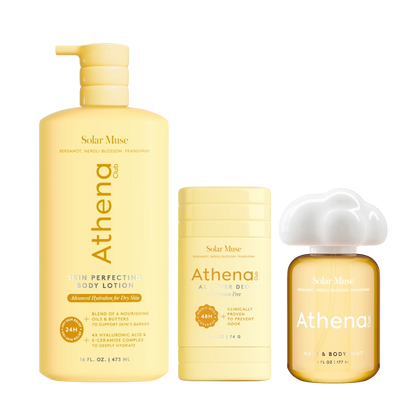
Ready to level up your routine? Check out the Athena Club collection and find your new favorite.
Sources
- Lambers H, Piessens S, Bloem A, Pronk H, Finkel P. Natural skin surface pH is on average below 5, which is beneficial for its resident flora. Int J Cosmet Sci. 2006;28(5):359-370.
- Sarkic A, Stappen I. Essential Oils and Their Single Compounds in Cosmetics—A Critical Review. Cosmetics. 2018;5(1):11.
- Callewaert C, Lambert J, Van de Wiele T. Towards a bacterial treatment for armpit malodour. Exp Dermatol. 2017;26(5):388-391.
- Fonacier L, Bernstein DI, Pacheco K, Holness DL, Blessing-Moore J, Khan D, et al. Contact dermatitis: a practice parameter—update 2015. J Allergy Clin Immunol Pract. 2015;3(3 Suppl):S1-S39.


