



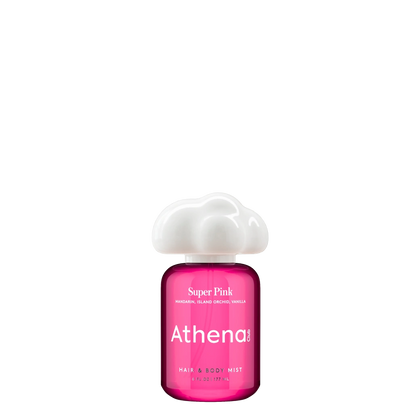
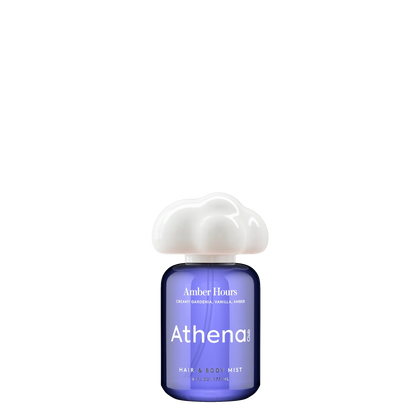


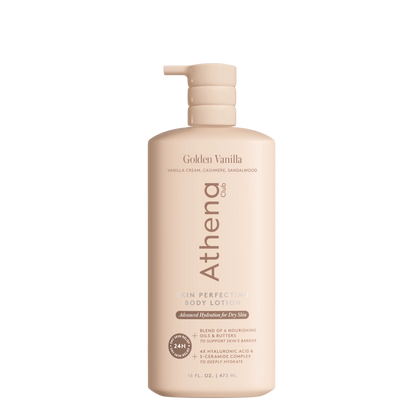
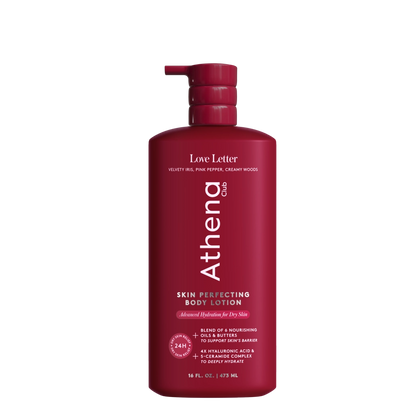











You know that moment when you lift your arms and catch a glimpse of darker skin under there, even though you've been diligently shaving? You're definitely not alone. Dark underarms are one of those frustrating beauty concerns that can feel like a mystery—especially when you're doing everything "right." The good news? Shaving doesn't have to mean darker underarms, and with a few simple tweaks to your routine, you can see real improvement in just two weeks. Let's break down what's actually happening and how to fix it.
So Why Does Shaving Make Your Underarms Look Darker?
Here's the thing: shaving itself doesn't technically darken your skin. What you're seeing is usually a combination of a few sneaky culprits working together. First up, there's the shadow effect. When you shave, you're cutting hair at the skin's surface, which means the root is still there, sitting just below. Since underarm hair tends to be darker and coarser than hair elsewhere, those roots can create a shadow that makes the area look darker overall—even when it's perfectly smooth to the touch.1
Then there's irritation and inflammation. Every time that razor glides across your skin, there's potential for micro-irritation, especially if your blade is dull or you're not using proper lubrication. Your skin responds to this irritation by producing more melanin (your skin's natural pigment), which can lead to post-inflammatory hyperpigmentation over time.2 It's basically your skin's protective response, but unfortunately, it can leave you with darker patches that linger.
Finally, there's buildup. Dead skin cells, deodorant residue, and natural oils can accumulate in the underarm area, creating a layer that looks darker or duller than the surrounding skin. When you're shaving regularly without exfoliating, this buildup only gets worse.
The Two-Week Turnaround: What Your Underarms Need Right Now
Let's be real—two weeks isn't a magic cure-all, but it's absolutely enough time to see noticeable improvement if you're consistent with a few key habits. Think of it as a mini reset for your underarm routine. The goal is to reduce irritation, clear away buildup, and give your skin the tools it needs to recover and renew.
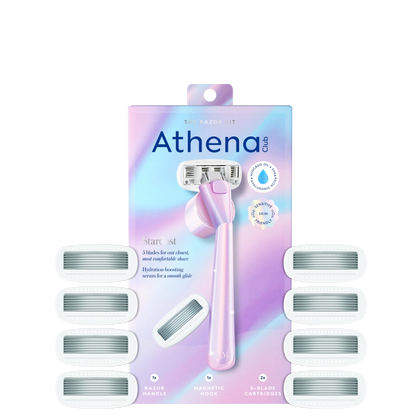
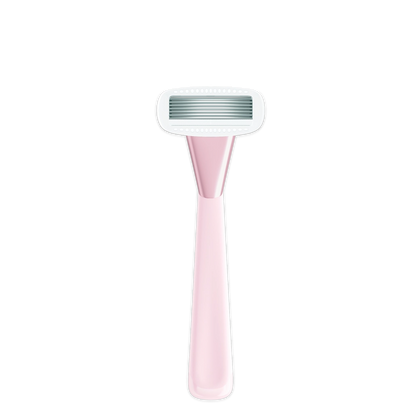
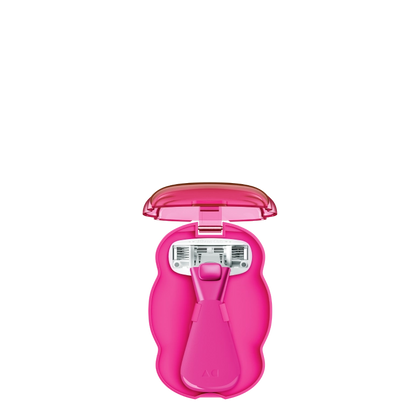
Start by upgrading your actual shaving technique. A quality razor makes all the difference. Our Razor Kit features five blades that are perfectly spaced to follow your body's curves while minimizing the number of passes you need (hello, less irritation). The hyaluronic acid serum strip and shea butter–enhanced blades mean you're adding hydration with every stroke, which helps protect your skin barrier instead of compromising it. Plus, when Good Housekeeping found that 89% of testers could shave in a single pass, that's not just convenient—it's genuinely better for preventing irritation and darkening.
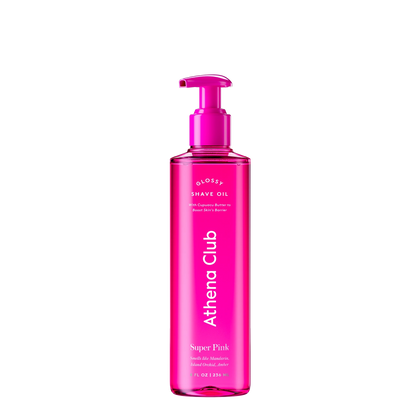
Next, never—and I mean never—dry shave. Even if you're in a rush, that quick dry shave is causing way more damage than the 30 seconds you're saving. You need a proper barrier between your blade and your skin. Our Glossy Shave Oil is a game-changer here. It's an oil-serum hybrid with SKINCLOUD™ technology that creates a silky, protective layer so your razor glides smoothly without tugging or catching.
Exfoliation: Your Secret Weapon Against Darkness
If you're not exfoliating your underarms, you're missing out on one of the most effective steps for evening out skin tone. Exfoliation does two important things: it clears away the dead skin cells and buildup that make the area look dull, and it helps prevent ingrown hairs (which can also contribute to dark spots and bumps).3
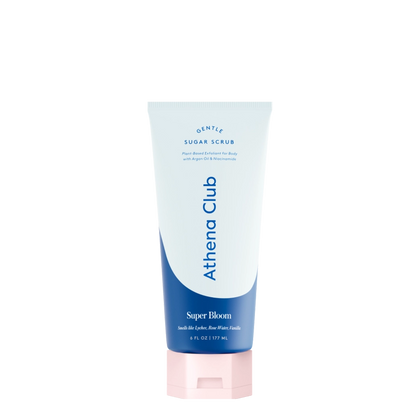
The key is to exfoliate before you shave, not after. Shaving on freshly exfoliated skin means your razor can get closer without having to work as hard, which reduces irritation. Our Gentle Sugar Scrub is perfect for this—it's effective enough to slough away buildup but gentle enough for the sensitive underarm area. Use it two to three times a week in the shower, focusing on small, circular motions under your arms.
One important note: give your skin a moment between exfoliating and shaving. You don't want to scrub and immediately drag a razor across the same area. A few minutes is fine—just enough to rinse thoroughly and let any temporary redness settle.
The Post-Shave Care That Actually Makes a Difference
What you do after shaving is just as important as the shave itself. Your underarms have just been through a bit of physical exfoliation (that's essentially what shaving is), so they need gentle care and nourishment to recover properly. Skip the harsh, alcohol-based products or heavily fragranced lotions that can cause stinging and further irritation.
After you shave, rinse with cool water to help close your pores and calm any inflammation. Pat dry gently—no aggressive rubbing. Then, give your skin a few minutes to breathe before applying deodorant. This waiting period is crucial because applying products to damp skin or immediately post-shave can trap moisture and irritation.
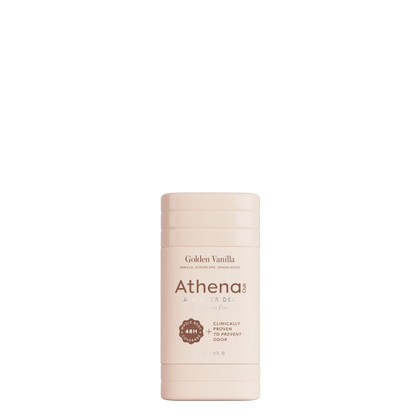
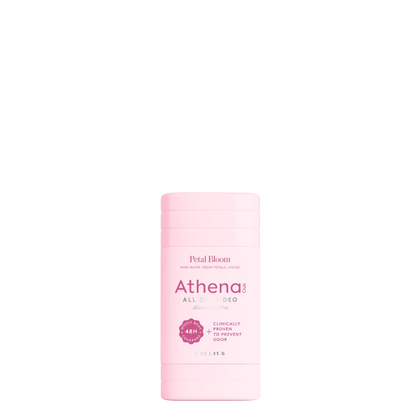
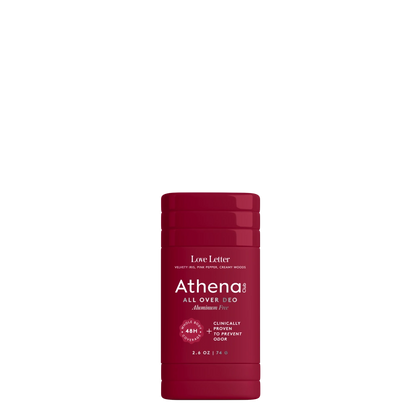
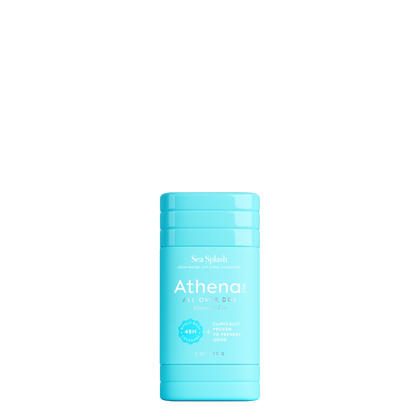
When you're ready for deodorant, consider switching to something that's formulated to be gentle on sensitive skin. Our All Over Deo offers 48-hour aluminum-free protection and is designed to be used anywhere on your body, including those just-shaved underarms. It won't clog pores or add to any darkness issues, and it's gentle enough for even the most sensitive skin (it's not called "All Over" for nothing—this formula earned an Elle Magazine Canada Beauty Grand Prix award in 2025).
The Daily Habits That Support Brighter Underarms
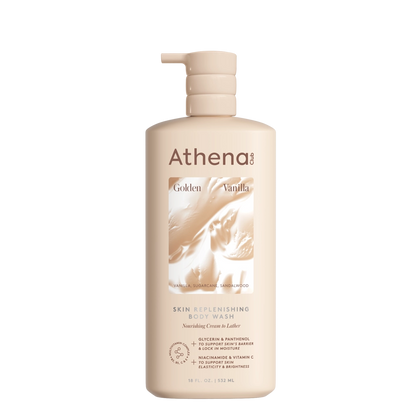
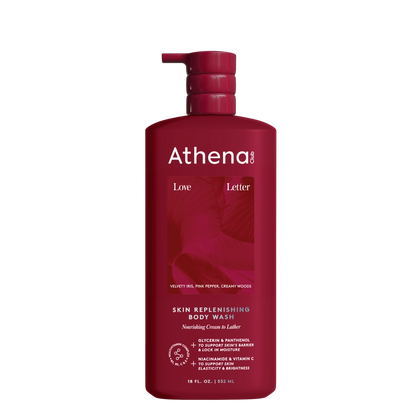
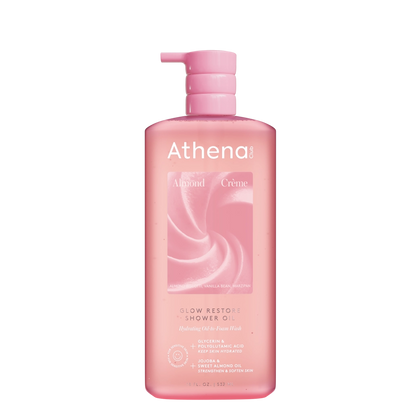
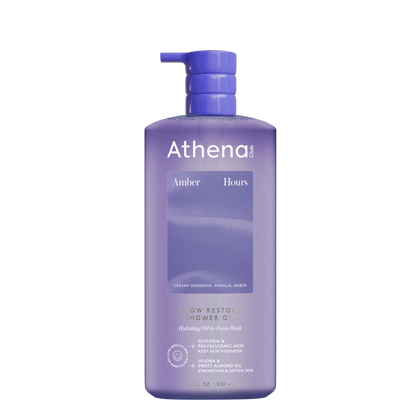
Beyond your actual shaving routine, there are a few daily habits that can accelerate your progress toward brighter, more even-toned underarms. First, keep your underarms clean without over-washing. It sounds simple, but using a pH-balanced, nourishing cleanser instead of harsh soap makes a real difference. Our Skin Replenishing Body Wash cleanses while delivering a vitamin complex that nourishes your skin—it's another Elle Magazine Canada Beauty Grand Prix winner from 2025.
Also, take a look at your deodorant situation. Some traditional deodorants and antiperspirants can contribute to buildup and darkening over time, especially formulas with heavy aluminum content or certain fragrances. If you notice residue building up throughout the day, it might be time to switch.
Finally, give your underarms some air when you can. Tight clothing and constant friction can worsen irritation and darkness. Whenever possible—like when you're lounging at home—wear loose, breathable fabrics that let your skin breathe and recover.
When to Expect Results (And What's Realistic)
Let's set realistic expectations. Within the first week of switching up your routine, you'll likely notice that your underarms feel smoother and less irritated. The skin might look a bit brighter just from clearing away buildup and dead skin cells. By week two, you should see more noticeable evening of your skin tone, especially if darkness was primarily caused by irritation and buildup rather than deeper hyperpigmentation.
If you have more stubborn darkening that's been developing over months or years, two weeks will show improvement, but complete evening of skin tone might take 4-6 weeks of consistent care. The key word here is consistent. These changes work because you're giving your skin what it needs, day after day, and allowing it to go through its natural renewal cycle without constant irritation.
Keep in mind that everyone's skin is different. Factors like your natural skin tone, hair color, how long you've been dealing with darkness, and even your hormones can all play a role in how quickly you see results. Be patient with yourself and celebrate the small wins along the way.
What If It's Not Just Shaving?
Sometimes dark underarms have less to do with your shaving routine and more to do with other factors. Certain medical conditions, hormonal changes, or medications can cause darkening in the underarm area. If you've overhauled your routine and aren't seeing any improvement after several weeks, or if the darkness is accompanied by other symptoms like thickening skin or unusual texture, it's worth checking in with a dermatologist.4
That said, for most people, dark underarms are simply a cosmetic concern caused by the combination of hair shadows, irritation, and buildup—all things that are totally manageable with the right approach.
The Bottom Line
- Dark underarms after shaving are usually caused by hair shadows beneath the skin, irritation from shaving, and buildup of dead skin cells and product residue—not actual darkening of the skin itself.
- A sharp, quality razor with proper lubrication is your first line of defense against irritation and the darkness that follows.
- Exfoliating 2-3 times per week before shaving clears buildup and helps prevent ingrown hairs that can create dark spots.
- What you do after shaving matters just as much—gentle cleansing, allowing skin to breathe before applying deodorant, and choosing aluminum-free options can all help.
- With consistent care, you can see noticeable improvement in just two weeks, though more stubborn darkness may take 4-6 weeks to fully even out.
Your New Underarm Routine, Simplified
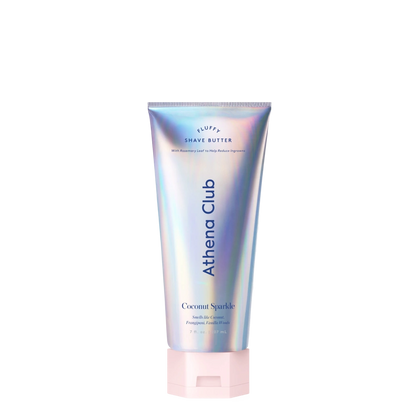
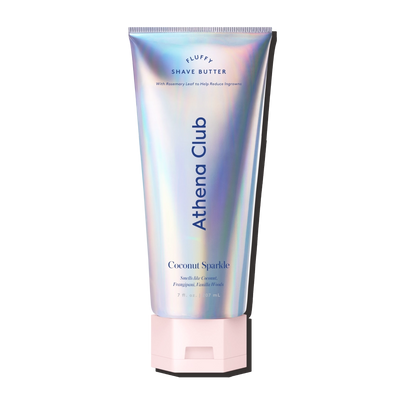
Ready to put this all into action? Here's your simple two-week plan. Two to three times per week, use the Gentle Sugar Scrub before shaving to clear away buildup. When you shave, use a quality razor like our Razor Kit along with Glossy Shave Oil or the Allure Best of Beauty award-winning Fluffy Shave Butter for smooth, protected glide. After shaving, rinse with cool water, pat dry, and wait a few minutes before applying your All Over Deo.
Daily, cleanse with a nourishing formula like our Skin Replenishing Body Wash that keeps your underarms clean without stripping or irritating. That's it. No complicated ten-step routine, no expensive treatments—just consistent, thoughtful care that gives your skin what it actually needs.
Ready to level up your routine? Check out the Athena Club collection and find your new favorite.
Sources
- American Academy of Dermatology Association. "How to Get Rid of Razor Bumps." AAD.org. Accessed 2025.
- Handel, A.C., Miot, L.D., & Miot, H.A. (2014). "Melasma: a clinical and epidemiological review." Anais Brasileiros de Dermatologia, 89(5), 771-782.
- Draelos, Z.D. (2018). "The science behind skin care: Cleansers." Journal of Cosmetic Dermatology, 17(1), 8-14.
- Cleveland Clinic. "Acanthosis Nigricans." Cleveland Clinic Health Library. Accessed 2025.


