
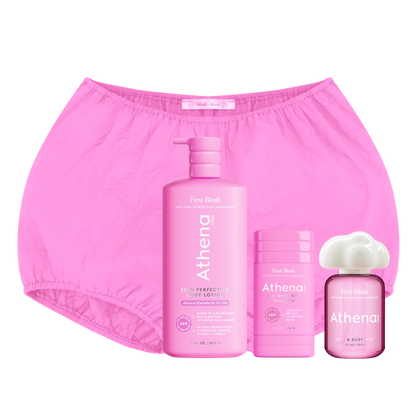

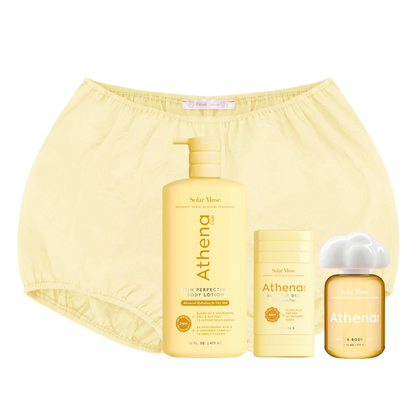

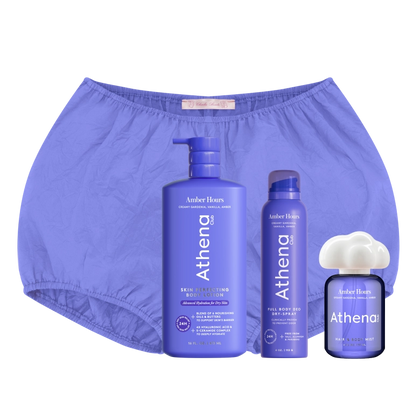
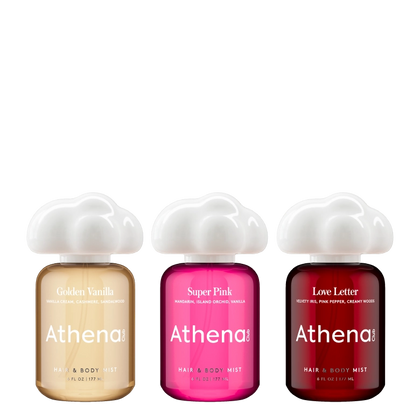











You've probably noticed it—those darker patches on your underarms, bikini line, or inner thighs that seem to get more noticeable over time. If you shave regularly, you might be wondering if your razor is to blame. The short answer? Shaving can contribute to darkening in sensitive areas, but it's not quite as simple as "razor = dark skin." Let's talk about what's really happening, why it happens, and—most importantly—what you can actually do about it.
Does shaving actually cause skin darkening?
Here's the thing: shaving itself doesn't directly darken your skin, but the friction, irritation, and inflammation that can come with it absolutely can. When your skin gets repeatedly irritated—whether from a dull blade, dry shaving, or pressing too hard—it responds by producing more melanin as a protective mechanism.1 This process, called post-inflammatory hyperpigmentation, is especially common in sensitive areas like your underarms and bikini line where the skin is thinner and more delicate. So while your razor isn't staining your skin, the irritation from poor shaving habits can trigger darkening over time.
Why are sensitive areas more prone to darkening?
Honestly, sensitive areas have a lot working against them. The skin in places like your underarms, bikini line, and inner thighs is naturally thinner and has more folds, which means more friction during everyday movement.2 Add shaving into the mix—especially if you're doing it frequently—and you're creating the perfect storm for irritation. These areas also tend to stay warmer and more humid, which can contribute to inflammation. Your body responds to all this friction and irritation by producing extra melanin, which shows up as those darker patches. It's basically your skin's way of trying to protect itself, but it ends up looking like discoloration.
What shaving mistakes make darkening worse?
Let's talk about the big ones. Dry shaving is probably the worst offender—dragging a blade across dry skin creates massive friction and practically invites irritation. Using a dull razor is a close second because it tugs at hair instead of cleanly cutting it, which stresses the skin. Shaving too frequently without giving your skin time to recover, pressing down too hard, or going over the same spot multiple times can all contribute to chronic irritation. And if you're skipping any kind of prep or aftercare? That's not helping either. The good news is that all of these are totally fixable with a few simple changes to your routine.
How does using a sharp, quality razor make a difference?
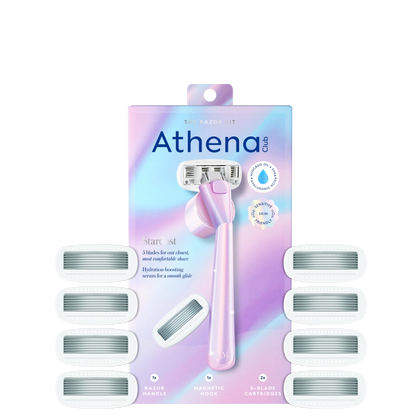
The short answer is: everything. A sharp blade cuts hair cleanly in one pass, which means less tugging, less friction, and way less irritation. Our Razor Kit is designed specifically with this in mind—it features a 5-blade system with spaced-out blades that follow your curves and glide smoothly without requiring pressure. The blades are enhanced with shea butter and include a hyaluronic acid serum strip that helps the razor glide while giving your skin some extra moisture. Good Housekeeping found it delivered 89% single-pass shaving, which means you're not going over the same area repeatedly.3 Less passes equals less irritation, which helps prevent that post-shave darkening. Replace your blades regularly—every 7-10 shaves is a good rule—and you'll notice the difference.
Should I use shaving cream, oil, or butter?
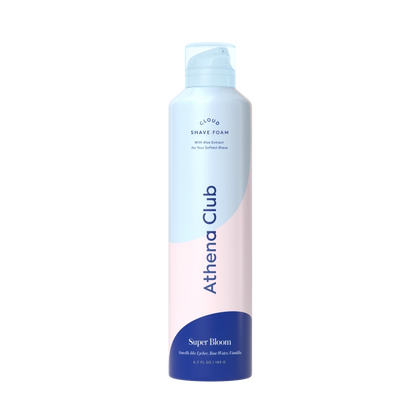
You definitely need something between your blade and your skin—that much is non-negotiable. But what you choose depends on your preference and skin type. If you love that smooth, just-glided-on feeling and want something that helps the razor move effortlessly, try Glossy Shave Oil. It's an oil-serum hybrid with SKINCLOUD™ technology that creates a protective barrier while keeping skin soft. If you prefer something richer and creamier, Fluffy Shave Butter—which has won Allure's Best of Beauty Award two years running—gives you that thick, cushiony layer with rosemary leaf extract. Both options reduce friction dramatically, which is key to preventing irritation and the darkening that follows.
Does exfoliating before shaving help prevent darkening?
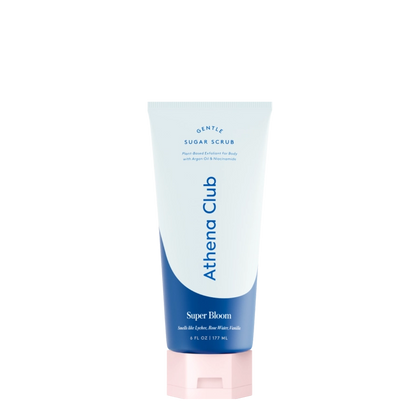
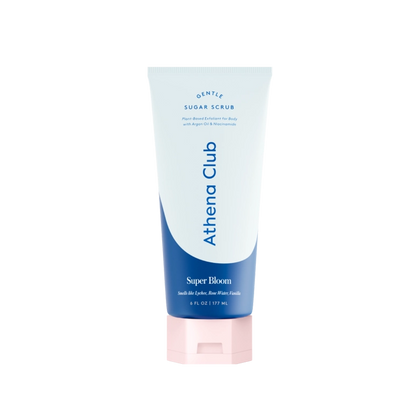
Yes, and here's why: exfoliating removes dead skin cells and helps lift hairs so your razor can cut them more cleanly. When hair is trapped under a layer of dead skin, your razor has to work harder, which means more friction and irritation. Gently exfoliating 1-2 times a week with something like our Gentle Sugar Scrub helps prep your skin for a smoother shave and reduces the chance of ingrown hairs, which can also contribute to dark spots. Just don't overdo it—over-exfoliating can cause its own irritation. Think of it as clearing the runway so your razor can do its job efficiently.
What should I do immediately after shaving?
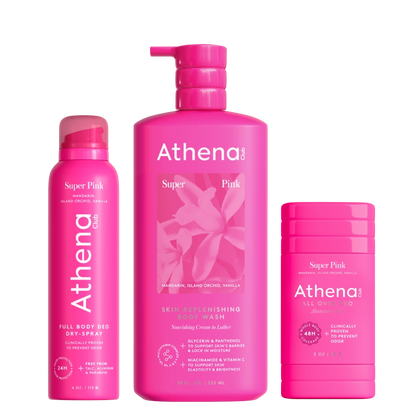
Right after shaving, your skin is at its most vulnerable, so what you do next really matters. Rinse with cool (not hot) water to close your pores and calm any immediate inflammation. Pat—don't rub—your skin dry with a clean towel. Then apply a gentle, fragrance-free moisturizer to help your skin barrier recover. Avoid anything with alcohol, strong fragrances, or irritating ingredients for at least a few hours. If you're dealing with your underarms, wait a bit before applying deodorant—give your skin about 10-15 minutes to settle. Our All Over Deo offers 48-hour aluminum-free protection and is gentle enough for freshly shaved skin once it's had a moment to recover.
Can the products I use daily make darkening worse?
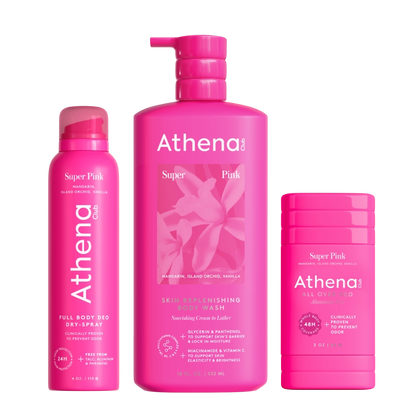
Absolutely. Deodorants with aluminum or harsh chemicals, heavily fragranced body washes, and products with alcohol can all irritate sensitive skin, especially after shaving. Even your laundry detergent or the friction from tight clothing can contribute to chronic irritation in areas like your underarms and bikini line.4 Switch to gentler products—our Skin Replenishing Body Wash is pH-balanced with a vitamin complex that cleanses and nourishes without stripping your skin. For deodorant, look for aluminum-free options. And pay attention to your clothing: breathable fabrics and looser fits in sensitive areas can reduce the constant friction that contributes to darkening.
How long does it take to see improvement once I change my routine?
Honestly? It takes some patience. If you're dealing with post-inflammatory hyperpigmentation from shaving irritation, you might start noticing subtle improvements in 4-6 weeks once you've eliminated the ongoing irritation. But significant lightening can take several months because your skin needs time to naturally shed the darkened cells and regenerate.5 The key is consistency—stick with gentle shaving techniques, use quality tools, keep the area moisturized, and minimize friction. You're essentially giving your skin the chance to heal and stop producing excess melanin. Some darkening might be more stubborn, especially if it's been there for years, but you should see gradual improvement as long as you're not continuing to irritate the area.
Are there any ingredients I should look for to help lighten dark areas?
When it comes to addressing existing hyperpigmentation, certain ingredients have been shown to help. Niacinamide (vitamin B3) is gentle and helps reduce melanin production over time. Vitamin C is a brightening powerhouse that also provides antioxidant protection. Alpha hydroxy acids like glycolic or lactic acid can help gently exfoliate and encourage cell turnover, revealing fresher skin underneath.6 Hyaluronic acid won't lighten skin directly, but it keeps the area hydrated, which supports overall skin health and recovery. Look for these in your body moisturizers or serums, and remember: consistency is more important than concentration. Gentle, regular use beats aggressive treatments that might cause more irritation and make darkening worse.
Quick Answers
- Shaving doesn't directly darken skin, but the irritation and friction it causes can trigger post-inflammatory hyperpigmentation, especially in sensitive areas
- Use a sharp, quality razor with proper shaving lubrication to minimize friction—our Razor Kit and shave products are designed specifically to reduce irritation
- Exfoliate gently 1-2 times a week before shaving to help prevent ingrown hairs and allow for cleaner cuts
- Switch to gentler daily products—harsh deodorants, fragranced body washes, and alcohol-based products can make darkening worse
- Be patient: reducing darkening takes 4-6 weeks to start showing improvement and several months for significant change
- If darkening persists despite improving your routine, consult a dermatologist to rule out underlying conditions
Ready to upgrade your self-care routine? Explore the full Athena Club collection and discover what works for you.
Sources
- American Academy of Dermatology Association. "How to Prevent and Treat Razor Burn." AAD.org
- Davis, E. C., & Callender, V. D. (2010). "Postinflammatory hyperpigmentation: a review of the epidemiology, clinical features, and treatment options in skin of color." Journal of Clinical and Aesthetic Dermatology, 3(7), 20-31.
- Good Housekeeping Institute. "Razor Testing Results." 2025.
- Holloway, K. (2019). "Contact dermatitis and irritant dermatitis in sensitive skin areas." Dermatology Clinics, 37(1), 91-99.
- Rendon, M., et al. (2006). "Treatment of Melasma." Journal of the American Academy of Dermatology, 54(5), S272-S281.
- Draelos, Z. D. (2007). "Skin lightening preparations and the hydroquinone controversy." Dermatologic Therapy, 20(5), 308-313.
- Higgins, S. P., et al. (2013). "Acanthosis nigricans: a practical approach to evaluation and management." Dermatology Online Journal, 14(9).


