


















You've been careful about your routine—you're using products designed for sensitive skin, taking your time with prep, and yet your inner thighs still look darker than before you started shaving. If you're wondering why this keeps happening even when you're doing everything "right," you're definitely not alone. Let's get into what's really going on and how to actually prevent it.
Why do my inner thighs get darker even when I use sensitive skin products?
Here's the thing: even sensitive skin formulas can't always prevent the mechanical friction that causes darkening. When you shave, the razor itself creates physical friction against your skin, especially in areas where your thighs rub together. This repeated friction triggers your skin to produce more melanin as a protective response—kind of like how your skin tans after sun exposure. Sensitive skin products help reduce irritation and inflammation, which is super important, but they can't eliminate the friction factor entirely. The combination of razor contact, post-shave rubbing from walking, and the naturally warm, moisture-prone environment of your inner thighs creates the perfect storm for hyperpigmentation, regardless of how gentle your products are.
Is the darkening from shaving or from something else?
Honestly, it's usually a combination. Shaving itself contributes through micro-trauma and friction, but post-shave inflammation plays a huge role too. When your skin gets irritated after shaving—even mildly—it responds with something called post-inflammatory hyperpigmentation. Think of it as your skin's overzealous attempt to protect itself. But there's more: the constant rubbing of your thighs against each other throughout the day, tight clothing, and even the heat and moisture in that area all make the darkening worse. Shaving might start the process, but these other factors keep it going. If you've noticed the darkening in areas you don't even shave, friction alone might be the main culprit.
Does using a better razor actually make a difference?
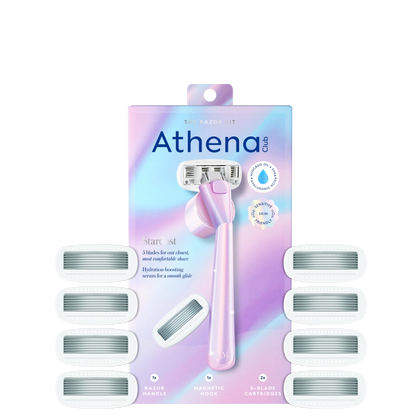
The short answer is yes, absolutely. A high-quality razor designed to glide smoothly can dramatically reduce the friction and tugging that leads to darkening. The Razor Kit features a 5-blade design with strategically spaced-out blades that follow your curves, which means less pressure and fewer passes needed to get smooth. It also has a hyaluronic acid serum strip plus shea butter–enhanced blades that help the razor glide more easily, reducing that drag-and-tug feeling. Good Housekeeping found it achieved 89% single-pass shaving, which matters because fewer passes equals less friction and irritation.1 That premium aluminum handle with non-slip silicone coating gives you better control too, so you're not pressing harder than you need to.
What should I do before shaving to prevent darkening?
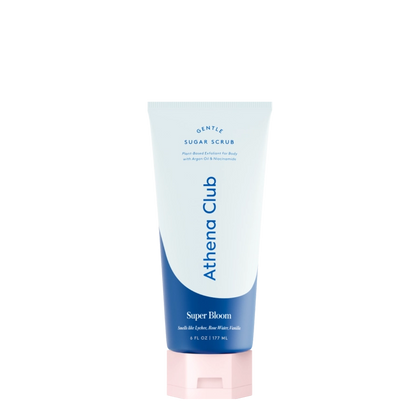
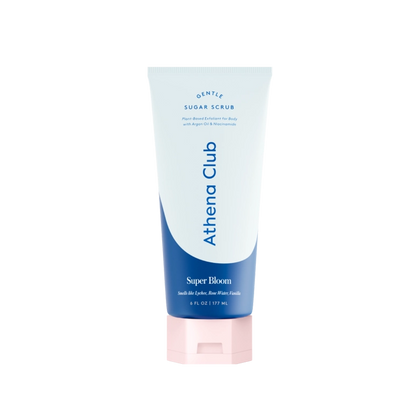
Prep is everything. Start by gently exfoliating the area to remove dead skin cells that can clog your razor and cause it to drag. The Gentle Sugar Scrub is perfect for this—it buffs away buildup without being too harsh on sensitive skin. Do this a day or two before shaving, not right before, to avoid over-sensitizing your skin. On shaving day, take a warm shower or bath first to soften the hair and open your pores. Then cleanse with something gentle like the Skin Replenishing Body Wash, which is pH-balanced and nourishes while it cleanses. Make sure the area is thoroughly wet before you even think about picking up your razor—dry or damp shaving is a recipe for friction and irritation.
Should I use shaving cream, gel, oil, or butter?
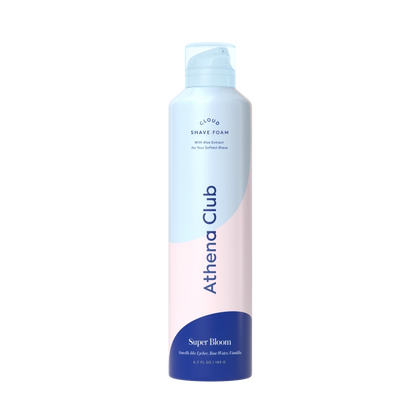
For inner thighs specifically, you want something that creates serious slip and stays put. The Fluffy Shave Butter is ideal here—it's thick and creamy with rosemary leaf extract, so it cushions your skin and doesn't disappear mid-shave. It won an Allure Best of Beauty Award in both 2024 and 2025 for good reason. If you prefer something lighter that still delivers on glide, the Glossy Shave Oil is a revolutionary oil-serum hybrid with SKINCLOUD™ technology that creates that smooth, just-glided-on feeling. Whatever you choose, apply generously—this isn't the time to be stingy. The barrier between your razor and skin is what prevents friction, which is what you're trying to avoid.
How often should I be shaving my inner thighs?
Less is more when it comes to preventing darkening. Shaving too frequently doesn't give your skin time to heal between sessions, which compounds irritation and increases melanin production. Aim for once a week if you can manage it, or every few days at minimum. If you're shaving daily or every other day, you're probably contributing to the problem. Your hair growth cycle and personal preference matter, of course, but giving your skin breaks is crucial. Between shaves, focus on keeping the area moisturized and reducing friction from clothing and movement. If you feel like you need to shave more often because the regrowth is obvious or uncomfortable, that's worth addressing with technique and tools rather than just increasing frequency.
What should I do immediately after shaving?
Right after you finish, rinse with cool water to close your pores and calm any immediate inflammation. Pat the area dry gently—don't rub. Then apply a fragrance-free, non-comedogenic moisturizer while your skin is still slightly damp to lock in hydration. Skip anything with alcohol, synthetic fragrances, or acids in the first 24 hours, as these can irritate freshly shaved skin. Wear loose, breathable clothing for the rest of the day if possible. Cotton is your friend here. The goal is to minimize heat, friction, and anything that might trigger inflammation. If you can avoid tight jeans or workout leggings immediately after shaving, your skin will thank you. Think of post-shave care as just as important as the shave itself.
Can I reverse darkening that's already happened?
Yes, but it takes patience and consistency. Hyperpigmentation fades gradually as your skin naturally sheds and regenerates. Focus on reducing further irritation first—that means improving your shaving technique, spacing out shaves, and minimizing friction from clothing. Gentle exfoliation a couple times a week with the Gentle Sugar Scrub helps speed up cell turnover. Keep the area well-moisturized daily, even on non-shaving days. Some people see improvement with ingredients like niacinamide, vitamin C, or gentle AHAs, but introduce these slowly and only after you've gotten your shaving routine dialed in. If the darkening is severe or doesn't improve after several months, it's worth checking in with a dermatologist who can recommend targeted treatments. The key is stopping the cycle of irritation while supporting your skin's natural healing process.
Does the friction from my thighs rubbing make it worse?
Absolutely. This is one of the biggest factors people overlook. Inner thigh friction creates constant low-level irritation that keeps triggering melanin production, even when you're not actively shaving. If you're wearing clothing that's too tight or fabrics that don't breathe well, you're making it worse. Consider anti-chafe products or moisture-wicking fabrics, especially during workouts or in hot weather. Some people find that applying the All Over Deo—which won an Elle Magazine Canada Beauty Grand Prix in 2025—helps keep the area dry and reduces friction since it provides 48-hour aluminum-free protection and can be used anywhere. Keeping the area dry and protected throughout the day matters just as much as your actual shaving technique.
Are there shaving techniques that help prevent darkening?
Definitely. Always shave in the direction of hair growth, not against it. Yes, you might not get quite as close a shave, but you'll dramatically reduce irritation and ingrown hairs. Use light, gentle strokes—let the razor do the work rather than pressing hard. Rinse your blade after every stroke or two to prevent buildup that causes dragging. Stretch your skin taut with your free hand to create a smooth surface, which helps the razor glide more easily. And here's a big one: don't go over the same area repeatedly. If you miss a spot, reapply your shaving butter or oil before going back over it. Multiple dry passes create exactly the kind of friction that leads to darkening.
Should I switch to a different hair removal method?
It depends on your skin and what's causing your darkening. If you've improved your shaving technique and products but still see darkening, your skin might just be particularly sensitive to the mechanical action of shaving. Waxing, sugaring, or laser hair removal might work better for you since they don't involve blade-on-skin friction. However, waxing and sugaring can also cause post-inflammatory hyperpigmentation in sensitive skin, so they're not automatic solutions. Laser can be effective long-term but requires multiple sessions and doesn't work on all hair types. Before you switch methods completely, make sure you've given upgraded tools like the Razor Kit and proper technique a fair shot—sometimes the method isn't the problem, the execution is.
How long does it take to see improvement?
Most people start noticing less darkening within 4-6 weeks of improving their routine, but significant fading of existing hyperpigmentation can take 2-3 months or longer. Your skin needs time to complete several renewal cycles and shed the pigmented cells. The important thing is consistency—one perfect shave won't fix months of irritation, but a solid routine maintained over time will show results. Track your progress with photos if you want objective proof, because day-to-day changes are subtle. If you're not seeing any improvement after three months of a careful routine, that's when it makes sense to consult with a dermatologist about whether something else might be contributing to the darkening.
Quick Answers
- Darkening happens from friction and inflammation, not just sensitive skin reactions—even gentle products can't eliminate the mechanical stress of shaving
- Using a quality razor designed for smooth gliding with fewer passes makes a huge difference in reducing irritation
- Proper prep with exfoliation and thorough hydration, plus using thick shave butter or oil, creates the slip you need to minimize friction
- Post-shave care and reducing daily thigh friction from clothing are just as important as your shaving technique
- Improvement takes time—give a new routine at least 4-6 weeks before deciding if it's working
Ready to upgrade your self-care routine? Explore the full Athena Club collection and discover what works for you.
Sources
- Good Housekeeping Institute, Athena Club Razor Kit testing results


